Locations:





 Search
Facts on nighttime pain from a pediatrician
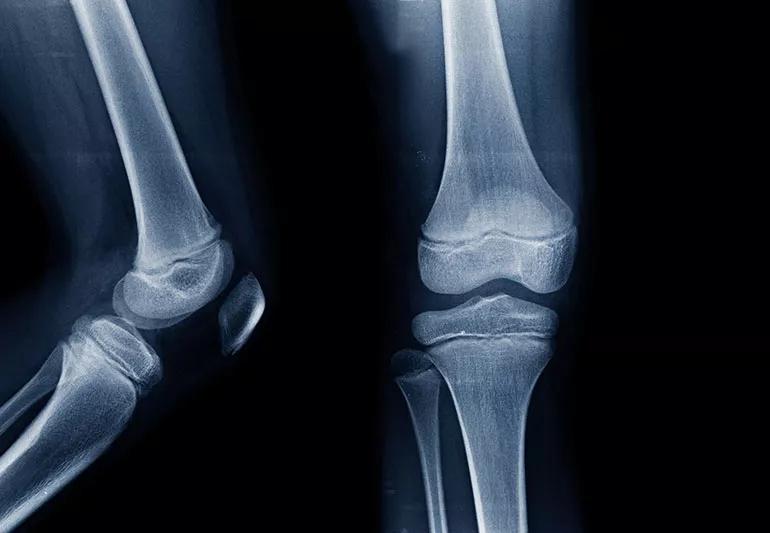
Image content: This image is available to view online.
View image online (https://assets.clevelandclinic.org/transform/67779dd7-80be-46e0-85ad-1df087071232/ChildGrowingPains-1013707788-770x533-1_jpg)
x-ray of joint
If you and your child are losing sleep over growing pains, you may wonder why they happen and how to help your little one.
Advertisement
Cleveland Clinic is a non-profit academic medical center. Advertising on our site helps support our mission. We do not endorse non-Cleveland Clinic products or services. Policy
Bradley Weinberger, MD, says growing pains are one of the most common concerns he hears about as a pediatrician and often the primary reason why parents schedule an office visit for their children. Legs and knees are most often the areas that ache, though growing pains can affect arms too.
Typically, parents voice these concerns during well child appointments, although occasionally parents will schedule office visits separately.
The odd thing is, what we call growing pains aren’t actually related to growth. But they do affect kids as they’re growing — generally affecting preschoolers and school-aged children.
People used to believe that growing pains flared up when a child’s bones grew at a faster rate than their tendons. Although this theory has been disproven, doctors still don’t know what causes growing pains.
Ironically, growing pains don’t occur during periods of more rapid growth. Nor do they always occur at growth locations. “They may be related to fatigue, postural differences, changes in physical activity and psychological stress — but we don’t know for sure,” says Weinberger.
What we do know is this:
Advertisement
Lab studies and X-rays won’t help your doctor diagnose growing pains, although imaging can help rule out other, more serious conditions.
“We help diagnose growing pains after an office visit and discussion with the child and parent,” Dr. Weinberger explains.
The intensity and frequency of growing pains varies. They can range from feeling like a minor ache to an intense muscle cramp. But there are common factors you can expect to see:
“They usually occur in the legs and last anywhere from five to 20 minutes,” Dr. Weinberger says. “There could be multiple nights between episodes or they could happen several nights in a row.”
There is no “typical” case of growing pains. But there are some symptoms you won’t observe with this diagnosis, Dr. Weinberger says. Another condition is likely at work if:
If you notice any of these signs, you should follow up with your pediatrician so your child can be evaluated.
When your child wakes up in pain, it’s tempting to reach for a children’s pain reliever. But Dr. Weinberger advises caution with pain relievers. “In most cases, pain medications won’t take effect quickly enough to help when growing pains strike,” he says.
He notes, however, that ibuprofen and other over-the-counter pain medications may help if your child often has episodes several nights in a row. In that case, your doctor may recommend giving a dose of pain reliever before bed after the first episode.
You may notice that your child is grumpier or more fatigued than usual. Or sometimes the pain may strike after your child has a particularly active day.
When growing pains hit out of the blue, comforting your child is often the best treatment.
Dr. Weinberger suggests soothing your child by gently massaging or rubbing the arms or legs. This often helps ease the pain, and it is calming and can help minimize the sleep disruption for you both.
If your child has a painful night, you may notice some grumpiness in the morning due to lost sleep. However, there’s no need to hold your child back from their normal activities.
Advertisement
“Some parents may see more episodes of growing pains when their child is really active,” Dr. Weinberger says. But he doesn’t recommend restricting activities to prevent growing pains. You can’t head them off by limiting your child’s activities — and you want your child to stay active for good health, he says.
Advertisement

Sign up for our Health Essentials emails for expert guidance on nutrition, fitness, sleep, skin care and more.
Learn more about our editorial process.
Advertisement
Most males usually stop growing by age 18, but some may continue growing into their 20s

Globally, the average height for men ranges from 5 feet 3 inches to 6 feet 0.4 inches, but varies based on a variety of factors

In the U.S., the average height for women is 5 feet 3.5 inches, and it ranges from 4 feet 11 inches to 5 feet 7 inches around the world
Treatments are designed to help with growth hormone deficiency, which can affect your child’s height

You can treat these short-lived symptoms with a warm bath or massage

Get the scoop from a yoga pro

Seek medical care if your little one is working hard to breathe or shows signs of dehydration

ADHD can present differently from child to child and can change with age

Recovery takes about 12 weeks, but you’ll likely feel a lot better by six weeks after surgery

Both respiratory illnesses cause coughing, but croup brings a distinctive ‘barking’ sound
If you grind your teeth at night, a mouthguard might help relieve jaw discomfort











