Locations:





 Search
In the battle of the roughage, which one reigns supreme?

Image content: This image is available to view online.
View image online (https://assets.clevelandclinic.org/transform/699b9398-171e-4ac6-9135-37c46c5a3ebb/fiberFoods-105493090-770x533-1_jpg)
soup with beans carrots and other ingredients providing fiber
It’s best known for keeping your internal plumbing clear, but did you know that fiber actually has health benefits that go beyond helping you stay regular?
Advertisement
Cleveland Clinic is a non-profit academic medical center. Advertising on our site helps support our mission. We do not endorse non-Cleveland Clinic products or services. Policy
“Fiber is an important nutrient that comes from plants. It’s sometimes called roughage or bulk,” says registered dietitian Gillian Culbertson, RD, LD.
Fiber comes in two forms: soluble and insoluble. Getting the right amount of both can aid digestion and may even lower your risk for certain chronic diseases.
When you eat, your body breaks food down into nutrients it can use. But it can’t digest or absorb fiber, which is actually a good thing. Instead, fiber stays mostly intact for its journey through your body.
Soluble fiber dissolves in water and other body fluids. When it does, it forms a gel-like material as it passes through. Once it makes it to the colon, it feeds your good gut bacteria. Healthy gut bacteria are linked to a host of health benefits, including some protection against obesity and its related conditions, such as diabetes.
Insoluble fiber doesn’t dissolve in fluids. Instead, it absorbs them and sticks to other materials to form stool. This process leads to softer, bulkier — and more regular — stools.
Both kinds of fiber are essential for your health. Fiber’s benefits include:
Advertisement
The gel-like substance that soluble fiber creates in your body:
Insoluble fiber:
Good sources of soluble fiber include:
“Reach for these foods when you need a snack, or add them to soups, salads and other meals,” Culbertson suggests.
Good sources of insoluble fiber include:
“Since most plants have both forms of fiber, you get more bang for your buck when you eat a diet rich in vegetables,” Culbertson says. “Breakfast can be a great time to get insoluble fiber through high-fiber cereals and oatmeal. You can also use whole-wheat flour instead of white flour in some recipes.”
There’s no need to track soluble vs. insoluble fiber intake — instead, focus on the total amount of fiber you eat daily. Here are the recommended amounts:
Check nutrition labels to track how much fiber you’re eating. And if you’re one of the many Americans who don’t get enough, start slowly and work your way up, Culbertson recommends. Too much fiber too soon can lead to gas pain and bloating.
“Eating a diet rich in a variety of whole foods, including fruits, vegetables and legumes, is a great place to start,” Culbertson says. “And while you may occasionally benefit from a fiber supplement, food is always going to be the best source.”
Advertisement

Sign up for our Health Essentials emails for expert guidance on nutrition, fitness, sleep, skin care and more.
Learn more about our editorial process.
Advertisement
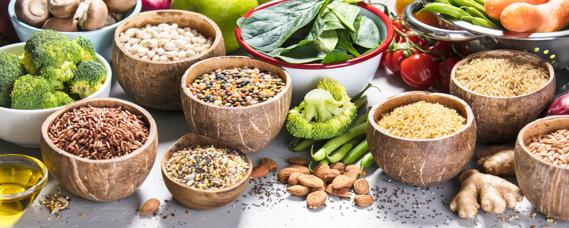
Eating more legumes, fruits, vegetables, nuts and whole grains can help you meet your daily fiber goals

From protein to phytoestrogens, soy milk offers health benefits that many plant milks don’t

This fruit (not veggie!) is good for your cholesterol, blood sugar, gut and bones
This amino acid is touted for relaxation and mental clarity, but current research remains inconclusive
This nutrient-rich fruit offers a surprisingly long list of potential health benefits, like lowering blood sugar and boosting brain health
Packed with vitamins and nutrients, watermelon can be enjoyed all year ’round

With a sweet, tangy flavor, this tropical fruit is versatile, nutrient-rich and full of antioxidants
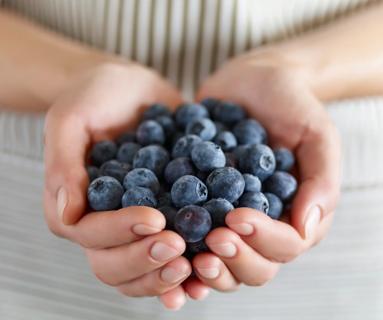
These versatile little fruits are full of powerful antioxidants that can help fight cell damage, manage cholesterol, boost body functions and more

Simplifying choices, a reassuring attitude and avoiding information overload can help you overcome indecision

Nicotine and other lingering chemicals from smoking can harm people who don’t smoke, including children

The research is mixed, but experts agree: The risks outweigh the benefits











