Locations:





In general, you want to take this ‘sunshine vitamin’ with a meal or snack that contains healthy fats

Image content: This image is available to view online.
View image online (https://assets.clevelandclinic.org/transform/db489b78-8cf8-404a-9c84-25c3cb12261f/breakfast-and-vitamins-1404179524-r)
Hand stirring beverage in a coffee cup, with a supplement bottle and breakfast foods around a
If you’re pregnant or have a vitamin D deficiency, you’ve likely been told to boost your vitamin D levels with the help of specific foods, supplements and more time in the sun. But does this “sunshine vitamin” have more benefits when you take it during the day? Or does it work better at night?
Advertisement
Cleveland Clinic is a non-profit academic medical center. Advertising on our site helps support our mission. We do not endorse non-Cleveland Clinic products or services. Policy
Rheumatologist Chad Deal, MD, explains when you should take vitamin D and why it’s important to take a food-first approach before starting a supplement.
There’s no single best time to take vitamin D. Some people prefer to take it in the morning. Others prefer to take it at night. Understanding how vitamin D works can help you decide when you should take it for the greatest benefit.
Vitamin D is fat-soluble, which means your body needs fat and oil to dissolve it. You absorb vitamin D more easily when you take it with a full meal. As breakfast is so often the largest (and most important) meal of the day, the morning is a prime time to take the sunshine vitamin. Plus, vitamin D levels tend to be highest during the day because of our exposure to the sun. So, taking it in the morning sets you up for further success.
“Put your vitamin D bottle on the breakfast table as a sure way that you won’t forget to take the medication,” recommends Dr. Deal. “It’ll also help make sure you take it with a meal.”
Some may prefer to take it in the evening, but research is mixed on its effectiveness. A 2021 review found that taking vitamin D in the evening may result in a lower production of melatonin (a hormone that helps you fall asleep and regulates your sleep-wake cycle). Other studies suggest it can improve sleep. More research is needed to know the exact effects vitamin D has when it’s taken later in the day.
Advertisement
“People often take their nighttime meds before getting in bed instead of taking them with a meal,” notes Dr. Deal. “This might limit the absorption of vitamin D.”
How well vitamin D supplements work (and how much you need) depends on the following factors:
Ultimately, it’s up to you and your healthcare provider to decide when you should take vitamin D. They can guide you based on your health status, medications and any underlying conditions you may have.
And it’s always best to speak with a doctor before taking any supplement, as too much vitamin D can be toxic.
Advertisement

Sign up for our Health Essentials emails for expert guidance on nutrition, fitness, sleep, skin care and more.
Learn more about our editorial process.
Advertisement

Sunlight helps your body produce vitamin D, but be mindful of your sun exposure
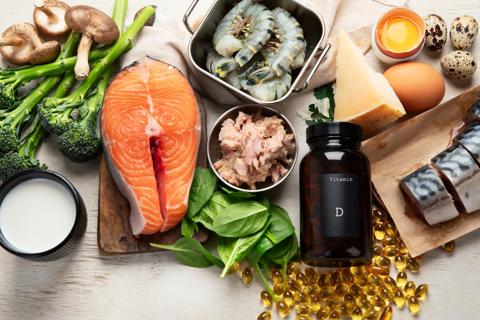
The ‘sunshine vitamin’ is found naturally in some fish and is added to other foods
Vitamin D is an umbrella term for both D2 and D3 — both help keep your bones and immune system strong
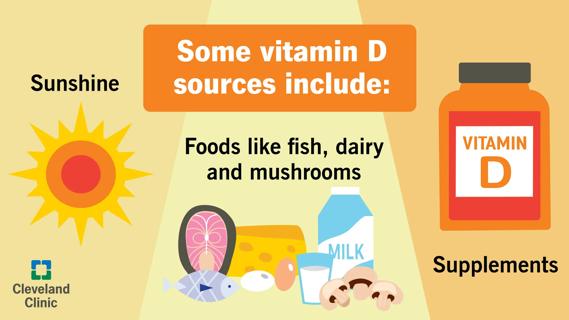
The benefits of vitamin D include stronger bones, a hardier immune system and better overall health
Research shows that high doses of vitamin D do nothing to lower your cardiovascular risk
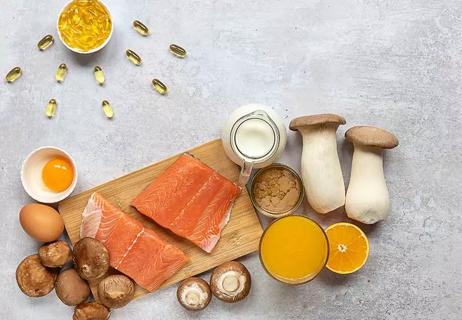
If you’ve been diagnosed with breast cancer, having a normal range of vitamin D can help
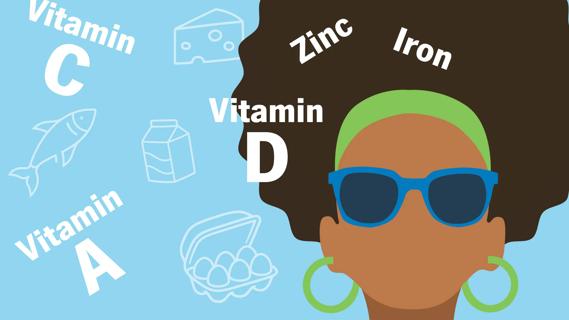
Iron, biotin and omega-3 fatty acids can help boost hair growth
Cold, wet conditions can weaken your immune system, which makes it easier for illnesses and infections to spread

Managing your weight through physical activity may lower your chances of getting this common cancer

It typically starts in October and winds down in early spring, with cases at their highest in the middle of winter

Anxiety disorders, health conditions and past trauma can make driving nerve-wracking — help is available
 Search










