Locations:





Swallowing too much air, certain foods and drinks, and digestive conditions can all make you belch more

Image content: This image is available to view online.
View image online (https://assets.clevelandclinic.org/transform/92b5b933-b08b-4906-8005-bea8a6935003/burping-1411844684)
Person sitting in chair with hand on tummy and hand on mouth, burping
Ever let out a surprise burp and wonder: Wow! Where did that come from?
Advertisement
Cleveland Clinic is a non-profit academic medical center. Advertising on our site helps support our mission. We do not endorse non-Cleveland Clinic products or services. Policy
Burping — or belching, if you prefer the more clinical term — is your body’s way of getting rid of extra gas. An occasional belch is completely normal, too. It happens to all of us from time to time.
But if burping is a regular part of your daily soundtrack, you’re probably wondering why. We asked gastroenterologist Alison Schneider, MD, to explain what might be behind all that burping and how to tone it down.
It’s natural for some gas to build up in your belly after a meal. It’s a byproduct of digestion and swallowing air while eating and drinking. Dr. Schneider says burping up to four times after a meal is normal.
If you’re belching far more than that, the following reasons may explain why.
You naturally swallow some air whenever you eat or drink. But if you gulp down the food that’s on your plate, you’ll probably inhale a lot of extra air with it. The same holds true if you chug a drink.
Since air that goes down often comes back up, that can lead to more burping, explains Dr. Schneider.
The bubbles in soda, sparkling water and beer are made of gas, so it makes sense that fizzy drinks can make you burp. When you drink them, that gas builds up in your stomach. Eventually, your body releases it as a burp.
Advertisement
“Carbonated beverages are one of the most common reasons people burp,” says Dr. Schneider.
Repeatedly chewing and chomping on gum can make you ingest extra air and prime the pump for steady burping, says Dr. Schneider. Sucking on hard candies can bring similar results.
A straw can be a convenient and fun way to sip drinks, but it can also pipe extra air into your digestive tract to bring on belching. Blame the negative pressure created in your mouth that pulls in more air.
Puffing on a cigarette can also increase the amount of air you swallow, which can bring on more belching. Of course, a little burping is far from the biggest health concern associated with smoking or vaping.
If you smoke, talk with a healthcare provider about resources that can help you quit.
Sometimes, what’s on your plate can contribute to extra gas and more burping. While personal triggers may differ, Dr. Schneider says some common foods associated with excess gas and belching include:
When you’re feeling stressed or anxious, you may swallow more air than usual without realizing it, especially if you’re breathing quickly, sighing often or talking fast. That extra air can build up in your stomach and come back up as a burp.
Stress can also make digestive symptoms feel more noticeable, which may make burping seem worse.
Burping can sometimes be a symptom of an underlying digestive condition. Acid reflux, for example, happens when stomach acid flows backward into your esophagus. Burping or belching can occur along with heartburn.
Other conditions associated with excessive burping include:
Want to put a lid on all that belching? Start by paying attention to habits tied to eating and drinking. Dr. Schneider recommends:
And if you’re burping frequently and regularly experiencing other digestive issues, don’t just wave it off, advises Dr. Schneider. Talk with a healthcare provider about your symptoms.
“If burping or belching too much is interfering with your daily life or if pain or other symptoms accompany this symptom, this may indicate an underlying illness requiring treatment,” she says.
Advertisement

Sign up for our Health Essentials emails for expert guidance on nutrition, fitness, sleep, skin care and more.
Learn more about our editorial process.
Advertisement
The food you eat, digestive system issues, medications and other factors could all fuel flatulence
Frequent burping can be many things — but likely not cancer

What, when and how much you eat are just a few factors that can impact nighttime gas levels

The inability to burp can cause farting, stomach pain and nausea
When it can’t pass down south, gas can definitely travel — and get trapped — up north
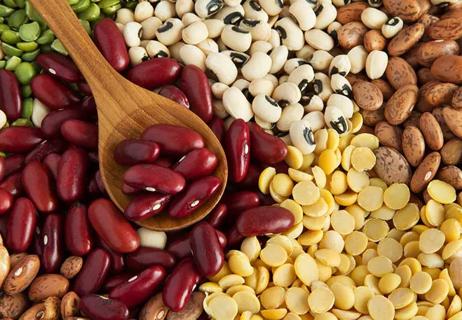
Fiber gets credit, but don’t let the byproduct keep you from enjoying beans

Certain foods, medications or even illness could be behind the stink

Try to burp your baby mid-feed and after they finish eating — but don’t sweat it if they don’t burp

Managing your weight through physical activity may lower your chances of getting this common cancer

It typically starts in October and winds down in early spring, with cases at their highest in the middle of winter

Anxiety disorders, health conditions and past trauma can make driving nerve-wracking — help is available
 Search










