Locations:





See an eye specialist if your pain isn’t going away and comes with other symptoms
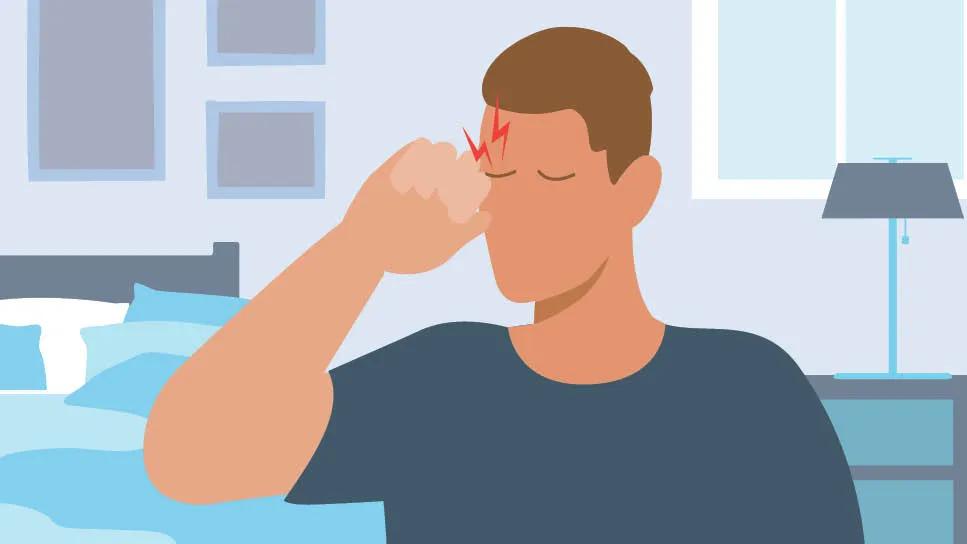
Image content: This image is available to view online.
View image online (https://assets.clevelandclinic.org/transform/0612da33-6860-496f-9613-bf2fb988bd58/eye-hurt-morning-2158081649)
Person in bedroom, rubbing their eyes
You wake up with a throbbing, burning or pin-pricking sensation in your eyes. Maybe you have a headache, too, or it could even be hard to see at first. If you wake up with eye pain, how concerned should you be?
Advertisement
Cleveland Clinic is a non-profit academic medical center. Advertising on our site helps support our mission. We do not endorse non-Cleveland Clinic products or services. Policy
There are several reasons why you might wake up with eye pain in the morning. Factors that can help narrow down the cause include:
Optometrist Wes Immler, OD, shares some of the most common causes for waking up with eye pain and which symptoms are most troubling.
Dr. Immler says that dry eyes is the most common cause of eye pain in the morning, and it feels like a burning, gritty or sandy sensation. The reason? Dryness is more common at night, which causes you to wake up with eye pain and discomfort.
“There are many causes of dry eye, including lower humidity and dry air in the winter,” he continues. “If you sleep with a ceiling fan on, that can also lead to tear evaporation or dryness and eye pain in the morning.”
Allergies can cause eye pain all year long. The tissues around your eye can swell when you come into contact with allergens, like dust and pollen, leading to pain and discomfort.
“Allergies are a common cause of eye pain, especially if you’re allergic to anything in the house like dust mites or pet dander,” says Dr. Immler. “And if you’re allergic to outdoor allergens, like ragweed, it’s best to wash your face — including around your eyes — before you go to sleep. Otherwise, if you fall asleep with allergens on your skin, you may wake up with irritated eyes.”
Advertisement
When you spend a lot of time in front of a screen — like your computer, phone or a tablet — you tend to blink your eyes less. That leads to more eye strain, causing your eyes to dry out faster with pain and discomfort.
“If you’re someone who watches TV before bed and you’re dealing with eye strain all day, that can lead to consistent eye pain, even in the morning,” says Dr. Immler.
Pink eye can be viral, bacterial or allergic — and all three types can lead to eye pain and redness. Eye pain is sometimes the result of inflammation in your conjunctiva, the clear covering that protects the white part of your eye and lines the inside of your eyelids.
With blepharitis, your eyelids themselves become inflamed and swollen because of clogged oil glands, a skin condition or infection.
“With blepharitis, you get crusting or debris that builds up in your eyelashes and blocks your oil glands,” explains Dr. Immler. “This leads to burning eye pain, discomfort and redness.”
Nocturnal lagophthalmos is a condition where you sleep with one or both eyes open, often caused by nerve or eyelid damage. When your eyes aren’t protected, your tears evaporate overnight. And that leads to eye pain in the morning.
“When you’re sleeping and your eyes aren’t completely closed, your cornea is exposed all night,” explains Dr. Immler. “It can lead to things like corneal abrasions. And the pain you feel can be more severe. It often feels like you have something in your eye.”
Recurrent cornea erosion can happen after an eye injury if your cornea doesn’t heal as well as it should. As they’re healing, surface cells sometimes don’t firmly attach to the cornea.
“When you’re sleeping, your eyelid can sometimes interact with those newly healed cells and stick to the surface of your eye,” says Dr. Immler. “When you wake up, your eyelid can pull off some of those cells and recreate the corneal abrasion, so it feels like you’ve scratched your eye or you have more significant pain.”
You can experience eye pain in the morning if you fall asleep while wearing contacts.
“When you sleep while wearing contacts, you don’t get as much oxygen on the surface of your eye, so your eyes can become red and uncomfortable when you wake up,” explains Dr. Immler. “Sleeping with lenses can also lead to eye infections, which can sometimes be quite serious and very painful.”
Contacts can also contribute to eye pain when you wake up if you:
Advertisement
Eye infections can cause pain in the morning because of heightened inflammation from your body’s immune system response to the infection. Plus, eye infections are a leading cause of corneal ulcers, a type of open sore on your cornea. If they’re not treated, they lead to scarring, light sensitivity and vision loss.
You might experience eye pain in the morning if you’re exposed to:
“If you don’t wash your face before bed, you can carry these particles with you, where they can stick to clothing, bed sheets and pillows,” warns Dr. Immler. “That can irritate your eyes and eyelids.”
Different causes require different treatments — and that’s why you should call a healthcare provider if you experience any new or serious symptoms, like:
“If you’re having symptoms that affect other areas of your body, you should be seen right away, especially if you’re having changes in your vision,” states Dr. Immler. “The longer vision changes go untreated, the higher your risk of permanent eye damage.”
Advertisement
Advertisement

Sign up for our Health Essentials emails for expert guidance on nutrition, fitness, sleep, skin care and more.
Learn more about our editorial process.
Advertisement
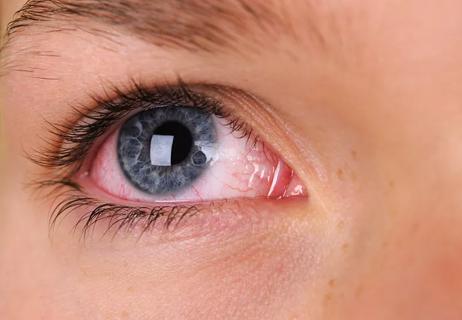
Red eyes can happen for many reasons, from allergies and dry eye to pink eye and other infections
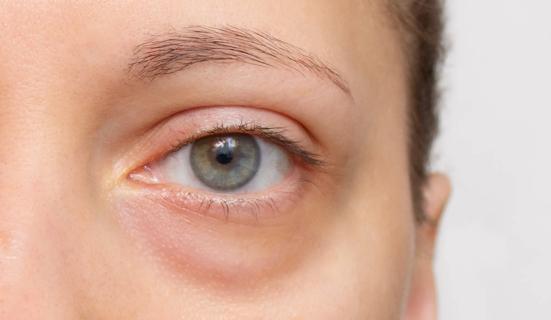
Applying a cold compress, using antihistamine eye drops and limiting salt can help reduce puffiness
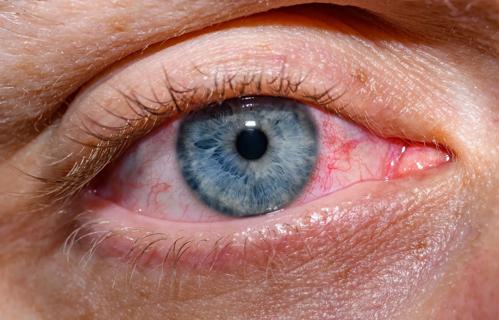
Pink eye tends to start in one eye before spreading to the other, while allergies usually affect both eyes at the same time
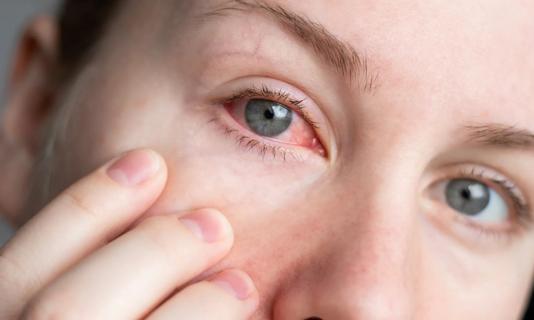
Early morning red eyes can be a sign of several conditions, like dry eyes, allergies and eye strain
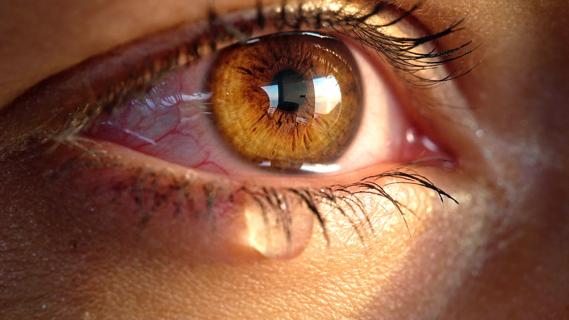
Your eyes could be burning because of allergies, elevated salt levels, dry eyes and more

One is a raised yellow spot on your eye, the other is a fleshy growth
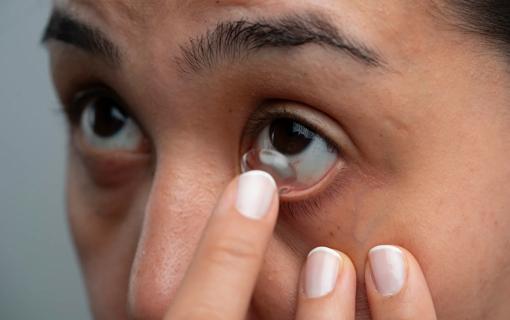
When worn incorrectly, contacts can cause or worsen dry eye symptoms
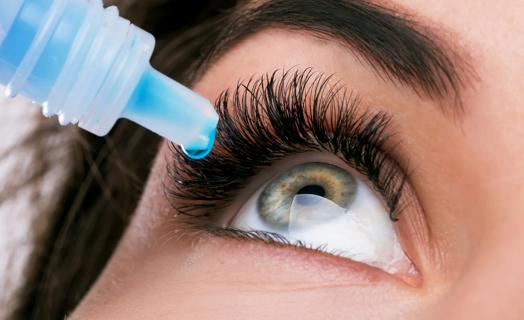
Preservative-free lubricating drops, a humidifier, sunglasses and preventive medications can help with dry eyes, no matter the season

Hormonal changes, a slower metabolism and muscle loss can make weight gain more common around menopause — healthy habits can help you manage it

Life-threatening complications include sepsis, stroke, pneumonia and more

Fruity-smelling breath can happen when your body burns fat for energy, and in some cases, can signal a medical emergency
 Search










