Locations:





 Search
Helping others can boost your heart and mind

We all know that giving helps others. You can make a big difference in this world of ours by offering time and support to friends and family, volunteering for organizations or donating to charities.
Advertisement
Cleveland Clinic is a non-profit academic medical center. Advertising on our site helps support our mission. We do not endorse non-Cleveland Clinic products or services. Policy
But did you know that the warm and fuzzy feeling you get from helping others is actually good for you, too?
That’s not just some “good vibe” theory, either. There’s science behind it. Research shows that giving can boost your physical and mental health in numerous ways. Let’s find out more with psychologist Susan Albers, PsyD.
A smile isn’t the only reaction that comes from gift-giving. There’s also a chemical response that takes place in your body in response to … well, just doing something nice.
As you help someone or give a gift, your brain secretes “feel good” chemicals such as:
“When we do things for other people, it makes us feel much more engaged and joyful,” says Dr. Albers. “That’s good for our health and our happiness.”
Physical and mental health benefits associated with giving or serving can include:
Generosity truly is good for your heart, says Dr. Albers. Researchers found that giving to others can lower your blood pressure and protect your ticker. (The effect, by the way, is similar to the positive results brought by a healthy diet and exercise.)
Advertisement
The secret to living longer may be giving more of yourself. Studies show that people who volunteer tend to live longer than those who don’t.
Want to melt away stress? The best solution may be to help someone else. Gift-giving or volunteering can reduce your levels of cortisol, the stress hormone that can make you feel overwhelmed or anxious.
Giving can stimulate your brain’s mesolimbic pathway, or reward center, while releasing endorphins. That can lead to a “helper’s high” that boosts self-esteem, elevates happiness and combats feelings of depression.
Let’s start with this fact: It’s not about money. “Some of the best gifts don’t cost anything,” notes Dr. Albers. “In fact, acts of service often reflect the most thought and care and can be more meaningful than anything you purchase.”
“Act of service” gifts include anything that helps someone out and makes their life just a bit easier. Examples include:
Think about tapping into your creative talents for meaningful gifts, too. Maybe that means drawing a portrait for someone or putting together a journal or album highlighting special memories.
Another bonus of a homemade gift? They’re usually budget-friendly, a big plus given the stress that can come with personal finances.
“Using your natural skills can lead to gifts that are heartfelt, memorable and much more meaningful than anything you find in a store,” says Dr. Albers. “It’ll make the recipient feel very special.”
And odds are you’ll feel pretty good, too.
Advertisement
Learn more about our editorial process.
Advertisement

It’s common to experience long-term emotional effects, but you don’t have to cope alone — support and treatment can help
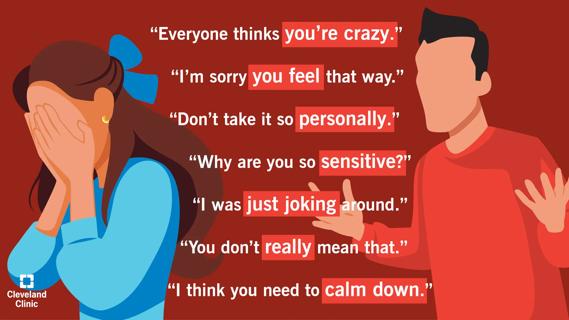
This form of mental manipulation makes you doubt your decisions, mistrust your judgment and question reality
Couples counseling and communication are key to addressing built-up issues and changing needs

Major life events and trying times can trigger reactive depression symptoms, like prolonged sadness, irritability and hopelessness
A glass child is the sibling of someone with special needs — often seen as the easy one, but carrying invisible burdens
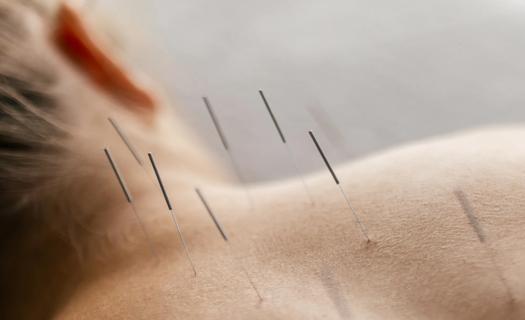
This evidence-based practice is used to help manage pain, relieve menopause symptoms and boost your spirits

Yes, new fathers can experience mood changes after bringing baby home

This traditional Chinese medicine practice may boost mental health, immune function, balance and more
If you’re feeling short of breath, sleep can be tough — propping yourself up or sleeping on your side may help

If you fear the unknown or find yourself needing reassurance often, you may identify with this attachment style

If you’re looking to boost your gut health, it’s better to get fiber from whole foods











