Locations:





The full moon, bulldogs, dreaming in color and more
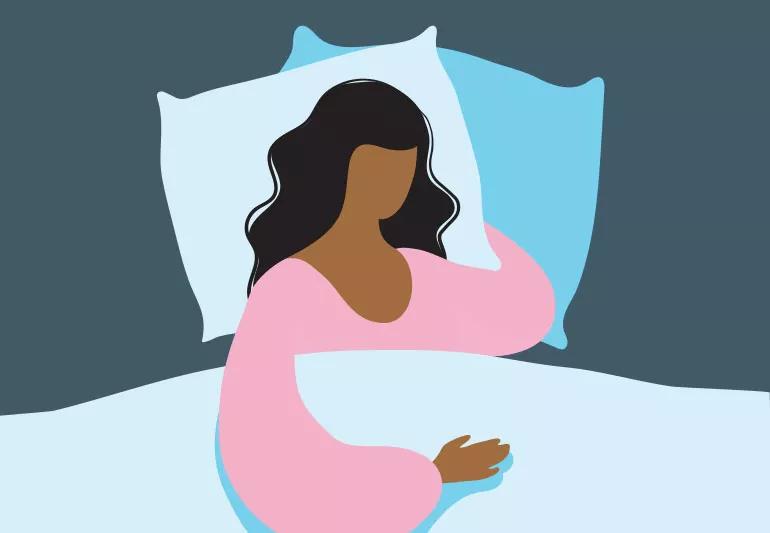
Image content: This image is available to view online.
View image online (https://assets.clevelandclinic.org/transform/0368a2f7-a58b-4126-9294-d0b915db4b4f/sleepFacts-1204226689-770x533-1_jpg)
woman sleeping in bed
We spend about one-third of our time on planet Earth asleep. Until 25 years ago, scientists knew little about this nighttime habit of ours.
Advertisement
Cleveland Clinic is a non-profit academic medical center. Advertising on our site helps support our mission. We do not endorse non-Cleveland Clinic products or services. Policy
Below, sleep disorders specialist Michelle Drerup, PsyD, shares some curious and fantastic facts about sleep.
Advertisement
Advertisement

Sign up for our Health Essentials emails for expert guidance on nutrition, fitness, sleep, skin care and more.
Learn more about our editorial process.
Advertisement

Nocturnal emissions are a natural part of growing up and nothing to worry about

There’s limited research on whether the supplement can help you snooze — adopting proven sleep habits may be a better place to start

Head to bed in a bra to reduce breast pain, nipple irritation and stretch marks

These brief episodes of sleep last only seconds, but they can have serious consequences when they happen at the wrong time

Your chronotype reflects when your body naturally wants to sleep and wake — and why your energy peaks when it does

Putting on socks at night can help regulate your core body temperature to bring on ZZZs

The term refers to how long it takes you to fall asleep, which can be a key factor in overall sleep quality

A little ‘prep work’ before going to bed can help you get the quality sleep your body needs

Managing your weight through physical activity may lower your chances of getting this common cancer
It typically starts in October and winds down in early spring, with cases at their highest in the middle of winter

Anxiety disorders, health conditions and past trauma can make driving nerve-wracking — help is available
 Search










