Locations:





See where the deadliest skin cancer can develop
Think melanoma strikes only the typical sun-exposed areas of your skin? This deadly cancer can surface in surprising places, says dermatologist Christine Poblete-Lopez, MD:
Advertisement
Cleveland Clinic is a non-profit academic medical center. Advertising on our site helps support our mission. We do not endorse non-Cleveland Clinic products or services. Policy
Melanoma arises from melanocytes (cells that give us pigment). They are everywhere you’ve got skin. So, although it’s rare, melanoma can develop in your belly button, armpits and groin.

Image content: This image is available to view online.
View image online (https://assets.clevelandclinic.org/transform/a04d7285-5cfb-4933-957a-2ab7d2e9ed0d/Navel-Melanoma-150x150_jpg)
Yes, you also have melanocytes in your nail beds, feet and hands. Melanomas in these areas are more aggressive, likely due to a delay in diagnosis. They are more common among Asians and African-Americans.

Image content: This image is available to view online.
View image online (https://assets.clevelandclinic.org/transform/a1283a0c-a4ac-4843-baa6-5aa9c029e344/Nail-Melanoma-150x150_jpg)
Melanocytes also inhabit the colored iris of your eye, and you can develop melanoma there. When anyone develops melanoma, routine eye checks are as vital as skin checks.

Image content: This image is available to view online.
View image online (https://assets.clevelandclinic.org/transform/7dfaa07b-014e-40f2-b540-574d4dca1bf0/Eye-Melanoma-150x150_jpg)
It’s rare, but melanomas can develop in your body’s mucous membranes. These line your mouth, throat, genitalia, urinary tract, anus and rectum.

Image content: This image is available to view online.
View image online (https://assets.clevelandclinic.org/transform/1ca9473b-a8f6-4c40-aacb-afa28ec7624b/Oral-Melanoma-150x150_jpg)
A full head of hair helps protect your scalp from the sun. But once hair starts to thin, melanoma can develop there, especially on the crown of the head.
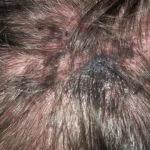
Image content: This image is available to view online.
View image online (https://assets.clevelandclinic.org/transform/84fe0d2f-bf50-4e38-a875-e4d11be41811/Scalp-Melanoma-150x150_jpg)
You can’t blame melanoma entirely on the sun’s ultraviolet rays. Genetics also play a role. Multiple sunburns and exposure to tanning beds also increase your risk.

Image content: This image is available to view online.
View image online (https://assets.clevelandclinic.org/transform/73dd47eb-7c89-48e0-acd7-641e471e163a/tanning-bed-150x150_jpg)
Apply sunscreen daily, just like you brush your teeth. Reapply it when going outdoors. For full protection, you should also wear sun-protective clothing, seek shade, and avoid direct sun between 10 a.m. and 3 p.m. (You can get vitamin D from supplements.)
Advertisement

Image content: This image is available to view online.
View image online (https://assets.clevelandclinic.org/transform/111c7137-cfa1-4aac-8321-5b159b76d369/sunscreen-lotion-150x150_jpg)
Advertisement

Sign up for our Health Essentials emails for expert guidance on nutrition, fitness, sleep, skin care and more.
Learn more about our editorial process.
Advertisement

The likelihood of melanoma returning varies by stage, but you can take steps to help prevent recurrence by wearing sunscreen and monitoring your moles
Skin cancer can sometimes itch, but it’s not usually the most common symptom — a persistent itch still warrants a visit to a healthcare provider

Sunlight helps your body produce vitamin D, but be mindful of your sun exposure
The size, shape and color of moles may offer clues that point to melanoma
Scalp cancers can occur because of long-term sun exposure

Wear sun-protective clothing, apply sunscreen every day and avoid tanning to help reduce your risk

Rates of early-onset breast, colorectal and GI cancers are increasing, but preventive care and a healthy lifestyle can help reduce your risk

Both can protect you from the sun’s rays, but they do it in different ways

Rapid weight loss can cause loose skin, facial volume loss and body contour changes

Swallowing too much air, certain foods and drinks, and digestive conditions can all make you belch more
From poor hand hygiene and ventilation issues to contaminated food, many factors can make infectious diseases spread quickly
 Search










