Locations:





Get ready to squeeze your glutes, lift your quads and reverse some crunches
Whether you’re recovering from a surgery or just have a difficult time getting up in the morning, bed exercises can help you get back on your feet by increasing your strength and flexibility.
Advertisement
Cleveland Clinic is a non-profit academic medical center. Advertising on our site helps support our mission. We do not endorse non-Cleveland Clinic products or services. Policy
Sports medicine specialist Michael Dakkak, DO, shares the benefits of bed exercises and how to get started without causing injury.
Exercises and dynamic movements can help you get stronger, even if you’re spending a ton of time in bed.
“You’ll want to start off with pretty basic exercises,” says Dr. Dakkak. “You can add resistance or try more advanced positions as you gain strength.”
Here are eight bed exercises Dr. Dakkak recommends.

Image content: This image is available to view online.
View image online (https://assets.clevelandclinic.org/transform/e8e11fda-00b2-41ed-b5e6-0c02883985e4/HotelRoomWorkouts-infographic-800x1774)
Start your workout routine by activating your gluteal muscles with this slow and controlled exercise. These can be done while lying down or seated at the edge of your mattress.
Next, work your way down to strengthen your thigh muscles with this deep stretch.
Advertisement
“This is a great core stability exercise to do in bed,” says Dr. Dakkak. “Unlike traditional crunches, where your back is coming off the mattress, you’re bringing your knees up toward your chest.”
This exercise offers more dynamic movement by exercising one leg at a time.
“Hamstring flexibility is often overlooked, and this exercise helps address that,” says Dr. Dakkak.
To do this exercise in bed, all you need is a towel, a t-shirt or a resistance band to wrap around your hamstrings.
These exercises are commonly used during recovery from knee surgery, helping to strengthen both your hips and knees.
Use this exercise to continue building your core strength as you prepare to transition from lower to upper body exercises.
Advertisement
This exercise brings a workout bench activity to the bed so you can work upper body muscles in your arms, shoulders, back and chest.
“Start this exercise without any weight. As you feel more comfortable, you can work your way up to holding a rolled towel or a light dumbbell,” advises Dr. Dakkak. “You can even combine this with other upper body exercises, too, like bench presses or bicep curls.”
Advertisement
Now that you’ve got a rough draft for your next in-bed workout, Dr. Dakkak recommends the following tips and strategies to avoid injury and stay motivated.
Advertisement

Sign up for our Health Essentials emails for expert guidance on nutrition, fitness, sleep, skin care and more.
Learn more about our editorial process.
Advertisement

It helps to build up your strength and balance before tackling these more resistance-heavy TRX exercises
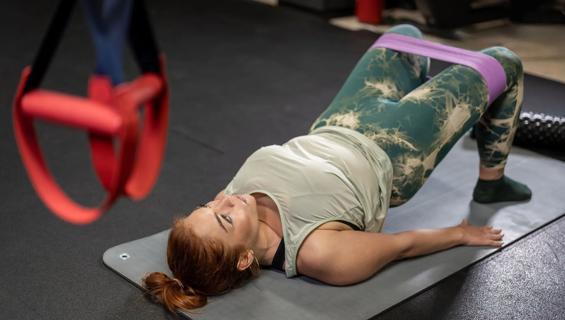
Glute bridges are simple bodyweight exercises worth adding to any workout

Stay afloat with bicycle kicks, alternating punches and water jogging

Plyometric training uses explosive movements to improve speed, power and agility
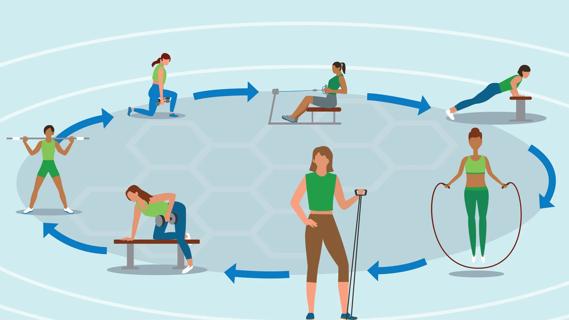
Circuit training combines strength and cardio exercises into one efficient workout

One helps with quick, intense bursts, while the other helps carry you for the long haul

It depends on your symptoms and where you feel them in your body, but you may want to sit this one out

This 75-day challenge provides a balanced approach to physical fitness, mental health and healthy habits

Managing your weight through physical activity may lower your chances of getting this common cancer

It typically starts in October and winds down in early spring, with cases at their highest in the middle of winter

Anxiety disorders, health conditions and past trauma can make driving nerve-wracking — help is available
 Search










