Locations:





Functional fitness encourages real-life actions to help you move more easily, safely and confidently
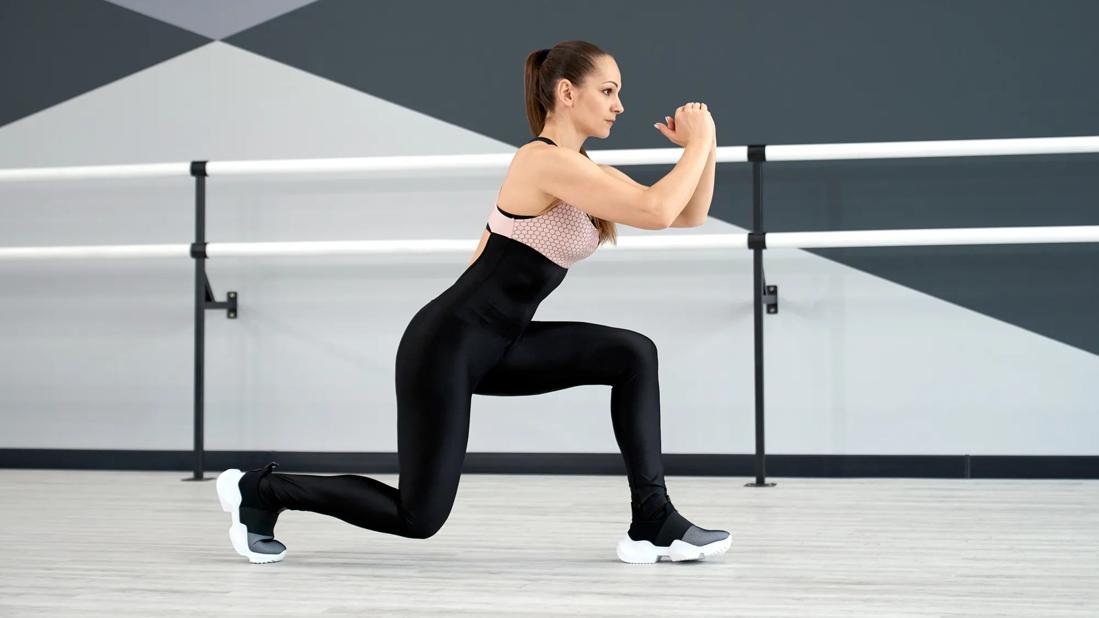
Image content: This image is available to view online.
View image online (https://assets.clevelandclinic.org/transform/1b224d7a-042d-4c15-9800-06fef307c148/reverse-lunge-1317991976)
Person doing a reverse lunge in a fitness studio
If you’ve ever struggled to get up from the floor, carry groceries or bend over to pull a stray weed from your garden, you’ve seen firsthand why strength matters in daily life.
Advertisement
Cleveland Clinic is a non-profit academic medical center. Advertising on our site helps support our mission. We do not endorse non-Cleveland Clinic products or services. Policy
That’s the kind of thing that functional strength training can help with. While we can get stuck on the thought that building muscle is all about “bulking up” for looks, functional strength training focuses on supporting your body to help you go about your day.
Physical therapist Justin Nessel, DPT, explains what functional fitness is and how to get started.
Functional fitness focuses on exercises that mirror everyday activities, like:
Traditional strength training typically isolates a single muscle group (think bicep curls). But functional movements typically involve multiple joints and muscle groups working together — echoing how you use your body in everyday situations.
And what counts as “functional” can vary depending on your needs.
“It’s very unique to the individual and what your life looks like,” Dr. Nessel says. “Any movement that matches something you do in your day-to-day life can be considered functional. What matters is improving your ability to do the things you need to do without burden.”
Functional strength exercises can help you train your body to make everyday tasks easier and safer. So, the benefits tend to be clear to spot throughout your day.
Advertisement
A consistent routine might:
There are a lot of ways to work functional movement into your day. Dr. Nessel shares these ideas to get started.
What it helps with: Kneeling and getting low to the ground
How to do it:
Lunges can also be done by stepping your foot forward. But Dr. Nessel advises that stepping backward “tends to be a little bit easier on the knees,” especially for beginners.
What it helps with: Getting in and out of chairs, couches and beds
How to do it:
What it helps with: Pushing movements, like opening doors
Advertisement
How to do it:
What it helps with: Pulling objects toward you, like opening a fridge or car door
How to do it:
Start with light weights and work your way up.
What it helps with: Twisting motions, like reaching behind you or looking over your shoulder
How to do it:
What it helps with: Bending and lifting, like picking up a bag of groceries or a child.
Advertisement
How to do it:
For added resistance, hold a weight in both hands. Keep it close to your body at chest level.
“I think it’s fair to say functional strength training is something most people should be doing,” Dr. Nessel advocates.
It’s especially helpful if you:
Because these exercises can be adjusted — using your body weight, dumbbells or resistance bands — you can tailor them to your fitness level.
If you’re new to exercise or have a history of injury, talk with a healthcare provider, like a physical therapist or trainer, before starting. You may need a more gradual or personalized approach.
Ultimately, the goal is simple: Train your body for life outside the gym.
“Anything you can do to get stronger is a good thing,” Dr. Nessel encourages.
Advertisement

Sign up for our Health Essentials emails for expert guidance on nutrition, fitness, sleep, skin care and more.
Learn more about our editorial process.
Advertisement
It helps to build up your strength and balance before tackling these more resistance-heavy TRX exercises
Glute bridges are simple bodyweight exercises worth adding to any workout
Stay afloat with bicycle kicks, alternating punches and water jogging
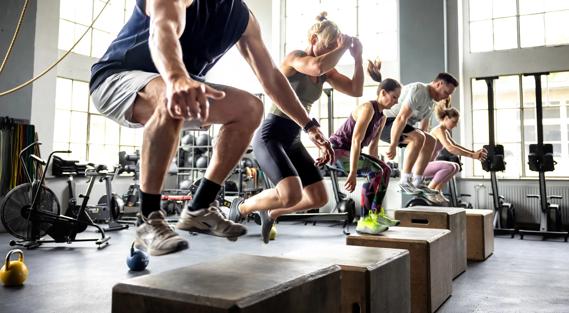
Plyometric training uses explosive movements to improve speed, power and agility
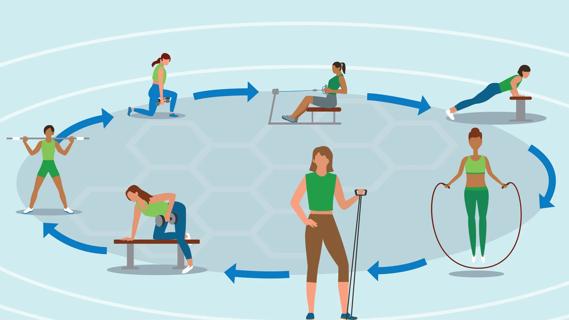
Circuit training combines strength and cardio exercises into one efficient workout

One helps with quick, intense bursts, while the other helps carry you for the long haul
It depends on your symptoms and where you feel them in your body, but you may want to sit this one out
This 75-day challenge provides a balanced approach to physical fitness, mental health and healthy habits

Managing your weight through physical activity may lower your chances of getting this common cancer

It typically starts in October and winds down in early spring, with cases at their highest in the middle of winter

Anxiety disorders, health conditions and past trauma can make driving nerve-wracking — help is available
 Search










