Locations:





Eat foods that are high in protein and low in animal fat and simple sugar
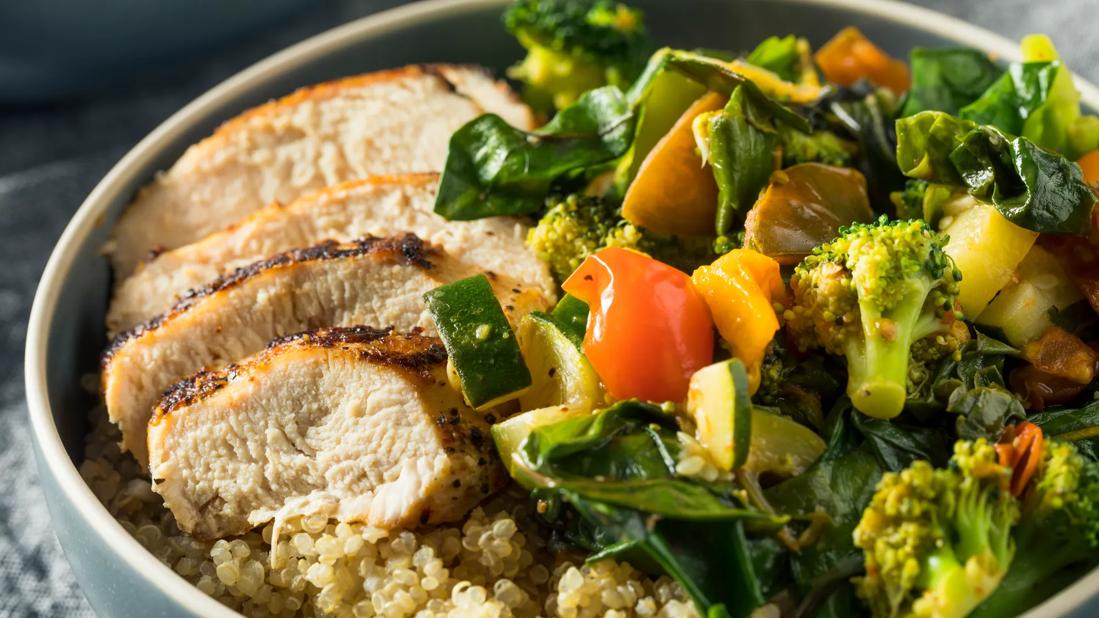
Image content: This image is available to view online.
View image online (https://assets.clevelandclinic.org/transform/9fe2cb44-2414-4b7e-ba93-db4a00cc1343/chicken-quinoa-greens-908070288)
Bowl of quinoa, chicken, vegetables and spinach
What you eat can have a huge effect on how you feel, especially if you have pancreatitis — a condition that occurs when the organ that produces your digestive enzymes becomes inflamed.
Advertisement
Cleveland Clinic is a non-profit academic medical center. Advertising on our site helps support our mission. We do not endorse non-Cleveland Clinic products or services. Policy
Paying close attention to your diet can help ease abdominal pain that accompanies this condition, says hepatobiliary and pancreatic surgeon Mayank Roy, MD.
Following a pancreatitis diet and choosing your food well — think whole grains, fruits and vegetables — can give your pancreas a break and help it recover.
A diet for pancreatitis should aim to be high in protein and low in animal fats and simple sugars, Dr. Roy suggests.
You should eat plenty of:
Focusing on vegetables, fruits and whole grains limits your cholesterol intake and increases your fiber intake. This lowers your risk of developing gallstones or high triglycerides, which are among the top causes of acute pancreatitis. Plus, the antioxidants in these nutritious whole foods help combat the free radicals in your body, which helps reduce inflammation.
You can also eat avocado, olive oil, fatty fish, nuts and seeds — but do so in moderation.
Advertisement
Adding medium-chain triglycerides (MCTs) — fats that often come from coconut or palm kernel oil — can also help boost nutrient absorption if you have chronic pancreatitis, Dr. Roy says.
“The Mediterranean diet is a good option for you if you’re recovering from mild acute pancreatitis,” advises Dr. Roy.
Your pancreas processes most of the fat you eat. So, the more you eat, the harder your pancreas works. Whenever possible, stay away from fried or full-fat foods, as well as foods that are high in sugar.
Try to limit or avoid:
High-fat foods and simple sugars also increase your triglyceride levels. This boosts the amount of fat in your blood and increases your risk of acute pancreatitis.
If you’ve had an acute pancreatitis episode, you can help speed your recovery with some changes to your eating habits and lifestyle. Try these tips:
If your abdominal pain continues, your healthcare provider may also refer you to a pain management specialist.
Ultimately, your eating habits are often an effective way to protect your pancreas. But changes in diet don’t affect all people the same way. The impact depends on whether you have an acute or chronic case of pancreatitis.
“People with mild pancreatitis can benefit from diet and lifestyle changes alone,” Dr. Roy explains. “However, diet isn’t always enough, by itself, to manage symptoms in moderate to severe cases if the appropriate cause of pancreatitis hasn’t been appropriately managed.”
Advertisement

Sign up for our Health Essentials emails for expert guidance on nutrition, fitness, sleep, skin care and more.
Learn more about our editorial process.
Advertisement
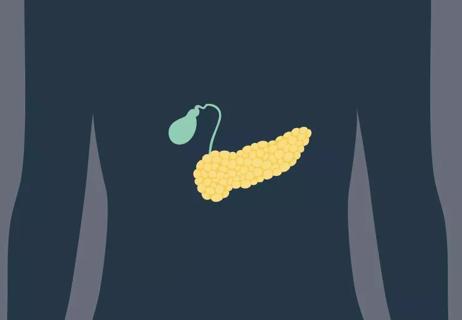
Hint: smoking, drinking and diet play a role

Fibromyalgia causes widespread pain — and now we know more about the root cause

Nighttime knee pain could be from inflammation, injury or another condition that gets worse with pressure and positioning
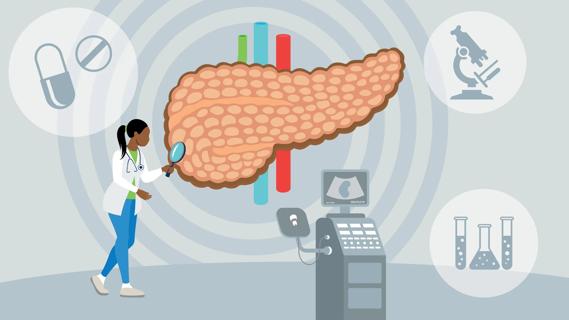
In its early stages, the disease rarely causes symptoms — but as it progresses, it can cause jaundice, stomach pain, mid-back pain, vomiting and more

An anti-inflammatory diet, regular exercise and heat therapy can all help — but severe pain may require medical treatment

This chronic condition most commonly causes pelvic pain and severe cramping during periods, but it can bring other types of pain symptoms, too

Gallstones can block bile in your biliary system and lead to pain and discomfort

Looking down at your smartphone or computer screen can stress muscles in your neck, shoulders and back

Managing your weight through physical activity may lower your chances of getting this common cancer

It typically starts in October and winds down in early spring, with cases at their highest in the middle of winter

Anxiety disorders, health conditions and past trauma can make driving nerve-wracking — help is available
 Search










