Locations:


If you’re being treated for COPD, but still having moderate to severe flare-ups, biologics may be the next step
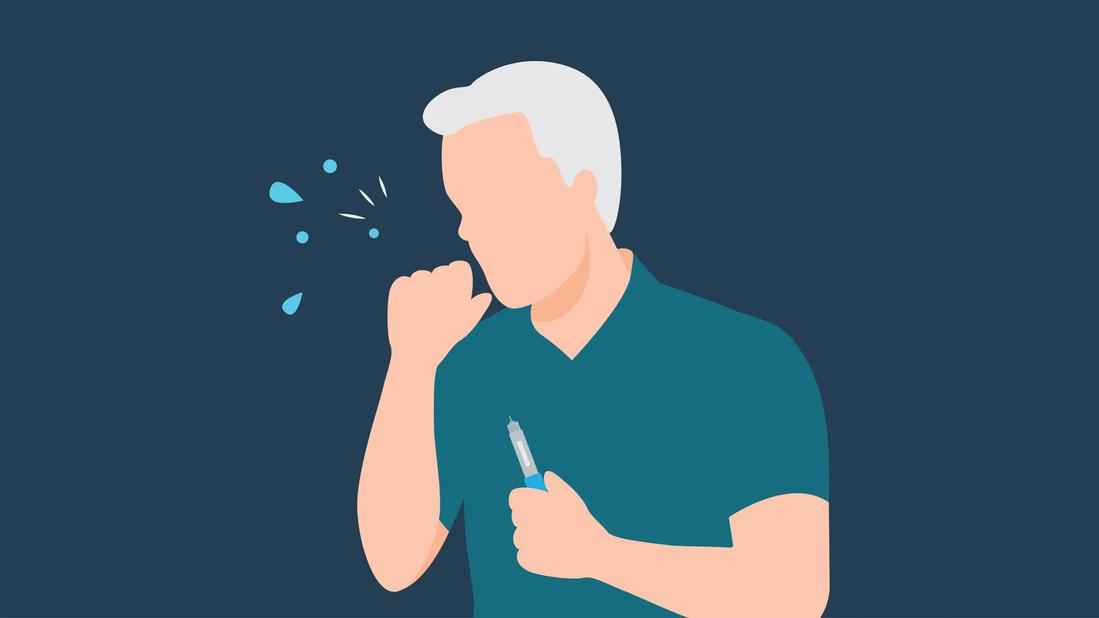
Image content: This image is available to view online.
View image online (https://assets.clevelandclinic.org/transform/98d54f07-f3c8-492b-a16f-b54b2d805699/Biologics-COPD)
Person with a wet cough, holding a biologics medical
You’re doing everything you’re supposed to be doing to manage your chronic obstructive pulmonary disease (COPD). You’re using your inhalers as your doctor has prescribed. But your symptoms are still there — and sometimes they even require hospital visits.
Advertisement
Cleveland Clinic is a non-profit academic medical center. Advertising on our site helps support our mission. We do not endorse non-Cleveland Clinic products or services. Policy
Could biologic medications help? They aren’t a first-line treatment for COPD. But if other treatments aren’t working as hoped, your provider may want to explore whether you’re a candidate for these targeted medications.
Pulmonologist Wajdy Abi-Saleh, MD, explains how biologics for COPD may lessen the chances of future flare-ups and improve your quality of life.
COPD flare-ups, or exacerbations, are when your symptoms quickly get worse, sometimes requiring emergency care. Biologics can target specific processes in your immune system (often called pathways) that contribute to inflammation and lead to flare-ups.
“People sometimes tell me they’re ‘only’ having a few exacerbations per year,” Dr. Abi-Saleh shares. “But even a few flare-ups are bad news for your lung function. So, we want to do everything we can do to prevent those episodes and keep your COPD well-managed.”
This is when your provider may turn to biologics for help. They’re often able to be more precise and more effective than other types of medications.
“We’re seeing people who start on biologics and, within a very short time, start to experience improvements in their COPD symptoms and a dramatic reduction in exacerbations,” he continues.
Advertisement
Biologics aren’t a standalone treatment for COPD — they’re an add-on. So, if you’re taking medication for COPD but continue to have flare-ups, adding one of these injectables to your existing treatment plan may help.
“Biologics also aren’t used to treat sudden breathing problems,” Dr. Abi-Saleh says. “For acute episodes, rescue inhalers, along with other interventions, like steroids and antibiotics, continue to be the go-to therapy.”
Biologics aren’t right for everyone who has COPD. Healthcare providers follow guidelines set by the Global Initiative for Chronic Obstructive Lung Disease (GOLD) to figure out whether you’re a good candidate.
These medications may be a good fit if:
Advertisement
“We consider a variety of factors to determine whether biologics are the right choice — and, if so, which one to try,” Dr. Abi-Saleh explains. “Your provider may also want to double-check your diagnosis, assess your current treatments and understand what’s driving your inflammation.”
Biologics are a newer treatment for COPD, first approved by the U.S. Food and Drug Administration (FDA) in 2024. Right now, there are two options. Which is right for you depends on the type of inflammation that’s contributing to your COPD.
Dr. Abi-Saleh explains the two biologics approved to treat COPD:
Both dupilumab and mepolizumab are also approved to treat asthma, which can coexist with COPD. If you’re living with both of these conditions, biologics may be especially helpful.
Advertisement
Dr. Abi-Saleh adds that in clinical trials, another biologic agent (tozorakimab) shows promising results for treating COPD. “It seems to significantly reduce exacerbations regardless of blood eosinophil counts or smoking status,” he notes.
You don’t have to live in fear of your next COPD flare. If you’re on standard treatments but still experiencing exacerbations, talk to your healthcare provider about whether biologics may be a good addition to your treatment plan.
And try to maintain hope — because other treatments are likely on the horizon, too.
“This is a research field that’s rapidly evolving,” Dr. Abi-Saleh encourages. “We’re looking forward to having even more tools that we can turn to in order to help manage COPD.”
Advertisement

Sign up for our Health Essentials emails for expert guidance on nutrition, fitness, sleep, skin care and more.
Learn more about our editorial process.
Advertisement
The steroid medication may raise your blood pressure and cause heart palpitations
Lower your risk by sticking to the right dose and avoiding long-term use without medical guidance

The little blue pill might help with physical arousal, but there are better treatments for low libido in women
Authorized take-back programs, services and drop-off locations are the best, safest way to get rid of expired medicine
Popular among teens, these inhalants give you a quick high, with serious harmful effects
These similar versions of brand-name drugs are safe, effective and often less expensive
Though these painkillers work in different ways, they can both help reduce a fever and pain

Like any medication, prednisone can come with side effects — for best results, take it with food in the morning and work with your provider to get the dosage right
Research hints at improved strength, balance, blood flow and weight loss, but more evidence is needed

The blended oat beverage may help curb hunger, but it doesn’t work like a GLP-1

Teen cycles are often ‘off-cycle’ for the first few years
 Search