Locations:





 Search
The risk of infection makes fast and thorough treatment critical
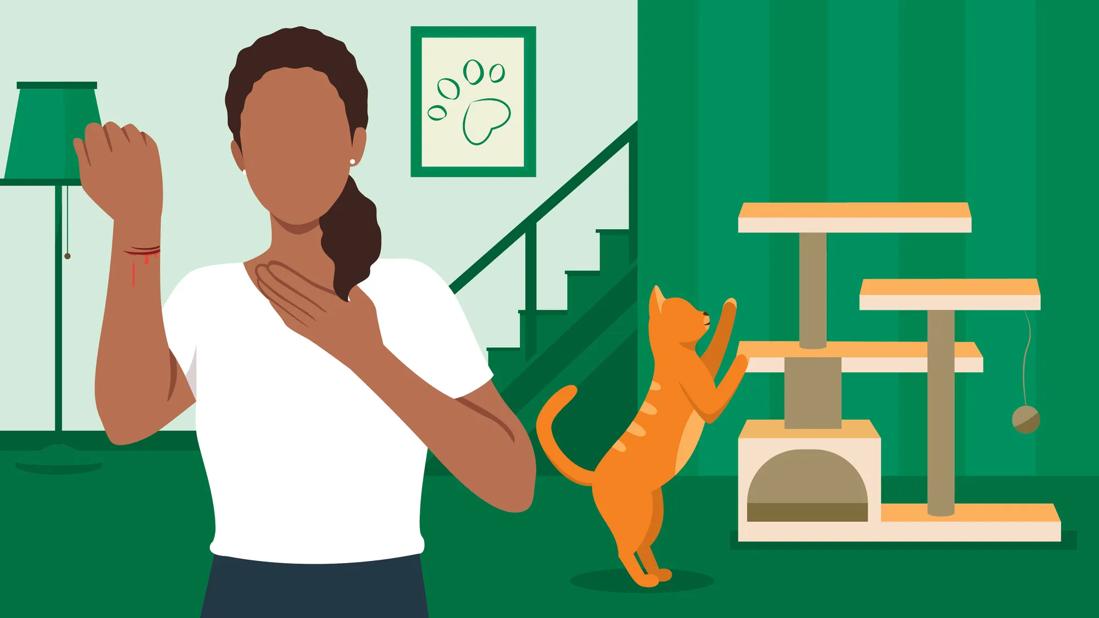
Image content: This image is available to view online.
View image online (https://assets.clevelandclinic.org/transform/a18faf90-21ad-49df-89af-6aa2cf7c2d29/cat-scratch-2063474500)
Person bleeding from a cat scratch on arm, with cat playing on cat tree in livinng room
The cat you’re petting purrs with delight as you gently stroke its fur. Mr. Whiskers seems so cuddly and content — right up until the moment they turn and sink their sharp fangs or claws into your skin.
Advertisement
Cleveland Clinic is a non-profit academic medical center. Advertising on our site helps support our mission. We do not endorse non-Cleveland Clinic products or services. Policy
What you do next to treat your wound is very important.
That’s because cat bites and scratches bring a high risk of illness (and ickiness) from bacteria. It’s estimated that 20% to 80% of reported cat bites become infected, according to the U.S. Centers for Disease Control and Prevention (CDC).
We asked emergency medicine physician Stephen Sayles III, MD, to explain the risks of cat bites and scratches, and what you can do to best protect yourself.
The inside of a cat’s mouth isn’t exactly the cleanest environment. It’s loaded with about 200 types of bacteria — some of which can cause a serious reaction when injected into your body via razor-sharp teeth.
Scratches come with infection risk, too, given that cat claws also carry a variety of bacteria from padding around in the world.
Bacterial infections and puncture wounds or gashes from cats can be severe, warns Dr. Sayles. The risk of complications from an infection rises if you’re immunocompromised or have diabetes.
“See a doctor within eight hours to cut your infection risk,” he advises. “You may need intravenous [through a vein] antibiotics or — in some cases — you may even need to be hospitalized.”
One study found that 30% of people who sought treatment for a cat bite on their hand ended up being hospitalized. The average stay was more than three days.
Advertisement
Bacterial infections associated with cat bites and/or scratches include:
Signs of infection from a cat bite or scratch can begin appearing within a few hours of the feline encounter. It may take as long as 10 days for symptoms of cat scratch fever to show. Rabies can take weeks or months to progress.
Given concerns about bacteria, cleaning the wound is the No. 1 priority when treating a cat bite or scratch.
Start by rinsing the wound with water to flush out as much bacteria as possible, instructs Dr. Sayles. Be gentle to avoid pushing bacteria deeper into the wound.
Next, wash the wound with soap and water. Slow the bleeding with a clean cloth and apply an over-the-counter antibiotic cream if you have it, he recommends. Then, wrap the wound in a sterile bandage.
Keep the wound bandaged until you see a healthcare provider. Again, the goal should be to get professional treatment within eight hours to help reduce the risk of infection.
A provider will likely do the following:
Plan to change your bandage several times a day as the wound heals. Watch for signs of infection — including redness, swelling, increased pain and fever — in the days that follow, says Dr. Sayles.
Even though a cat may seem sweet when it’s purring or softly meowing, the reality is that they can bite and scratch. You can reduce your risk of being wounded and infected by a cat fang or claw by:
Advertisement
In addition, always wash your hands after touching a cat and after cleaning their litter box.
Advertisement

Sign up for our Health Essentials emails for expert guidance on nutrition, fitness, sleep, skin care and more.
Learn more about our editorial process.
Advertisement
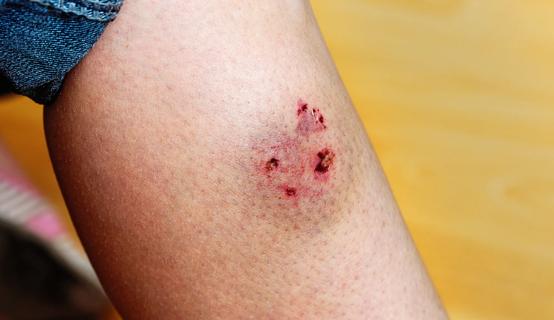
To lower the risk of infection, any bite that breaks skin should be treated by a healthcare provider as soon as possible — ideally, the same day
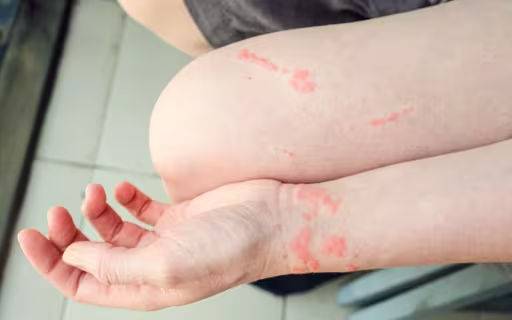
This persistent myth isn’t true and can actually cause more pain than relief

Poisons are inhaled, ingested or absorbed by your skin, while venoms are delivered by bites and stings

An urgent care physician weighs in on what to do
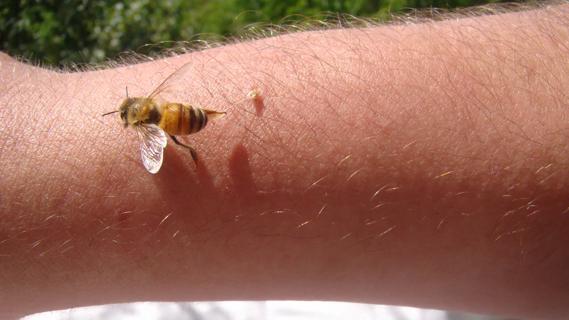
Whether you scrape or pull out the stinger, the key is to do it quickly

A drizzle of olive oil may help your hair feel softer, shinier and less frizzy

A few simple adjustments to your chair, desk and computer can help reduce strain

If a small frustration leads to a big emotional reaction, built-up stress may be to blame

This vibrant purple yam offers vitamin C, fiber and antioxidants in every bite

A fresh water rinse before and after swimming can go a long way

Both are healthy choices, but wild-caught salmon offers a few more benefits











