Locations:





It could leave a mark when you’re walking long distances in hot weather
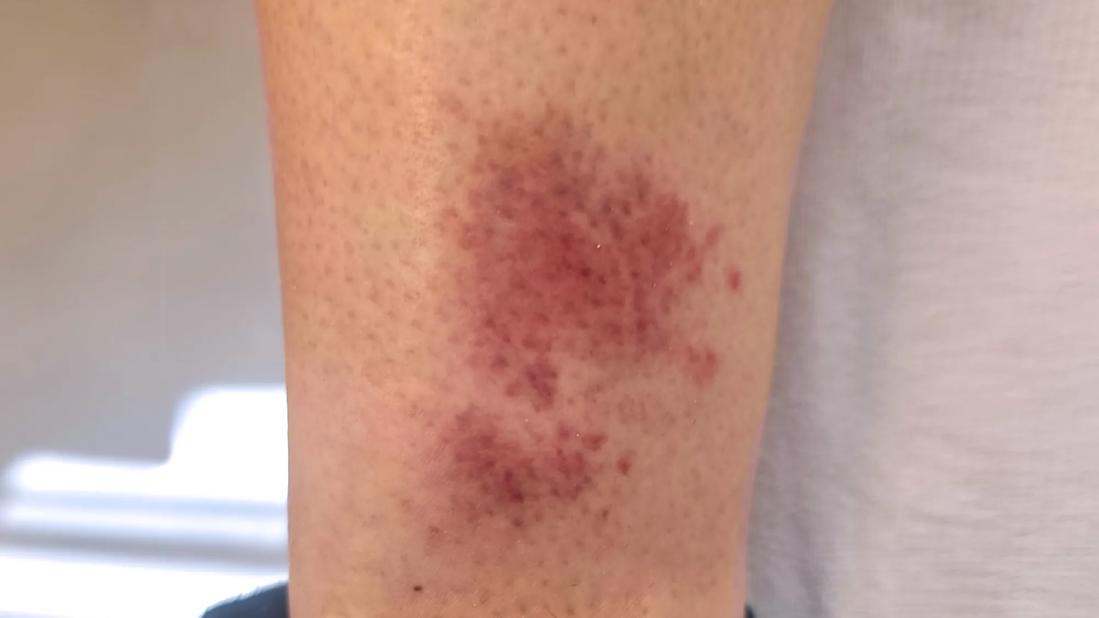
Image content: This image is available to view online.
View image online (https://assets.clevelandclinic.org/transform/cb6a56b9-b38f-4660-81f5-3e9cc6ea204a/vasculitis-2246064221)
Red, patchy rash, vasculitis, on skin
If you’re exploring Disneyland, Walt Disney World or any other large theme park, you probably don’t want to walk away with a beet-red rash on your lower legs — but it’s more common than you might think.
Advertisement
Cleveland Clinic is a non-profit academic medical center. Advertising on our site helps support our mission. We do not endorse non-Cleveland Clinic products or services. Policy
Rheumatologist Alexandra Villa-Forte, MD, MPH, explains how this skin condition sporadically appears and what you can do to prevent it.
The medical term for a Disney rash is exercise-induced vasculitis. It’s sometimes referred to as golfer’s vasculitis or marathon runner’s vasculitis, but it’s popularly called “Disney rash” because of how it affects people when they’re walking long distances or standing for long periods of time in theme parks. It all stems from inflammation in the blood vessels just underneath the surface of your skin.
“Healthy individuals may get this rash because they’re walking for extended periods of time in warm weather,” says Dr. Villa-Forte. “It’s more common on your lower legs, between the ankles and right below the knees. But it can also affect other areas, like your chest and back.”
Exercise-induced vasculitis appears as a splotchy red or purple rash. It can sometimes even look like a large bruise on your skin. It most commonly causes:
And it can appear on:
“It’s very uncomfortable, more like a burning itch,” clarifies Dr. Villa-Forte. “Areas that are compressed, like under your socks, are usually spared from this rash.”
Advertisement
Vasculitis is an autoimmune condition that causes inflammation in your blood vessels. There are several different kinds of vasculitides, but the Disney rash variety is believed to be caused by a combination of:
That’s why it commonly occurs for people who are on vacation and traveling to theme parks like Disney. More research is needed to determine more specific reasons behind the rash. But some studies suggest it happens more often for people with varicose veins or chronic venous insufficiency, a condition where blood pools in your legs.
Exercise-induced vasculitis tends to go away on its own within seven to 10 days. If you’re looking to relieve some of the swelling or itching, Dr. Villa-Forte recommends:
“Compression socks might feel uncomfortable at first, but it’s probably the best way to try to reduce swelling in your legs,” says Dr. Villa-Forte.
Don’t let the threat of a Disney rash prevent you from having a good time on your next vacation.
Dr. Villa-Forte advises wearing clothing that fully covers your skin (like pants) or compression socks to prevent swelling if you:
“Some primary care providers might recommend a short course of prednisone or antihistamines a few days before you plan to do a lot of walking outside, but it’s not recommended for everyone,” she adds. “If you’re interested in those options, speak to your healthcare provider.”
Remember, in most cases, a Disney rash comes and goes with little fanfare. If you’re going on a long hike or planning to spend a day at an outdoor amusement park, just keep an eye on your symptoms, make sure you rest appropriately and stay hydrated.
Advertisement

Sign up for our Health Essentials emails for expert guidance on nutrition, fitness, sleep, skin care and more.
Learn more about our editorial process.
Advertisement

Treatments have improved outcomes for a condition once viewed as fatal
These tiny saltwater larvae can get trapped under your swimsuit and trigger an itchy reaction called seabather’s eruption

Stress, tight clothing and even sunlight can cause this itchy condition

Treatment is tailored to you and may involve medications like antihistamines, corticosteroids or antidepressants
OTC medications, loose clothing, sun protection and other health habits can help manage flares
Topical creams, oral antihistamines and some TLC for your skin can help relieve itchiness and boost recovery

A true chlorine allergy is extremely rare — it’s far more likely that you have a damaged skin barrier

The itching and swelling of chronic spontaneous urticaria can disrupt sleep, confidence and daily life — and stress can make symptoms worse

Eyes typically increase to full size during two growth spurts in childhood

To start, opt for calorie-dense foods that are rich in protein and healthy fats

Pre-birth injections and monoclonal antibodies can help prevent serious complications
 Search










