Locations:





 Search
When your lower back hurts, stretching and staying active can be key to finding relief
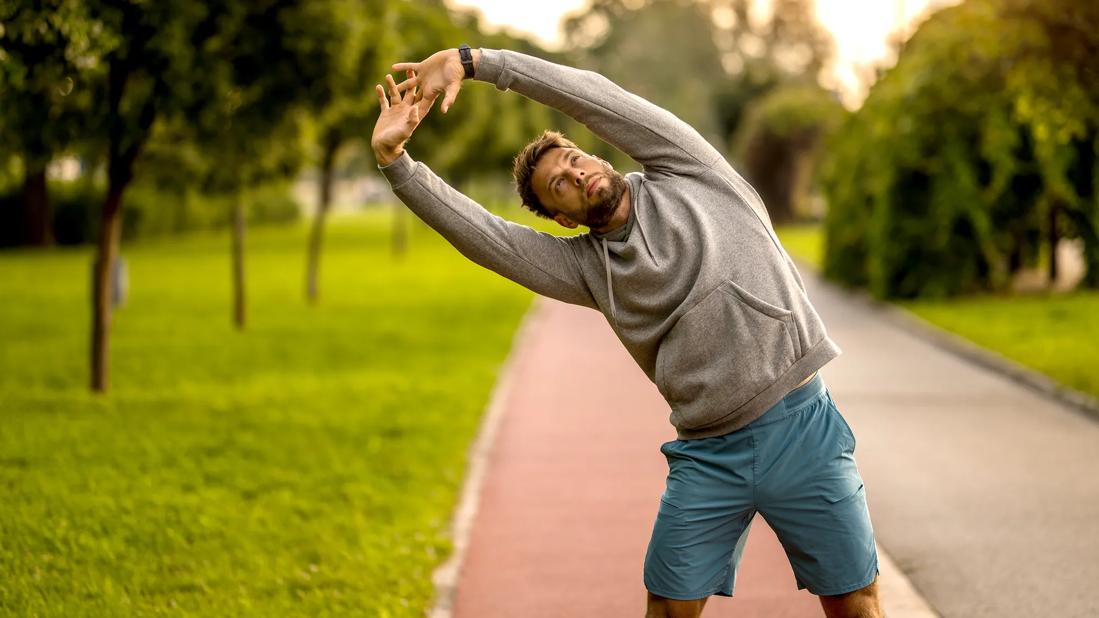
Back pain has a way of disrupting even the simplest of tasks. When your lower back is painful, getting out of a seated position, standing long enough to do dishes or just bending over to pick up something off the floor can be difficult.
Advertisement
Cleveland Clinic is a non-profit academic medical center. Advertising on our site helps support our mission. We do not endorse non-Cleveland Clinic products or services. Policy
But rather than rest and stay still, physical therapist Patti Kopasakis, DPT, says it’s important to bring gentle mobility to the area.
“When you have lower back pain, your first instinct may be to rest, but that just adds more stiffness to the equation,” Dr. Kopasakis explains. “Gentle movement can help work things out. But the key is to listen to your body and not push through increased pain.”
Dr. Kopasakis shares some of the best exercises and stretches to relieve your lower back pain.
If your pain is the result of trauma, like a fall or an accident, or if it’s associated with a cough, vomiting or other signs of illness, talk with a healthcare provider before attempting to stretch it out yourself.
But if your pain comes after a long day of sitting in an uncomfortable chair or after going too hard on yardwork, some light exercise and stretching may be just what you need.
“Listen to the feedback you’re getting from your body,” Dr. Kopasakis advises. “If things are hurting worse, that’s an indicator to back off.”
Before exercising or stretching, you’ll also want to make time for some deep breathing techniques, to loosen up your muscles and calm your nervous system.
Once your body is ready for it, give these stretches and exercises a try.
Advertisement
If getting down on all-fours is difficult for you, you can modify this stretch by placing both of your hands on a counter, desk or tabletop:
Advertisement
Advertisement
If your lower back is hurting, gentle stretching may provide some relief. But if your pain persists or worsens, or if you experience pain going down one of your legs, you’ll want to make an appointment with a healthcare provider to find other solutions. Consulting with a physical therapist may also help, as they can tailor any program to your specific goals and needs.
“The quickest route for people to get better is to come in and see a physical therapist or healthcare provider who can direct you on what your body needs based on your exam and your goals,” encourages Dr. Kopasakis.
“In general, you want to give yourself a couple of weeks or more before you start seeing significant changes. So, consistency is important.”
Advertisement
Learn more about our editorial process.
Advertisement
A physical therapist answers your questions
Manual therapy offers relief without the unwanted side effects of medication
Your diet in the weeks, days and hours ahead of your race can power you to the finish line

Squats are foundational for building strength in your legs, glutes, quads and core muscles
A consistent walking program is an effective way to drop pounds and lose body fat
From playful movement to strength-building, kids need exercise to stay healthy and strong
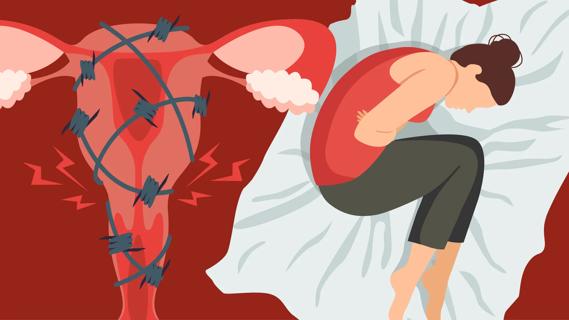
This chronic condition most commonly causes pelvic pain and severe cramping during periods, but it can bring other types of pain symptoms, too
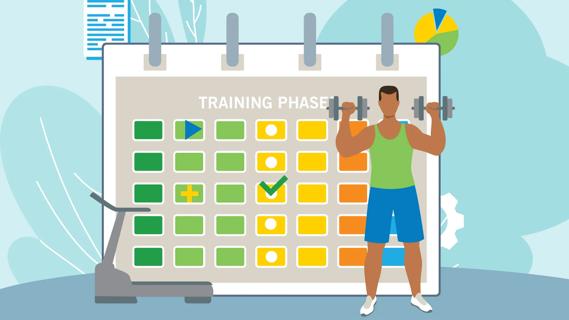
You can improve your athletic performance over time by breaking up your workout regimen into focused cycles
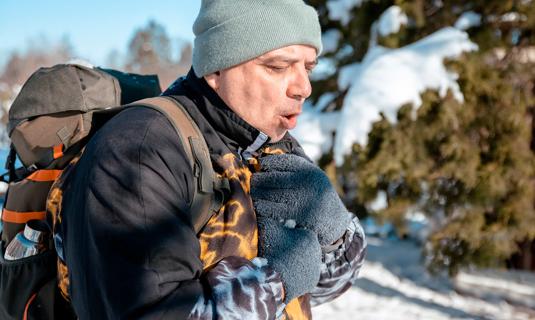
Wearing a scarf, adjusting your outdoor activities and following your asthma treatment plan can help limit breathing problems
Your diet in the weeks, days and hours ahead of your race can power you to the finish line
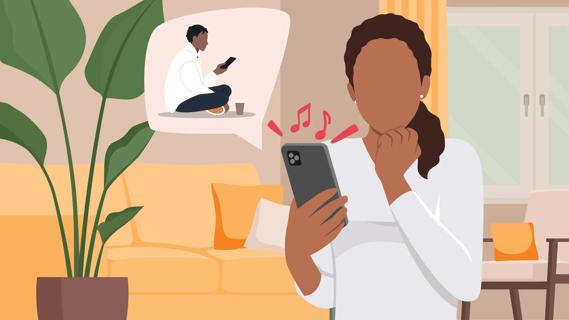
When someone guilt trips you, they’re using emotionally manipulative behavior to try to get you to act a certain way











