Locations:





Understanding what sets off this serious skin condition can help you recognize when you need urgent care
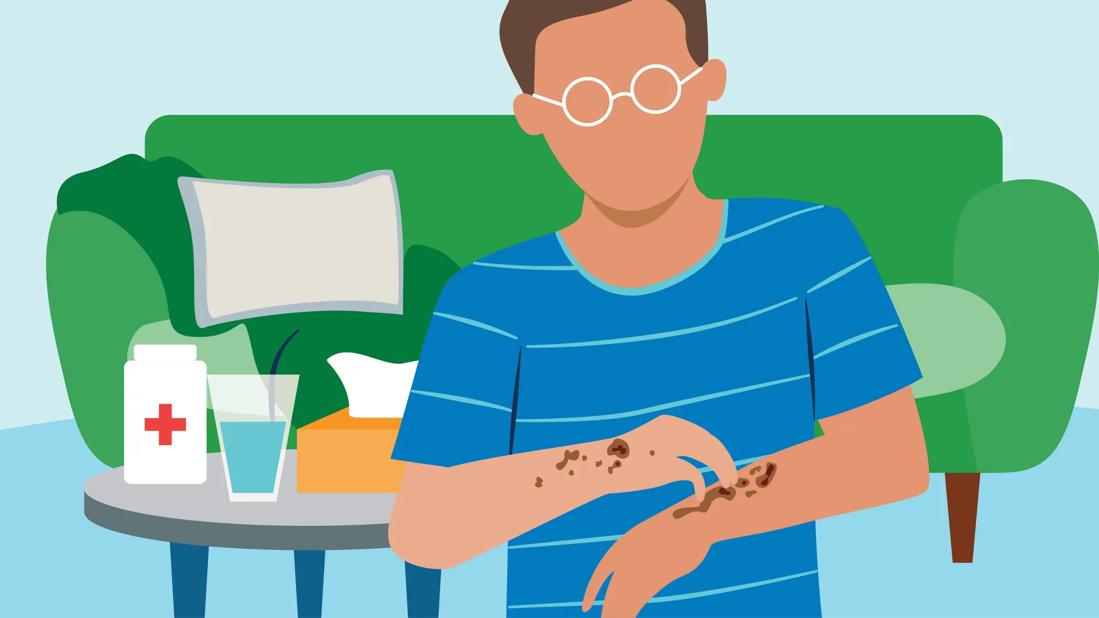
Image content: This image is available to view online.
View image online (https://assets.clevelandclinic.org/transform/96ac7fa3-7394-43d7-8b79-d1da933a22cd/person-rash-forearms-when-sick-2208750941)
Person scratching at rash on arms, with medicine and tissues on coffee table
Living with generalized pustular psoriasis (GPP) can be stressful and unpredictable. You might not know what your GPP flare triggers are, which can make it hard to tell when a flare might happen. Is it stress? A change in medication? Or something you haven’t even thought of?
Advertisement
Cleveland Clinic is a non-profit academic medical center. Advertising on our site helps support our mission. We do not endorse non-Cleveland Clinic products or services. Policy
Generalized pustular psoriasis flares come on fast and may not even have an obvious cause. Dermatologist David Xiong, MD, shares some of the surprising things that can trigger a GPP flare, from genetic changes to harsh weather.
Video content: This video is available to watch online.
View video online (https://cdnapisec.kaltura.com/p/2207941/sp/220794100/playManifest/entryId/1_4kdyxsf4/flavorId/1_5f3sgelj/format/url/protocol/https/a.mp4)
Learn common triggers for generalized pustular psoriasis (GPP) and when to seek care.
GPP symptoms typically require urgent care and may even require a hospital stay. But early signs of a flare can look like other things — such as an allergic reaction, skin infection or even a bug bite — so paying close attention to new or worsening symptoms matters.
Sometimes, Dr. Xiong says that flares start spontaneously, without a clear trigger. Other times, they can be traced back to a particular GPP flare trigger … once you learn what yours are.
Everyone’s GPP triggers are different. But here’s what may be behind your flares.
Illnesses and infections ramp up your immune system, which can lead to GPP symptoms.
“Infections tend to be the most common cause of the flares that I see,” Dr. Xiong shares. “Usually, these are upper respiratory infections, like the common cold, flu, strep throat or COVID-19.”
He also notes that many people with GPP have plaque psoriasis, a condition often linked to obesity or diabetes.
Stopping certain medications too quickly can trigger a GPP flare. This can include corticosteroids, like prednisone, and immunosuppressants, like cyclosporine.
Advertisement
This may occur due to something known as a rebound effect. When you stop these drugs suddenly instead of tapering your dose, your immune system can reactivate too strongly. That surge can set off widespread inflammation and trigger a GPP flare.
“Flares sometimes can happen spontaneously,” says Dr. Xiong. “But many other triggers can cause GPP flares, even everyday things you might not consider.”
Some of these include:
In rare cases, both preexisting plaque psoriasis and GPP reactions have been reported after vaccines for the flu, COVID-19, monkeypox or tuberculosis.
“In theory, any vaccine could cause a flare because they start an inflammatory response in your body,” Dr. Xiong explains. “But it’s very uncommon.”
Vaccinations can be an important part of your overall health — and for most people with GPP, they don’t trigger flares. Your care team can help you decide what’s right for you and when to schedule vaccinations.
Avoiding your flare triggers is an important part of managing GPP. Your dermatologist and rheumatologist can help you figure out what may lead to flares and create a plan to help reduce your risk.
These steps may include:
Small steps like these can help lower the chance of flares over time.
Even with lifestyle changes, Dr. Xiong explains that to fully manage generalized pustular psoriasis, you’ll likely need a medication made specifically to treat psoriasis or GPP.
“Some people with GPP can go for months to years between flares, but this isn’t typical,” he notes. “More often, you’ll have flares until you start treatment for GPP.”
Advertisement
Your provider may recommend a biologic medication called spesolimab (Spevigo®) to help manage your GPP and its flares. This treatment is the only medication approved specifically for treating generalized pustular psoriasis. It works by blocking the IL-36 pathway. It can also treat symptoms from a sudden flare.
“It’s a promising treatment for GPP and other related inflammatory disorders,” he adds. “Studies have shown it helps significantly.”
Your provider may also use other medications approved for treating psoriasis that can help reduce inflammation during initial treatment. There are also injections targeting other inflammatory pathways involved in psoriasis.
“There’s no foolproof solution to treating GPP,” Dr. Xiong says. “But we do see that some treatments, like spesolimab, are more effective than others.”
It’s important to work proactively with your dermatologist to make sure your medications are working for you. Let them know if you notice any improvement or have side effects. They can adjust your dosage or try something different, if needed.
Generalized pustular psoriasis is a lifelong condition, so symptoms may come and go over time. Because flares can appear quickly, it’s important to watch for new or worsening signs. If a flare spreads fast or feels more severe than usual, head to the nearest emergency department right away.
Advertisement
“If you’re having severe symptoms, you’ll want to seek urgent care,” Dr. Xiong advises. “Severe or prolonged flares can cause significant inflammation in your body and damage multiple organs, including your eyes, kidneys, liver, joints or lungs.”
Living with GPP can make everyday life feel unpredictable. But learning what your GPP flare triggers are and how this condition behaves can help you better manage it — and feel less caught off guard when symptoms appear.
Advertisement

Sign up for our Health Essentials emails for expert guidance on nutrition, fitness, sleep, skin care and more.
Learn more about our editorial process.
Advertisement

Plaque psoriasis builds over time, while GPP can appear suddenly with symptoms that may require urgent care

Signs like fever, breathing problems and muscle weakness, along with red patches and pus-filled bumps, mean it’s time for emergency treatment

Moisturize often, take oatmeal baths, use Epsom salts and follow a healthy diet to help reduce your symptoms
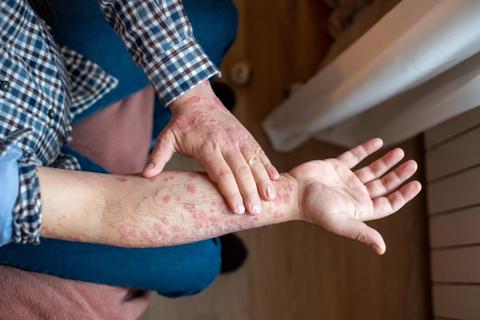
The common skin condition isn’t contagious, but it can pop up anywhere on your body during a flare

A well-balanced diet with anti-inflammatory foods can help reduce flare-ups and severity of psoriasis symptoms

Caused by inflammation, psoriasis itch can be managed with a variety of treatments, like moisturizing and taking cooler and shorter showers

Stress, infections, skin injuries and environmental factors can trigger an onset of psoriasis symptoms
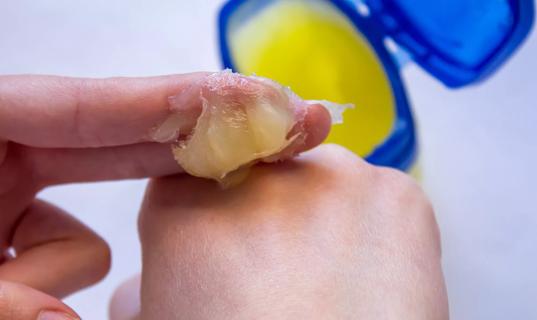
Learn your triggers, stay moisturized, quit smoking, prioritize sleep — and avoid scratching

Managing your weight through physical activity may lower your chances of getting this common cancer

It typically starts in October and winds down in early spring, with cases at their highest in the middle of winter

Anxiety disorders, health conditions and past trauma can make driving nerve-wracking — help is available
 Search










