Locations:





Signs like fever, breathing problems and muscle weakness, along with red patches and pus-filled bumps, mean it’s time for emergency treatment

Image content: This image is available to view online.
View image online (https://assets.clevelandclinic.org/transform/a3a90855-16d5-415e-8261-92ca9f42ccf1/nurse-patient-IV-drip-1210051411)
Healthcare provider adjusting IV fluid, with patient nearby
What’s it like to have a general pustular psoriasis (GPP) flare? Red patches and pus‑filled bumps can show up suddenly and spread quickly across your body. And you may feel feverish and sick.
Advertisement
Cleveland Clinic is a non-profit academic medical center. Advertising on our site helps support our mission. We do not endorse non-Cleveland Clinic products or services. Policy
Those are signs that you shouldn’t wait for the next available visit with your dermatologist. You need to get generalized pustular psoriasis urgent care right away, says dermatologist David Xiong, MD.
“This condition can cause serious and life-threatening complications, including severe kidney, liver or lung damage,” Dr. Xiong states. “If you have these skin symptoms and are feeling unwell, get emergency medical treatment.”
Video content: This video is available to watch online.
View video online (https://cdnapisec.kaltura.com/p/2207941/sp/220794100/playManifest/entryId/1_hhej89p1/flavorId/1_5f3sgelj/format/url/protocol/https/a.mp4)
Learn the warning signs of a severe GPP flare and when to seek emergency care.
Knowing when generalized pustular psoriasis is an emergency can help you reduce your risk of serious complications. Dr. Xiong shares the red flags that it’s time to call 911 or local emergency services.
Generalized pustular psoriasis can flare up quickly and affect more than just your skin. It triggers inflammation throughout your body when your immune system overreacts.
During a flare, you may notice red patches called plaques and pus-filled bumps called pustules appearing on your skin.
But that’s not all. GPP can move quickly from your skin and damage other parts of your body, Dr. Xiong says.
"Autoinflammatory diseases cause inflammation throughout your body,” he explains. “They’re different from autoimmune conditions. With those, the immune system attacks specific parts of the body by mistake.”
Advertisement
Along with sudden plaques and blisters, these other symptoms can signal a severe flare:
Severe GPP flares can sometimes lead to sepsis. Sepsis is a serious condition that happens when your body has an extreme response to an infection. This reaction can damage healthy tissues and organs and, in some cases, become life-threatening.
Some symptoms of a GPP flare can look like sepsis. But sepsis often causes more severe or widespread symptoms.
In addition to GPP symptoms, watch for signs like:
To be safe, treat symptoms of a GPP flare or sepsis as a medical emergency. If you’re showing signs of a severe flare or sepsis:
Share as much information as you can, as it will help your care team determine what to do next.
When you arrive, the ED team will try to stabilize your symptoms and check for complications. This often includes:
Your care team will run tests to confirm that GPP is causing your symptoms and rule out similar-looking conditions. You’ll have blood tests to check for signs of infection. These tests can also show how well organs like your liver and kidneys are working and whether there are signs of new damage.
Your providers may also take skin samples for a skin biopsy. This can help dismiss other possible causes, like:
You may also see specialists like dermatologists or rheumatologists. They can help confirm that your symptoms aren’t from another autoimmune or autoinflammatory condition.
Once your care team confirms that you’re having a GPP flare, they’ll start fast-acting treatment to lower inflammation. This may include:
Advertisement
They may also prescribe targeted therapies like spesolimab (Spevigo®). This medication is the only one approved to help block the inflammatory signals in the immune system that drive GPP flares.
“While there’s no foolproof solution, we see that some treatments, like spesolimab, are more effective than others,” Dr. Xiong says.
You may need to stay in the hospital for a while to continue getting treatment. If your symptoms are severe, you may go to the intensive care unit (ICU), where providers can respond quickly if complications develop.
In the hospital, you can receive treatments like IV fluids and medications in an effort to stabilize your symptoms and protect your organs.
Generalized pustular psoriasis can get worse quickly. Knowing when it’s time to seek urgent care for GPP can help you feel more prepared.
If you’re noticing severe symptoms or ones that worry you, head straight to the emergency department. Dr. Xiong stresses that getting rapid care can help lower your risk of developing serious problems. Emergency teams can work with specialists to understand what’s happening and begin treatment to help resolve your symptoms and get you feeling better quickly.
Advertisement

Sign up for our Health Essentials emails for expert guidance on nutrition, fitness, sleep, skin care and more.
Learn more about our editorial process.
Advertisement
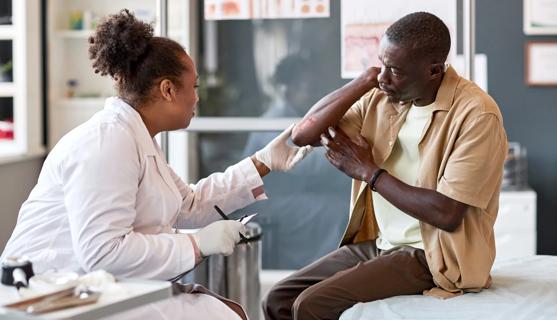
Plaque psoriasis builds over time, while GPP can appear suddenly with symptoms that may require urgent care
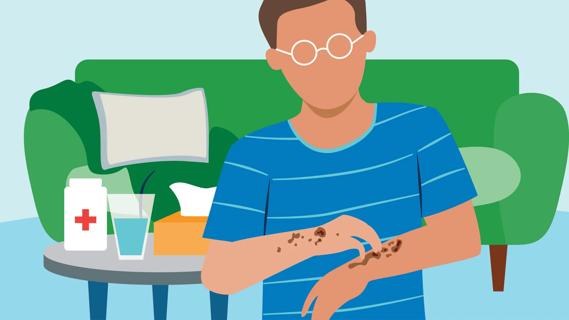
Understanding what sets off this serious skin condition can help you recognize when you need urgent care

Moisturize often, take oatmeal baths, use Epsom salts and follow a healthy diet to help reduce your symptoms
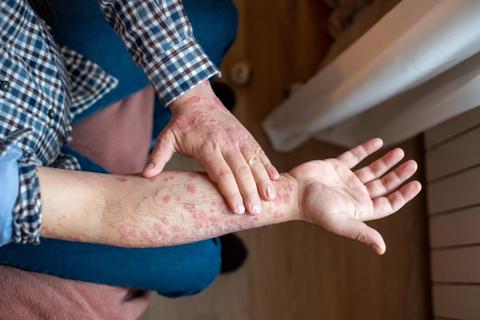
The common skin condition isn’t contagious, but it can pop up anywhere on your body during a flare

A well-balanced diet with anti-inflammatory foods can help reduce flare-ups and severity of psoriasis symptoms

Caused by inflammation, psoriasis itch can be managed with a variety of treatments, like moisturizing and taking cooler and shorter showers

Stress, infections, skin injuries and environmental factors can trigger an onset of psoriasis symptoms

Learn your triggers, stay moisturized, quit smoking, prioritize sleep — and avoid scratching

Managing your weight through physical activity may lower your chances of getting this common cancer

It typically starts in October and winds down in early spring, with cases at their highest in the middle of winter

Anxiety disorders, health conditions and past trauma can make driving nerve-wracking — help is available
 Search










