Locations:





A fresh water rinse before and after swimming can go a long way
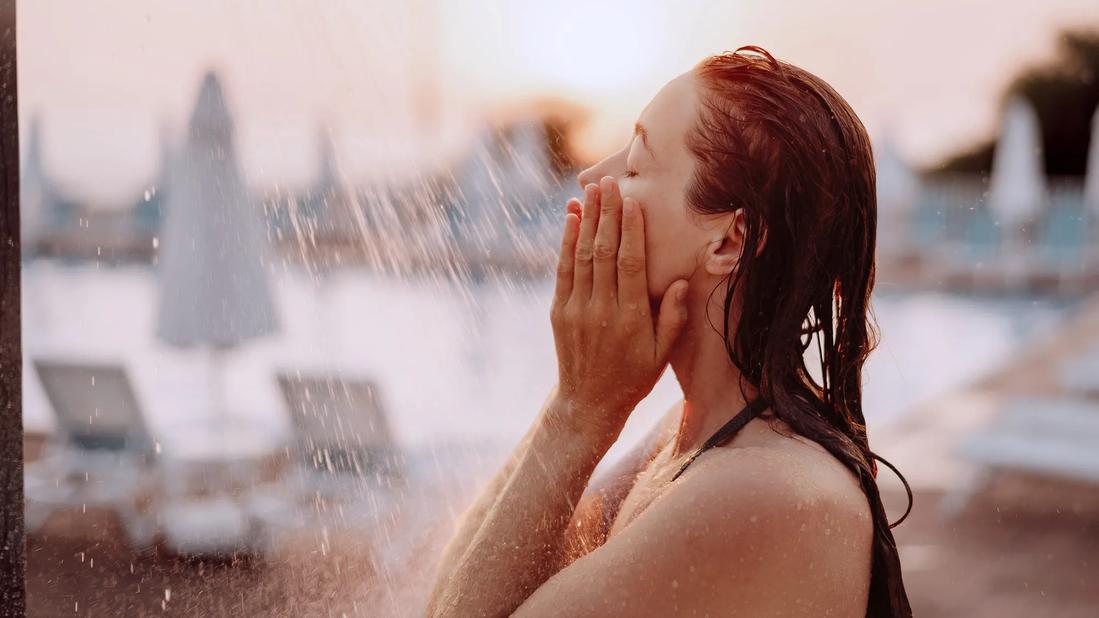
Image content: This image is available to view online.
View image online (https://assets.clevelandclinic.org/transform/4a51b486-9183-42ef-b2fa-f2368da75747/Rinsing-off-after-swim-2045160924)
Person rinsing off in outdoor shower after swimming
Few things beat a swim on a hot summer day. It’s a fun way to cool off, get some exercise and enjoy the outdoors. But if you’re spending a lot of time in the pool, you may be wondering what all that chlorine is doing to your hair.
Advertisement
Cleveland Clinic is a non-profit academic medical center. Advertising on our site helps support our mission. We do not endorse non-Cleveland Clinic products or services. Policy
Dermatologist Taylor Bullock, MD, shares why chlorine causes hair damage and what you can do before and after swimming to sidestep those side effects.
Chlorine is designed to disinfect public and private pools. But in the process, it strips away natural oils that normally protect your hair.
“Your hair may become dry, rough, dull and more susceptible to breakage the more it comes into contact with chlorine,” explains Dr. Bullock.
Chlorine can also affect your:
And despite the common myth, chlorine isn’t what turns your hair green. It’s the minerals in pool water that leave behind a green tint, especially on lighter-colored or chemically treated hair.
The good news? Many of the same steps that protect your hair from chlorine can also help reduce the chance of green hair.
Most people won’t notice significant damage after an occasional swim. But frequent swimmers are much more likely to experience these effects.
Here’s what can help.
Protecting your hair starts before you ever get in the water, and a few minutes of prep can go a long way.
Advertisement
Here are some options before you get in the water:
“While no method completely blocks chlorine exposure, combining these strategies can significantly reduce damage,” says Dr. Bullock.
Don’t leave your hair high and dry. A few simple post-swim habits can help wash away chlorine and keep your hair healthy.
Here’s what to do when you’re done swimming:
Don’t let chlorinated water keep you from enjoying the pool. Its purpose is to make sure you can swim safely without having to worry about germs and bacteria. So, next time you dip your toe in the water or dive into the deep end, give your hair a little extra love and attention.
“Frequent swimmers should think of hair care as part of their swimming routine,” says Dr. Bullock. “Just a few minutes of prep and post-swim recovery can go a long way to keeping your hair smooth, healthy and strong.”
Advertisement

Sign up for our Health Essentials emails for expert guidance on nutrition, fitness, sleep, skin care and more.
Learn more about our editorial process.
Advertisement
Excessive exposure to saltwater can dehydrate skin and hair, despite having a few benefits

Bright bathing suit colors can make kids easier to see in pools, lakes and oceans — but color is only one part of water safety

Both strategies work together to impact muscle growth, fat loss and strength gains

A type of high-intensity interval training, boxing can challenge your body and mind

Start training with full-body workouts at least six to eight weeks before you hit the slopes
To avoid swimmer’s eye, wear goggles, use eye drops and flush out your eyes with fresh, clean water when irritated
Keep kids safe while they swim by staying vigilant and setting up a safe pool environment

Having a well-rounded, healthy nutrition plan is just as important as staying consistent with your exercise routine

Managing your weight through physical activity may lower your chances of getting this common cancer

It typically starts in October and winds down in early spring, with cases at their highest in the middle of winter

Anxiety disorders, health conditions and past trauma can make driving nerve-wracking — help is available
 Search










