Locations:





Advice for resistant hypertension
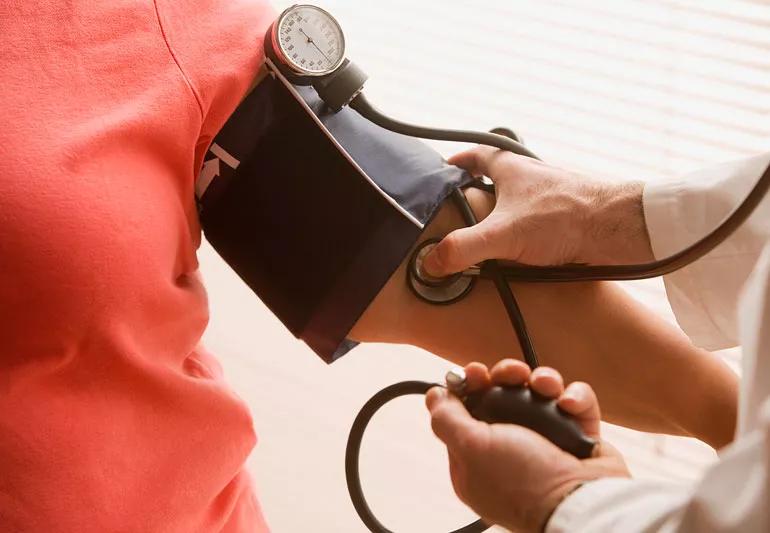
Image content: This image is available to view online.
View image online (https://assets.clevelandclinic.org/transform/9a9c2154-49a2-454f-8640-69d2885656e4/highBPmedsNotEnough-71417934-770x533-1_jpg)
woman getting her blood pressure checked
If your blood pressure has crept up over the years, you likely take one or more drugs to help bring it down. But what happens when medication isn’t enough to control your hypertension?
Advertisement
Cleveland Clinic is a non-profit academic medical center. Advertising on our site helps support our mission. We do not endorse non-Cleveland Clinic products or services. Policy
Although high blood pressure is often treated successfully with medication and lifestyle changes, resistant hypertension is not so easy to address. Hypertension specialist George Thomas, MD, helps unpack this common cardiovascular disease.
High blood pressure is sometimes known as “the silent killer” — so named because it increases the risk of heart attack and stroke, but often goes unnoticed because of its lack of obvious symptoms. In fact, you may have high blood pressure and not even know it.
But resistant hypertension, just as the name says, is when your high blood pressure is difficult to control even with medication.
“Resistant hypertension is the failure to reach your goal blood pressure when you’re adhering to maximally tolerated doses of an appropriate three-drug regimen that includes a diuretic,” explains Dr. Thomas.
Put another way: If you have high blood pressure, and you’re taking the maximum dose of three different blood pressure medications including a water pill (diuretic), and your blood pressure still isn’t at safe levels, you may have resistant hypertension. And you’ll need to do more to control it.
Diagnosing resistant hypertension isn’t always simple. Getting a consistently accurate reading is key, and Dr. Thomas says, sometimes that’s tricky.
Advertisement
There are several reasons why you might get an inaccurate reading. This can happen if:
If you rule out all of those factors, and your blood pressure is still elevated, your may have resistant hypertension.
In many cases, it’s a matter of lifestyle, Dr. Thomas says. Medication can only do so much to control your blood pressure.
Your doctor likely will explore four possibilities:
1. If you’re eating a diet that’s high in sodium, smoking, consuming a lot of alcohol, or are overweight and not exercising, your medication may not overcome those behaviors.
2. Medications you take for other things can contribute to the problem. NSAIDS (non-steroidal anti-inflammatory drugs, such as ibuprofen), oral contraceptives and nasal decongestants all can boost your blood pressure, Dr. Thomas says.
“Be sure to bring all of your pill bottles, including over-the-counter medications or herbal supplements or vitamins, to your medical appointments,” he says.
3. There’s also evidence that obstructive sleep apnea can contribute to resistant hypertension. Your doctor may order a sleep study if this is a concern.
4. If your doctor rules out lifestyle factors and medications, they may look for other causes related to hormones or vascular problems.
Dr. Thomas offers eight tips for managing hypertension. If you do these things, you’ll know you’re doing all you can to help:
Advertisement
Managing hypertension isn’t always easy, but making these changes is worth the effort. They will go a long way toward reducing your risk of heart disease and stroke.
Advertisement

Sign up for our Health Essentials emails for expert guidance on nutrition, fitness, sleep, skin care and more.
Learn more about our editorial process.
Advertisement

The common household medication isn’t a solution for hypertension — and regular use comes with risks

Certain supplements, like licorice root and St. John’s wort, can raise your blood pressure or negatively interact with medication

Foods high in potassium, calcium and vitamins C and E can help lower your blood pressure
Making lifestyle changes can help reduce your blood pressure, but taking cinnamon supplements probably isn’t one of them
Hypertension strains your heart and blood vessels, causing damage that can contribute to heart attacks
Daily stressors can increase BP in the moment, as well as contribute to habits that can feed long-term hypertension
Moderation is best when consuming caffeinated drinks to avoid unhealthy spikes in BP
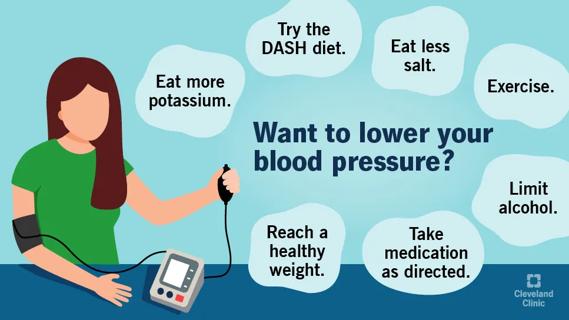
Medication, exercise and diet changes can all help

Most breast pain isn’t a sign of cancer, but certain symptoms deserve a closer look

It’s a myth that you should avoid sleep (or have someone wake up throughout the night) after a head injury

The color and shade of your urine offer a window to your health
 Search










