Locations:


Unexpected DNA changes can cause cells to grow out of control and lead to cancer
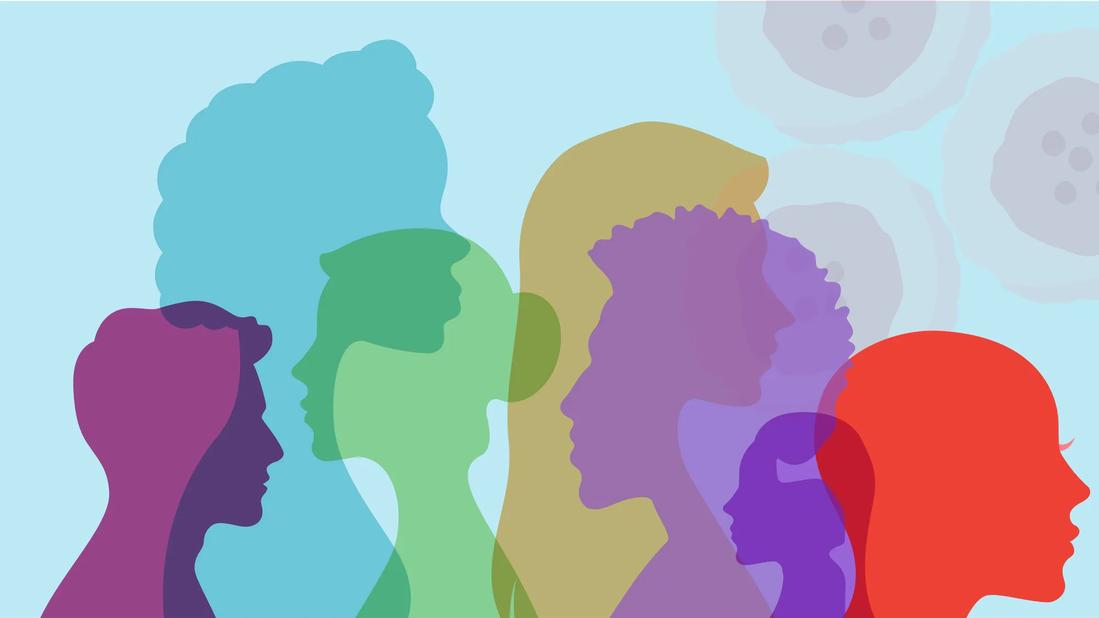
Image content: This image is available to view online.
View image online (https://assets.clevelandclinic.org/transform/fc3878e0-6808-4ddd-b693-075442d34f6e/cancer-start-2258433245)
Silhouettes of people of all backgrounds, with cancer cells floating around
Whether you’ve been diagnosed with cancer, love someone who’s been diagnosed or just want to understand your risk, you may be wondering: “How does cancer start?”
Advertisement
Cleveland Clinic is a non-profit academic medical center. Advertising on our site helps support our mission. We do not endorse non-Cleveland Clinic products or services. Policy
Cancer starts when DNA changes, known as mutations, disrupt the instructions that control how cells grow and divide.
“Oftentimes, cancer isn’t a single mutation, but a series of them,” says oncologist Dale Shepard, MD, PhD.
Cancer starts when changes inside a cell cause it to grow and divide in ways it shouldn’t. But why does that happen? And what makes one cell cancerous when others around it aren’t?
Dr. Shepard walks us through the process.
It’s important to understand that no cell is cancerous from the beginning. Cancer starts with a series of unexpected changes in your cells.
Your cells contain DNA — instructions that tell them when to grow, divide and eventually die. This process happens inside your body every day.
But things may get off track if there’s a mutation. Sometimes, a cell might make a mistake when it copies its DNA. But other outside factors can also damage DNA and trigger changes, including:
Some people inherit gene changes from a biological parent that raise cancer risk. But those changes alone aren’t cancer.
Your body has a way to catch these mistakes.
“Your cells have proteins that are supposed to go through and fix those errors,” Dr. Shepard explains. “But sometimes they don’t.” When a mistake slips through, the cell keeps it. And every new cell it makes has that mistake in the DNA, too.
Advertisement
When mutations affect the instructions that control cell growth, a cell can become cancerous.
One change may damage a cell. Another may push it over the edge. That’s one reason cancer develops over time. The cells and gene changes involved can vary, but cancer starts when cells grow out of control.
Mutations in your genes can cause cells to grow and divide too quickly. They may also stop cells from dying when they should, the way healthy cells are supposed to once they’ve done their jobs. Over time, these abnormal cells can crowd out healthy ones.
These cells may pile up and form a mass of tissue called a tumor. Breast, colon, lung, skin and pancreatic cancers are among the many types of cancer that can form visible tumors.
You may also hear a tumor called a:
These terms alone don’t tell you whether an abnormal area is cancerous. Some lumps are, while others aren’t.
Noncancerous tumors, called benign tumors, don’t spread to other parts of your body. Cancerous tumors, called malignant tumors, can grow into nearby tissues and spread elsewhere.
But cancer doesn’t always form a solid tumor. For example, leukemia starts in blood-forming cells in your bone marrow. The abnormal cells can crowd out healthy blood cells. Lymphoma, another blood cancer, starts in white blood cells called lymphocytes and can form tumors in places like your lymph nodes.
As a tumor grows, it can affect the tissues, organs and bones around it.
“Tumors will grow until they start pushing on things,” Dr. Shepard says. “That pressure leading to pain is often what causes the first symptoms people notice.”
The first signs of cancer vary depending on where it starts, and some cancers don’t cause symptoms initially. That can be a problem — even without symptoms, cancer cells can spread beyond where they originally formed.
Sometimes, cancerous cells break away and travel through your bloodstream or lymphatic system, creating new tumors. When cancer spreads from where it started to other parts of your body, it’s called metastasis.
And a tumor doesn’t have to be large to spread. Even fairly small tumors can do it.
That’s a lot to take in. Especially if you or someone you love is facing cancer. But having a better understanding of how cancer starts can help make it a little less mysterious — but you don’t need to become an expert in cells or DNA. Start with your questions and concerns. Your care team will explain what’s happening and talk through your options, one step at a time.
Advertisement

Sign up for our Health Essentials emails for expert guidance on nutrition, fitness, sleep, skin care and more.
Learn more about our editorial process.
Advertisement
No, we aren’t all born with cancer cells — and having cancer in your family doesn’t mean you already have cancer or will necessarily develop it

Research on whether glyphosate increases cancer risk is mixed, but you can take steps to limit your exposure
While there’s no 100% guarantee, you can help limit cancer risk by adopting healthier lifestyle habits

Exercise is safe and beneficial for most people with cancer, but listen to your body and your healthcare team
Smoking can make symptoms from cancer treatment worse, and can even make treatments less effective

Prioritize protein and fresh produce, but be extra careful to avoid bacteria that could cause foodborne illnesses

Here’s how (and why) to ask your doctor about treatment goals, second opinions, clinical trials and more

Rates of early-onset breast, colorectal and GI cancers are increasing, but preventive care and a healthy lifestyle can help reduce your risk
Research hints at improved strength, balance, blood flow and weight loss, but more evidence is needed

The blended oat beverage may help curb hunger, but it doesn’t work like a GLP-1
Teen cycles are often ‘off-cycle’ for the first few years
 Search