Locations:


No, we aren’t all born with cancer cells — and having cancer in your family doesn’t mean you already have cancer or will necessarily develop it
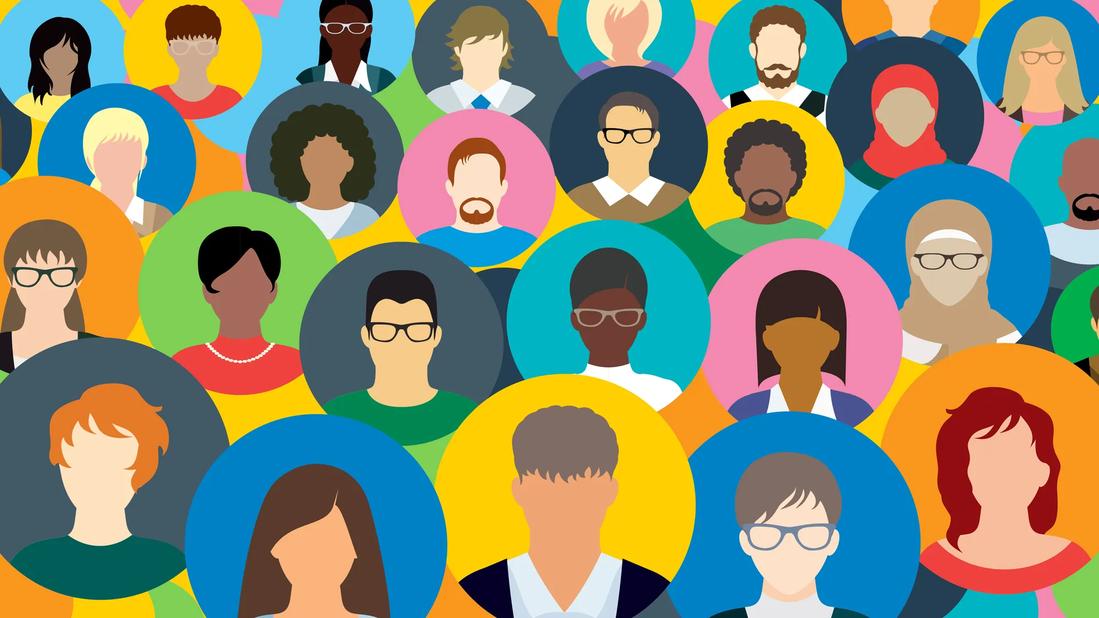
Image content: This image is available to view online.
View image online (https://assets.clevelandclinic.org/transform/99e6575f-59a2-420d-94d0-fbd55f9cad22/everyone-have-cancer-cells-2209067428)
Group of people from diverse population
Finding out you have cancer can leave you looking for answers.
Advertisement
Cleveland Clinic is a non-profit academic medical center. Advertising on our site helps support our mission. We do not endorse non-Cleveland Clinic products or services. Policy
Why did I get it? Was I born with sleeping cancer cells that were waiting to wake up?
Oncologist Dale Shepard, MD, PhD, explains how cancer actually starts — and what mutations and inherited risk really mean.
The short answer: No, we aren’t all born with cancer cells.
“Cancer isn’t already there waiting to start growing,” Dr. Shepard says. “Having cells with DNA changes isn’t the same as having cancer. One change can make a cell more vulnerable, but that doesn’t mean it’s already cancer.”
Your body has trillions of cells that form, grow, divide and die throughout your life. Sometimes, changes in those cells (mutations) can lead to cancer. Some mutations are inherited, but most develop during your lifetime. But it’s not because cancer cells were already there waiting to grow.
Normal cells follow instructions provided by their DNA. Those instructions help control what cells do and keep them working as they should. But sometimes, cells can develop random DNA errors.
The good news is that your body has ways to deal with these errors. It can repair damaged DNA or get rid of abnormal cells before they become a problem.
“Our immune system is pretty darn good at recognizing abnormal cells and targeting them for destruction,” Dr. Shepard says.
Advertisement
But those safeguards aren’t perfect. Sometimes, an abnormal cell isn’t repaired or destroyed. If it develops additional changes, it can eventually become cancer.
Not every abnormal cell is automatically a cancer cell. Abnormal changes happen in cells for many reasons. Most are repaired or destroyed before they can cause problems.
And even if an abnormal cell survives, more has to happen before it becomes cancer.
That’s an important distinction.
Having cells with DNA changes isn’t the same as having cancer. Sometimes, abnormal cells continue to grow and form a tumor. But even then, that doesn’t necessarily mean you have cancer.
Those tumors may be benign, meaning they’re made up of abnormal cells, but aren’t cancerous and can’t spread to other parts of your body.
For cancer to start, one DNA change usually isn’t enough. Another change may affect the cell, causing it to grow out of control and potentially become malignant (cancerous).
Malignant cells can grow into nearby tissue and spread to any part of your body, including your bones, blood, lymph nodes and other organs and tissue.
If you inherit a gene change that raises your risk of certain cancers, that doesn’t mean you were born with cancer cells, Dr. Shepard stresses.
“It just makes those cells more accident-prone,” he says. “They have a greater chance of developing additional changes that could eventually lead to cancer.”
Family history is only one piece of your cancer risk. Having cancer in your biological family doesn’t mean you’ll develop it. And having no family history doesn’t mean you can’t. Dr. Shepard says it’s important not to dismiss symptoms simply because you don’t have a family history of cancer.
You may not necessarily know exactly the cause of your cancer. You may wonder why you developed it when you’ve made a point of eating well, regularly exercising, and following a preventive care and screening routine.
“It’s not your fault,” Dr. Shepard emphasizes. “And you’re not predestined to get cancer. You’re not born with cancer that’s just waiting for the right moment to happen.”
Advertisement

Sign up for our Health Essentials emails for expert guidance on nutrition, fitness, sleep, skin care and more.
Learn more about our editorial process.
Advertisement
Unexpected DNA changes can cause cells to grow out of control and lead to cancer

Research on whether glyphosate increases cancer risk is mixed, but you can take steps to limit your exposure

While there’s no 100% guarantee, you can help limit cancer risk by adopting healthier lifestyle habits

Exercise is safe and beneficial for most people with cancer, but listen to your body and your healthcare team
Smoking can make symptoms from cancer treatment worse, and can even make treatments less effective

Prioritize protein and fresh produce, but be extra careful to avoid bacteria that could cause foodborne illnesses

Here’s how (and why) to ask your doctor about treatment goals, second opinions, clinical trials and more
Rates of early-onset breast, colorectal and GI cancers are increasing, but preventive care and a healthy lifestyle can help reduce your risk
Research hints at improved strength, balance, blood flow and weight loss, but more evidence is needed

The blended oat beverage may help curb hunger, but it doesn’t work like a GLP-1
Teen cycles are often ‘off-cycle’ for the first few years
 Search