Locations:





Genetics appear to play a stronger role in heart disease
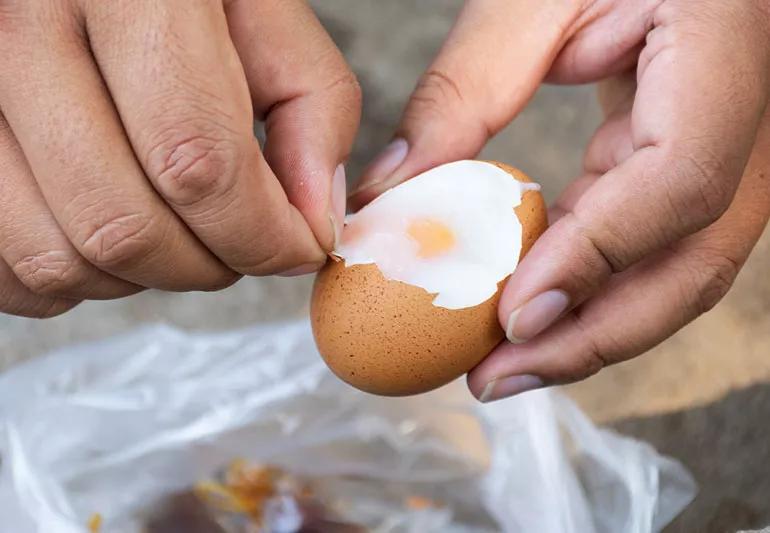
Image content: This image is available to view online.
View image online (https://assets.clevelandclinic.org/transform/7b6dc82c-6ea3-4e73-aecf-1db62464e74d/cholesterolFine-1080289506-770x533-1_jpg)
man peeling an egg cholesterol
High levels of “bad” cholesterol in the blood, which have been linked to heart disease, are still a health concern.
Advertisement
Cleveland Clinic is a non-profit academic medical center. Advertising on our site helps support our mission. We do not endorse non-Cleveland Clinic products or services. Policy
But evidence shows people no longer have to be concerned about eating foods that are high in cholesterol. What’s changed is that many researchers and physicians believe that eating cholesterol-rich foods such as eggs may not affect the cholesterol that is in your blood.
“However, people with certain health problems, such as diabetes, should continue to avoid cholesterol-rich foods,” says cardiologist Steven Nissen, MD.
Is cholesterol good for you? Is cholesterol bad for you? It’s complicated.
Cholesterol is a waxy substance that ultimately ends up in the walls of arteries. It causes plaque that leads to heart attacks and strokes. The U.S. Dietary Guidelines call for a daily cholesterol limit of 300 milligrams.
The relationship between cholesterol and the body is extremely complicated. Some of the ways its complicated are:
Advertisement
“Your genetic makeup – not diet – is the driving force behind cholesterol levels, says Dr. Nissen. “The body creates cholesterol in amounts much larger than what you can eat, so avoiding foods that are high in cholesterol won’t affect your blood cholesterol levels very much.”
About 85% of the cholesterol in the circulation is manufactured by the body in the liver. It isn’t coming directly from the cholesterol that you eat, according to Dr. Nissen.
It’s also likely that people with family history of heart disease share common environments that may increase their risk, according to the Centers for Disease Control and Prevention.
Should you actually worry about cholesterol in food? The greater danger for everyone is in foods that are high in trans fats.
“Those often appear on food labels as hydrogenated oils or partially hydrogenated vegetable oil,” he says. “Those types of fats do tend to raise cholesterol and do tend to increase the risk of heart disease.”
All in all, look for trans fat and saturated fat on labels at the grocery store. The American Heart Association recommends limiting dietary saturated fat intake and focusing more on eating fruits, veggies, whole grains, lean animal protein or plant protein sources.
Advertisement

Sign up for our Health Essentials emails for expert guidance on nutrition, fitness, sleep, skin care and more.
Learn more about our editorial process.
Advertisement

By boosting your ‘good’ cholesterol, exercise can indirectly lower your ‘bad’ cholesterol — but it’s most helpful when paired with dietary changes

High cholesterol can be genetic, but testing and treatment can lower your heart disease risk
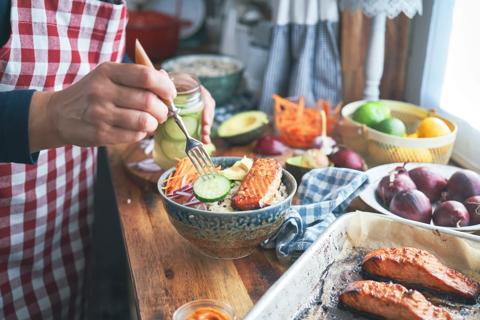
Limiting saturated fat, upping your fiber intake and moving around more can help reduce your ‘bad’ cholesterol

There isn’t enough research to recommend the supplement as a solution for lowering LDL levels
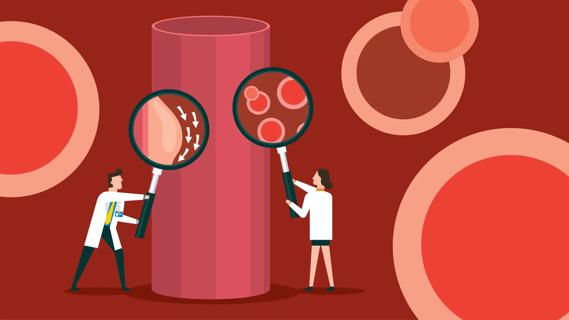
In the world of cholesterol, HDL particles are ‘good’ and LDL particles are ‘bad’ for your heart health

Fatty fish, flaxseed, extra virgin olive oil and nuts may help raise your HDL number

There’s no limit on the amount you should have each day, but experts are focused on saturated fat

Lifestyle adjustments can help you raise your HDL, the ‘good’ cholesterol

Rapid weight loss can cause loose skin, facial volume loss and body contour changes

Swallowing too much air, certain foods and drinks, and digestive conditions can all make you belch more
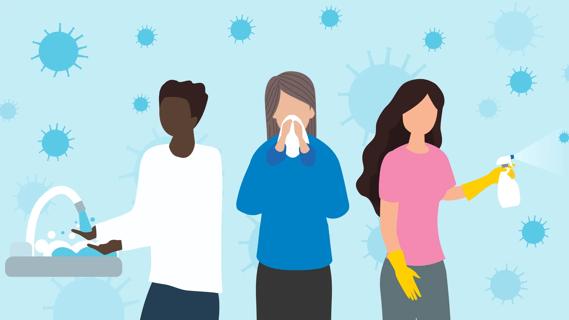
From poor hand hygiene and ventilation issues to contaminated food, many factors can make infectious diseases spread quickly
 Search










