Locations:





6 ways to avoid heart flutters or calm a racing heart
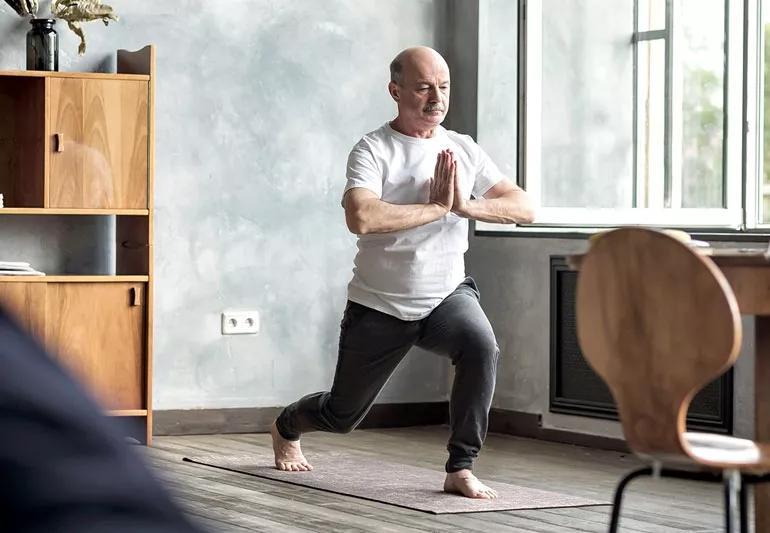
Image content: This image is available to view online.
View image online (https://assets.clevelandclinic.org/transform/ad717eb0-b6ae-4dc3-958d-e2db03d78a7b/elderManYoga-1177320130-770x533-1_jpg)
elderly man practicing yoga to destress
Your heart just skipped a beat — and sadly, it’s not because you locked eyes with an attractive stranger. If your heart flutters, pounds, races or misses a beat, that feeling is known as heart palpitations.
Advertisement
Cleveland Clinic is a non-profit academic medical center. Advertising on our site helps support our mission. We do not endorse non-Cleveland Clinic products or services. Policy
“Heart palpitations are common,” says electrophysiologist, Oussama Wazni, MD who specializes in abnormal heart rhythms. “They can be linked to heart problems. But they’re usually harmless.”
Still, it’s unsettling to feel like a butterfly is flapping around in your ribcage. If you’re prone to palpitations, here’s what you should know — and how to calm the flutter.
Heart palpitations can feel like a skip or a stutter. Sometimes, it feels like your heart is racing up or slowing down for no reason. Typically, they last just a few seconds.
And in many cases, they’re nothing to worry about. But they might be a sign of an arrhythmia or abnormal heart rhythm. Arrhythmias are often caused by heart disease, heart valve problems, abnormal potassium levels or other issues.
“If you’re having palpitations frequently, or the sensation lasts more than a few seconds, it’s a good idea to get checked out,” says Dr. Wazni.
And head to the emergency room (or call 911) if the palpitations come with other heart symptoms, such as:
You and your doctor have ruled out serious causes of palpitations (phew). But you’d still like your fluttering heart to take a break already.
Advertisement
Unfortunately, there’s no off switch for heart palpitations. But you can take steps to prevent them from happening.
Heart palpitations often strike when you’re stressed. Try to find ways to banish stress, including getting plenty of sleep and regular exercise. Relaxation techniques like yoga, meditation and deep breathing can help reduce stress and prevent palpitations.
Bonus: If your heart does start to flutter or race, stress management techniques like deep breathing can help calm your body and get your heartbeat back on track.
Palpitations can be caused by anxiety, fear or panic attacks. The good news? Anxiety is treatable. If you find yourself frequently worried or uneasy, talk to your doctor or a mental health professional. Addressing the anxiety can help your heart rest easy.
Heart palpitations can be triggered by caffeine and other stimulants, including diet pills, cough and cold medicine, tobacco products and certain illegal drugs, such as cocaine. To prevent palpitations, embrace decaf coffee and avoid other stimulants.
Alcohol isn’t a stimulant, but it can also trigger palpitations. Limiting or avoiding alcoholic drinks can help keep your heart steady.
Dehydration and heart palpitations often go hand in hand. When you’re dehydrated, your blood gets thicker. Your heart has to work harder to pump it around your body. That can boost the odds of palpitations. Drink plenty of water throughout the day to stay hydrated. If your heart rate seems to be spiking, pour yourself a tall glass of H2O.
Regular physical activity is great for heart health. But in some people, overdoing it can cause palpitations. If working out makes your heart skip or race, dial down the intensity — or avoid that particular activity altogether. And, it’s always a good idea to chat with your doctor before starting a new exercise routine.
If you take these tips to heart, you’ll be less likely to experience frequent flutters. And you can save the skipped beats for the attractive stranger.
Advertisement

Sign up for our Health Essentials emails for expert guidance on nutrition, fitness, sleep, skin care and more.
Learn more about our editorial process.
Advertisement

If you don’t have other symptoms, try using relaxation techniques and vagal maneuvers to calm your heart down

Yes — and depending on the level of dehydration, you may need emergency care
A skipped heartbeat is usually your heart returning to its normal electrical path
Don’t self-medicate with vitamin supplements without consulting a doctor first

Too little magnesium can make your heartbeat go off beat

High heart rate, pain and dizziness can signal something more serious than a skipped beat
Fainting, heart palpitations and shortness of breath are just a few signs your heart may need help

A resting heart rate below 35–40 beats per minute or over 100 beats per minute may be cause for concern
Rapid weight loss can cause loose skin, facial volume loss and body contour changes
Swallowing too much air, certain foods and drinks, and digestive conditions can all make you belch more
From poor hand hygiene and ventilation issues to contaminated food, many factors can make infectious diseases spread quickly
 Search










