Locations:





From poor hand hygiene and ventilation issues to contaminated food, many factors can make infectious diseases spread quickly
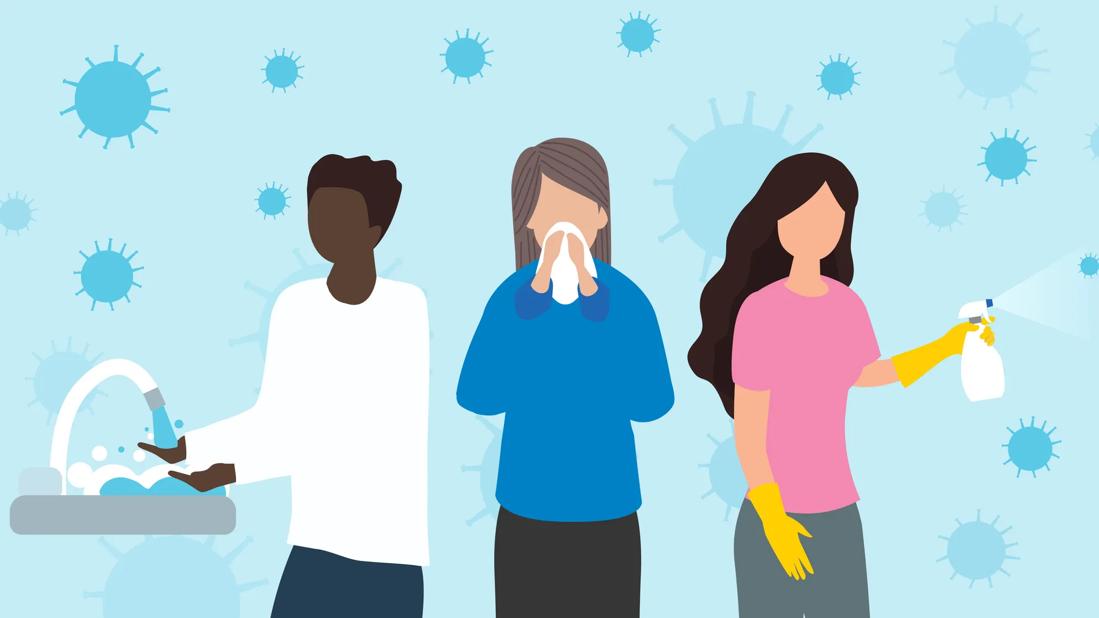
Image content: This image is available to view online.
View image online (https://assets.clevelandclinic.org/transform/fcf8506c-8597-470b-a5e6-a0edb5c70af7/getting-sick-1224672393)
People practicing safe hygiene to ward off sickness, like washing hands and disinfecting
You’re covering for multiple coworkers who are home sick, and your kids are spending their school days surrounded by empty desks. Now, you’re getting a text from your youngest child’s daycare: Their best buddy just got sent home with a fever.
Advertisement
Cleveland Clinic is a non-profit academic medical center. Advertising on our site helps support our mission. We do not endorse non-Cleveland Clinic products or services. Policy
Why is everyone sick right now? Is there a new cold going around?
Primary care physician Neha Vyas, MD, explains why some infectious diseases seem to be everywhere all at once — and how to protect your family.
We’re surrounded by germs all the time. When they make us sick, it’s usually because of many overlapping circumstances. Here are a few of them.
What is the sickness going around your community right now? If it’s new — or most people in your area have never had it — your immune system will be less prepared to ward it off.
That’s one reason flu season can be so tough.
“The flu virus is always mutating,” Dr. Vyas explains. “That means that our immune systems may not fully recognize the newest strain.”
You don’t often hear the phrase “social distancing” anymore. But the fact remains: You’re more likely to get sick if you’re around sick people. That’s one of the reasons respiratory season happens during the time of year that we’re most likely to congregate indoors.
“Good hand hygiene is crucial to preventing the spread of disease,” Dr. Vyas states. “But many people, especially children, may not wash their hands as well or as often as they should.”
The result? High-touch surfaces like stair rails, conference tables and vending machines can become a waystation for all sorts of germs.
Advertisement
Diseases like the common cold, the flu and COVID-19 can spread through the respiratory droplets that get released when you cough or sneeze. If you don’t cover your nose and mouth, those droplets can end up on the people and surfaces around you.
“Some highly contagious viruses, like measles, can linger in the air for up to two hours,” Dr. Vyas says. “So, always cover a cough or sneeze, even if you’re alone.”
A weak immune system struggles to fend off germs. So, some people are more vulnerable to infection and severe illness than others, including:
Immune health can also decline in response to different situations, like chronic stress, inadequate nutrition or a recent bout of illness.
“If a bug’s making the rounds in your community, people whose immune systems are under strain will be at greater risk of catching it,” Dr. Vyas says.
If everyone in your building seems to have the sniffles right now, it could have something to do with the way the air is circulating. Stale, indoor air lets virus-containing particles hang around longer, upping the odds that they spread to others.
Whether it’s dirty hands touching shared utensils around the dinner table, a missing sneeze guard at the buffet, or food that’s contaminated with bacteria or parasites, outbreaks of E.coli, Salmonella and other foodborne illnesses can make lots of people sick in a short time.
When the weather outside is frightful, your immune system can struggle to keep you feeling well. Changes in temperature, humidity and barometric pressure can cause a range of symptoms and may leave you more vulnerable to illness.
“Every season comes with its own set of health challenges,” Dr. Vyas notes. “But cold, dry winters are especially rough. The weather damages your mucous membranes and irritates your skin, weakening your body’s natural defenses against germs.”
There’s no way to guarantee you’ll get through an outbreak of illness in your community unaffected, but there’s plenty you can do to improve your odds, like:
Advertisement
If it seems like the whole world is rocking a runny nose or a sore throat, take comfort in knowing that even the smallest lifestyle choices can help protect you and your loved ones.
Advertisement

Sign up for our Health Essentials emails for expert guidance on nutrition, fitness, sleep, skin care and more.
Learn more about our editorial process.
Advertisement
They’re viral cousins, but enteroviruses are more likely to cause serious illness
You can’t cure a cold, but these simple home remedies can help you feel better faster
Don’t expect miracles out of ‘immune-boosting’ supplements when you’re sick
Sinus infections tend to last longer and include symptoms like facial pressure and discolored mucus
Enteroviruses are often to blame for summer colds, leading to a runny nose, sore throat and digestive symptoms
Stress and unhealthy habits can lead to more colds, but taking some precautions may help you stay well

On their own, honey can help soothe a sore throat and garlic has immunity-boosting properties, but you don’t need to go the fermented route

Symptoms can overlap and be hard to distinguish, but there are some telltale differences

Managing your weight through physical activity may lower your chances of getting this common cancer
It typically starts in October and winds down in early spring, with cases at their highest in the middle of winter

Anxiety disorders, health conditions and past trauma can make driving nerve-wracking — help is available
 Search










