Locations:





Rapid weight loss can cause loose skin, facial volume loss and body contour changes
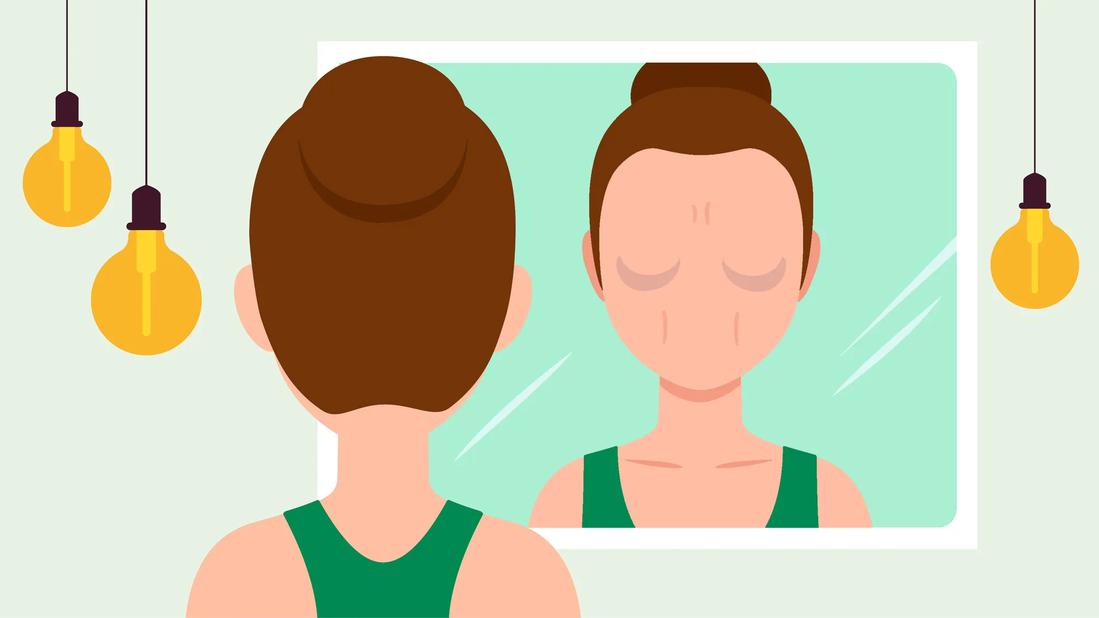
Image content: This image is available to view online.
View image online (https://assets.clevelandclinic.org/transform/3fc2be2c-ccec-48b6-bf31-bad15a781503/GLP1-medication-skin-affects-1859724961)
Person looking at face in mirror, seeing changes in their skin
GLP-1 medications can help you lose weight and manage obesity. But as the pounds come off, you may also notice unwanted changes, like loose skin, new wrinkles, and a different shape to your butt and breasts.
Advertisement
Cleveland Clinic is a non-profit academic medical center. Advertising on our site helps support our mission. We do not endorse non-Cleveland Clinic products or services. Policy
These changes are sometimes associated with buzzy social media terms like “Ozempic face” or “Ozempic butt.” But the medication itself doesn’t usually cause them. Instead, they’re often related to the rapid weight loss that can happen when you’re on a GLP-1.
Endocrinologist and obesity medicine specialist Keren Zhou, MD, explains why losing weight on a GLP-1 sometimes changes the way you look.
GLP-1-based medications like Wegovy®, Zepbound®, Ozempic® and Mounjaro® help you lose weight by suppressing hunger signals and reducing “food noise.” But as the pounds come off, fat loss isn’t limited to your waistline.
“You can also lose weight from areas of your body where fat provides volume and support, like your face, butt and breasts,” Dr. Zhou explains. “Weight loss in these areas of the body can change the way you look — and not just by making you look thinner.”
But the GLP-1 medications themselves don’t cause the changes. They can happen any time you lose a significant amount of weight very quickly, whether through diet and exercise, prescription medications or bariatric surgery.
Following rapid weight loss, your skin may:
Advertisement
One of the most talked-about appearance changes associated with GLP-1 medications is a thinner-looking face.
Subcutaneous fat is a type of fat that helps give your face structure. But quickly losing subcutaneous fat from your face and neck can make your face look:
“When facial fat decreases, the cheeks may look less full, which can make existing lines and wrinkles more noticeable,” Dr. Zhou explains. “Some people also develop mild skin laxity, which can make your face appear older than it did before weight loss.”
This phenomenon is sometimes called “Ozempic face.” But again, it isn't unique to Ozempic® or even to using GLP-1 medications. The same thing can happen after any type of significant weight loss.
“It’s an effect of rapid weight loss, not necessarily a side effect of a GLP-1 medication,” she adds.
Depending on the medication, some people may lose as much as 25% of their body weight while taking a GLP-1. But you don’t get to choose which part of your body that weight is lost from.
“Especially during rapid weight loss, fat is lost throughout the body,” Dr. Zhou notes. “That includes areas that help support your skin and the contours of your body.”
Rapid weight loss can change the appearance of areas like your:
These are all areas where fat contributes to volume and shape. Take, for example, the phenomenon sometimes called “Ozempic butt” (but again, not unique to weight loss from that medication).
“Both fat and muscle give your butt its structure. If you lose dramatic amounts of weight, you often lose muscle, too, and the combination can cause you to lose a lot of that volume from your butt,” Dr. Zhou explains. “If it happens very quickly, your skin can start to sag, creating a sort of sunken shape.”
But it’s not just about looks.
Dr. Zhou cautions that losing too much muscle can affect your strength and physical function and compromise overall health. In more serious cases, it may contribute to sarcopenia — the gradual loss of muscle mass, strength and physical performance — which can make everyday activities harder and increase your risk of falls.
When you start taking a GLP-1 medication, you might feel eager to lose weight right away. But focusing on slower, steadier weight loss may help ward off unwanted changes to your face, butt and the rest of your body.
“We want people to lose weight in a gradual manner,” Dr. Zhou states. “We don’t want you coming back to us after the first month having lost 10% of your body weight right off the bat.”
Advertisement
She explains some of the principles of sustainable weight loss on a GLP-1:
But Dr. Zhou cautions that even the most thoughtful approach may not be enough to fully prevent skin changes to your face and body.
“Some of it is unavoidable,” she acknowledges. “Some people are just going to lose weight from their face, butt, breasts or wherever else — that’s just where they lose weight from.”
Many of the skin changes associated with rapid weight loss are usually cosmetic, rather than medically harmful. There’s typically no health-related reason to be concerned about them. But talk to your provider if you’re concerned about a change or if loose skin is causing irritation or discomfort.
Advertisement
And when you’re on a GLP-1, your healthcare provider will want to track your progress, including how quickly you’re losing weight and whether you’re maintaining muscle.
“We monitor people very closely when they’re on a GLP-1 for weight loss,” Dr. Zhou says. “We want to know how much weight you’re losing and what your muscle definition is like. If we have concerns, we may drop your dosage or take a break from the medication to come up with an exercise plan that helps you build muscle.”
Changes to your face and body may seem especially visible when you look in the mirror. But these changes rarely tell the whole story of a GLP-1 medication’s effects.
“These aren’t just weight loss drugs,” Dr. Zhou emphasizes. “Data increasingly suggests that they may also have positive effects on your heart, kidney and liver. And researchers continue to study more ways they could have positive, long-term effects.”
Still, it’s valid to have concerns about how your appearance might shift when you’re taking a GLP-1. If you’re feeling nervous about the possibility of unwanted changes to your face and other areas of your body, raise those concerns (and any others) with your healthcare provider.
They’ll help you assess the potential benefits of treatment against the changes you may notice as you lose weight. Together, you can find the approach that best supports your health goals — and create a treatment plan that works for you.
Advertisement

Sign up for our Health Essentials emails for expert guidance on nutrition, fitness, sleep, skin care and more.
Learn more about our editorial process.
Advertisement
Abruptly ending treatment often comes with weight regain and other issues
Despite their name, these patches don’t contain GLP-1 medication and have dubious effects

Eat smaller meals, stay hydrated, avoid high-fat foods and, if needed, ask your doctor about switching to a lower dosage
Taking a smaller dose than what your doctor recommends isn’t a good idea

Both are GLP-1 medications that are FDA-approved for Type 2 diabetes and weight loss, but how they work differs
Healthy eating helps, but so do a lot of other strategies for improving your overall health and wellness

Exercising while taking semaglutide and other GLP-1s helps prevent muscle loss and boosts metabolism
Semaglutide and other GLP-1s work best as long-term medications

Managing your weight through physical activity may lower your chances of getting this common cancer

It typically starts in October and winds down in early spring, with cases at their highest in the middle of winter
Anxiety disorders, health conditions and past trauma can make driving nerve-wracking — help is available
 Search










