Locations:





Eat smaller meals, stay hydrated, avoid high-fat foods and, if needed, ask your doctor about switching to a lower dosage

Image content: This image is available to view online.
View image online (https://assets.clevelandclinic.org/transform/719ce0a0-4410-4e70-93e0-94e39168b8a7/reflux-1307458765)
Person sitting on couch wincing, with hand on upper chest
When you start taking a GLP-1 medication for weight loss, some effects kick in quickly, like feeling less hungry and experiencing less “food noise” than before. But it can take your body some time to adjust — and in the meantime, digestive side effects are common.
Advertisement
Cleveland Clinic is a non-profit academic medical center. Advertising on our site helps support our mission. We do not endorse non-Cleveland Clinic products or services. Policy
“The most common side effects of GLP-1 medications are all gastrointestinal: reflux, diarrhea, constipation and nausea, sometimes to the point of vomiting,” says endocrinologist and obesity medicine specialist Keren Zhou, MD.
If you’re experiencing unpleasant digestive side effects while taking a GLP-1, these strategies may help.
GLP-1 medications sometimes cause digestive problems because of the way they help you lose weight. It all comes down to how food moves through the digestive process, also known as gut motility.
“GLP-1 medications literally slow down how quickly your stomach empties out,” Dr. Zhou explains. “That means that what you eat, how much you eat and how quickly you eat it can all play a big role in how you feel.”
Here’s what Dr. Zhou recommends.
In the beginning — whether it’s your very first dose or your first increased dosage — Dr. Zhou recommends taking your GLP-1 medication on a not-too-full stomach.
“I typically recommend eating lighter in the 24 hours before you take your first GLP-1 shot,” Dr. Zhou advises. “Because the minute the medication goes in and slows everything down, you may end up feeling sick.”
That doesn’t mean skipping meals. Eating lighter means avoiding foods that may trigger symptoms (more on that in a moment). That includes anything that is:
Advertisement
“Don’t try to eat a ‘last hurrah’ meal before you start,” she cautions.
When you’re on a GLP-1, anticipate needing to eat smaller meals than before. Now that your stomach doesn’t empty as quickly, it just doesn’t have the same capacity it used to. That helps with weight loss — but it can also make for some uncomfortable post-meal feelings, especially in the beginning.
“If you try to eat a big meal on a GLP-1, you’ll quickly find out that it doesn’t really fit,” Dr. Zhou says. “Eating too much can cause you to feel pretty nauseated, and it can bring on a lot of reflux.”
Eating smaller but more frequent meals gives your stomach more time to digest in between, which can help keep digestive issues at bay. Think of it as giving your stomach a little breathing room between meals.
Pacing yourself throughout a meal — like by practicing mindful eating — can keep you from consuming so much that you bring on uncomfortable digestive symptoms.
But why? The faster you eat, the more you’re likely to eat. It all comes down to the connections between your body and mind. It can take your brain up to 30 minutes after eating to recognize that you’re full.
That means that as you’re eating, you can’t always tell when you’ve had enough. And when your stomach has a newly reduced capacity, it can take extra time for your body and brain to make that adjustment.
Some foods are known to worsen the side effects of GLP-1s. Not every food on this list will trigger every person who takes a GLP-1, but it can take some time to figure out what affects you.
“Many people who are on GLP-1s tell me that they know when they haven’t eaten well on the medication because their body reminds them,” Dr. Zhou shares. “You end up paying the price in terms of how you feel afterward.”
Try to limit or avoid:
Hydration is an essential part of the digestive process. It literally keeps things moving, making sure that your stool (poop) stays soft and mobile enough to make its way out of your body. But Dr. Zhou issues a word of warning about GLP-1s and dehydration.
“When you’re less driven to eat, you sometimes lose the drive to drink water, too,” she warns. “Sometimes, when people who take these medications aren’t feeling great, it turns out that they’ve forgotten to hydrate.”
Diarrhea can also cause dehydration. And dehydration can, in turn, cause or worsen constipation. In other words? It’s all connected — and staying hydrated helps you stay healthy.
Advertisement
If drinking water during mealtimes makes you feel full (which can keep you from eating enough), sip water throughout the day and between meals. It can help to set reminders and alarms to make sure you don’t forget.
Foods that contain fiber can help prevent or relieve constipation by adding bulk to stool and supporting healthy digestion. But timing matters.
If you’re already feeling bloating, fullness or GI (gastrointestinal) discomfort after taking your GLP-1 medication, upping your fiber intake may be a little too much for you to handle. It can make symptoms worse, especially if you eat more fiber than your body is used to.
“It’s often best to take it easy on high-fiber foods immediately after taking your GLP-1 medication,” Dr. Zhou advises.
Despite your best efforts to prevent side effects, there are days when you may still end up with tummy troubles. That can be especially tough amid the hustle and bustle of everyday life. Who has time for mid-workday diarrhea?!
If your symptoms are severe or don’t seem to be going away, make an appointment with your healthcare provider ASAP. Otherwise, Dr. Zhou says you can take steps to manage GLP-1-related digestive issues as they come up. Here’s what to try.
Advertisement
Advertisement
Digestive side effects can be a normal part of starting a GLP-1. But don’t just assume that nothing can be done to help.
“As with any medication, your doctor wants to be closely following how you’re feeling,” Dr. Zhou encourages. “So, if you’re on a GLP-1 and you don’t feel like you’re doing well, that’s something they want to know about.”
That doesn’t mean you’ll have to stop the medication. Your provider may recommend changes like:
When you’re in the thick of digestive issues, “Wait it out” is tough advice to follow. But Dr. Zhou says that GLP-1 side effects lessen and fade with time for most people.
“We think the body does adapt around the medication, to some extent,” she shares. “We often see that people experience their most significant side effects during the first three to four weeks on a GLP-1, when delayed stomach emptying is at its worst.”
But if side effects become severe, don’t try to power through them alone. Your healthcare provider may be able to adjust your treatment plan, recommend symptom-management strategies or determine whether another approach is a better fit.
It’s not common, but there are times when the digestive side effects of a GLP-1 make the medication too much to handle.
“There’s a small group of people for whom these side effects are so severe that they’re just, frankly, intolerable,” Dr. Zhou says. “In these cases, there’s no waiting it out. It’s just not the right medication for them.”
But this isn’t usually the case.
“More often than not, we’re able to get people to a place where they’re doing OK and continue the medication,” she continues. “For most people, strategies like eating smaller meals, hydrating and avoiding trigger foods can all go a long way toward making treatment more tolerable.”

Sign up for our Health Essentials emails for expert guidance on nutrition, fitness, sleep, skin care and more.
Learn more about our editorial process.
Advertisement
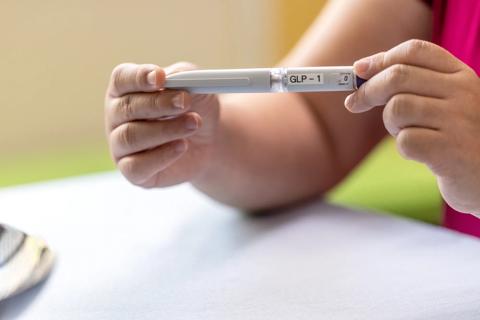
Abruptly ending treatment often comes with weight regain and other issues

Despite their name, these patches don’t contain GLP-1 medication and have dubious effects
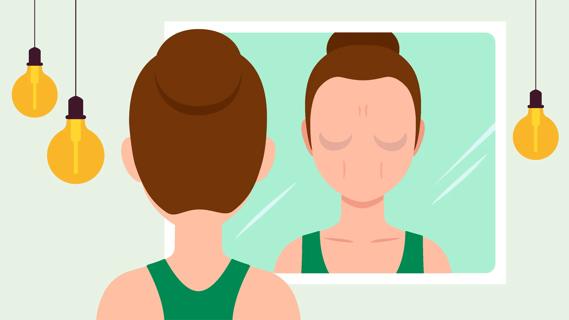
Rapid weight loss can cause loose skin, facial volume loss and body contour changes
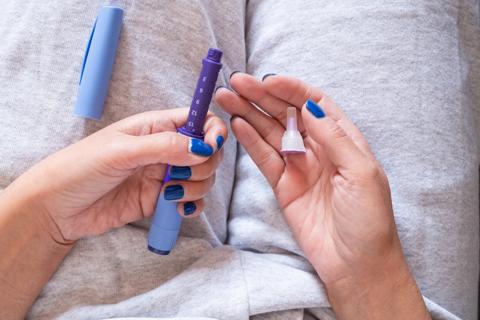
Taking a smaller dose than what your doctor recommends isn’t a good idea

Both are GLP-1 medications that are FDA-approved for Type 2 diabetes and weight loss, but how they work differs

Healthy eating helps, but so do a lot of other strategies for improving your overall health and wellness

Exercising while taking semaglutide and other GLP-1s helps prevent muscle loss and boosts metabolism
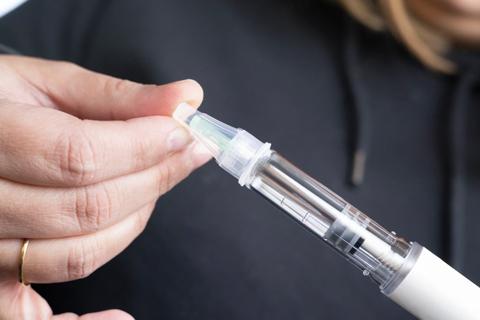
Semaglutide and other GLP-1s work best as long-term medications

Managing your weight through physical activity may lower your chances of getting this common cancer

It typically starts in October and winds down in early spring, with cases at their highest in the middle of winter

Anxiety disorders, health conditions and past trauma can make driving nerve-wracking — help is available
 Search










