Locations:





Abruptly ending treatment often comes with weight regain and other issues
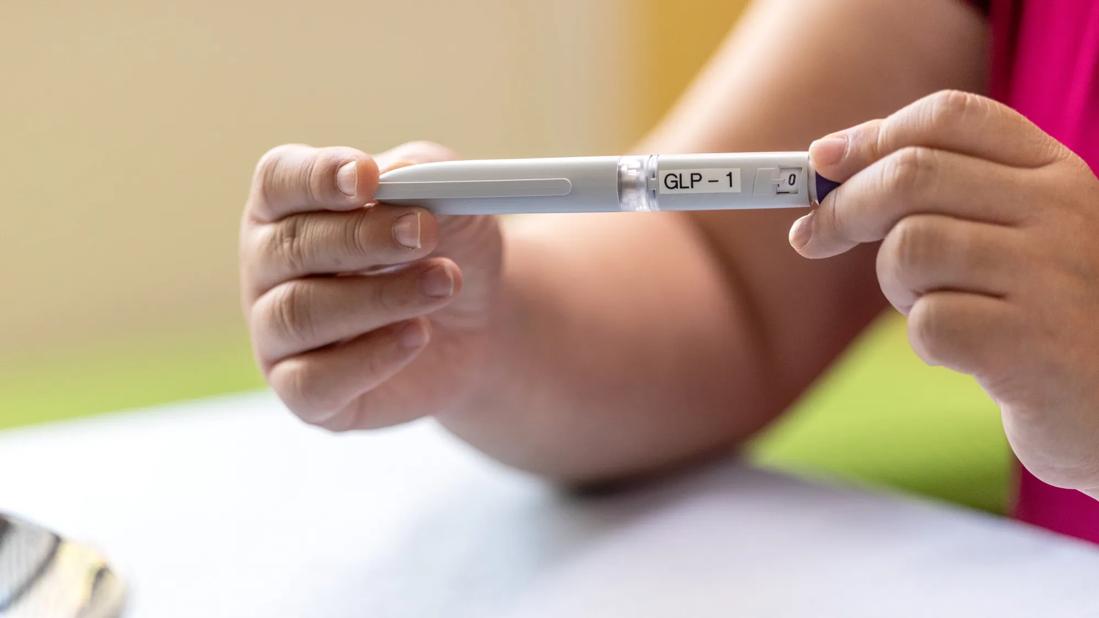
Image content: This image is available to view online.
View image online (https://assets.clevelandclinic.org/transform/081e43c4-c8fb-4a24-bc23-b20643a38c99/hand-holding-glp-1-2289531975)
Person holding GLP-1 injectable
GLP-1 medications like Ozempic® and Wegovy® can help you lose weight and keep the pounds off. But what happens to your body if you suddenly stop the treatment, as many people do within the first year?
Advertisement
Cleveland Clinic is a non-profit academic medical center. Advertising on our site helps support our mission. We do not endorse non-Cleveland Clinic products or services. Policy
We asked endocrinologist and obesity medicine specialist Peminda Cabandugama, MD, to explain the potential effects.
Ozempic and other GLP-1s are generally intended for long-term use as a weight and health-management tool. They can help you address chronic conditions like obesity, diabetes, heart disease and more.
If you suddenly stop taking your GLP-1, the benefits of the medication diminish over time. That can lead to:
Advertisement
“GLP-1s help address many metabolic conditions to improve your overall health and quality of life,” says Dr. Cabandugama. “It’s not just a weight-loss medication. It goes far beyond that to improve your overall health and quality of life.”
But the news isn’t always bad after stopping GLP-1s. Ending treatment also halts uncomfortable side effects that may come with the medication. (This is often a primary reason why many people decide to stop.)
That could help resolve issues like:
Making a plan offers your best chance of a positive outcome when stopping GLP-1 treatment.
Tapering off the medication with guidance from your healthcare provider may help with the transition, though there’s no established one-size-fits-all protocol. (Trying to “microdose” the medication on your own is not recommended, cautions Dr. Cabandugama.)
But what if you just stop taking it entirely? That doesn’t usually cause classic withdrawal symptoms, but it’s important to realize that there may be consequences (like those we already outlined).
Discontinuing Ozempic or other GLP-1 drugs without weight gain or associated issues often depends on whether you’ve adopted healthier daily routines. That could mean:
Basically, addressing more of the contributing factors behind obesity and associated chronic diseases improves your chances of long-term success without GLP-1s.
You can restart GLP-1s, but the medication often doesn’t work as effectively on subsequent uses. Lab-based research suggests that going on and off the treatment may make it less helpful.
“The effect may not be as robust,” shares Dr. Cabandugama. “The reason seems to be based on something known as ‘metabolic memory.’ Basically, your brain remembers what the medication does — and it takes steps to counteract it.”
That’s why consistency in a GLP-1 regimen seems to work best. The medications are intended for long-term “maintenance” use. They’re not meant to be something you start and stop as your weight fluctuates.
GLP-1s can help you manage obesity and other chronic conditions, but they’re not a cure. That’s why stopping the medication often opens the door for weight and other health concerns to return.
Talk to your healthcare provider before halting treatment to see what options might be available to you.
“If the medication is working for you and it’s not causing problems, it’s often better to stay on it if you’re able,” recommends Dr. Cabandugama. “Don’t only view GLP-1s as a way to reach a weight or health goal — look at them as a way to help you stay there.”
Advertisement
Advertisement

Sign up for our Health Essentials emails for expert guidance on nutrition, fitness, sleep, skin care and more.
Learn more about our editorial process.
Advertisement

Despite their name, these patches don’t contain GLP-1 medication and have dubious effects

Rapid weight loss can cause loose skin, facial volume loss and body contour changes

Eat smaller meals, stay hydrated, avoid high-fat foods and, if needed, ask your doctor about switching to a lower dosage
Taking a smaller dose than what your doctor recommends isn’t a good idea

Both are GLP-1 medications that are FDA-approved for Type 2 diabetes and weight loss, but how they work differs

Healthy eating helps, but so do a lot of other strategies for improving your overall health and wellness

Exercising while taking semaglutide and other GLP-1s helps prevent muscle loss and boosts metabolism
Semaglutide and other GLP-1s work best as long-term medications

Managing your weight through physical activity may lower your chances of getting this common cancer

It typically starts in October and winds down in early spring, with cases at their highest in the middle of winter

Anxiety disorders, health conditions and past trauma can make driving nerve-wracking — help is available
 Search










