Locations:





Focus on what you eat, how well you sleep and your physical activity to help keep your ticker in tip-top shape

Image content: This image is available to view online.
View image online (https://assets.clevelandclinic.org/transform/eeaae5f5-b856-4846-a36d-2c1879fb3a34/outdoor-running-2202993823)
Group of older people running outside
Your heart may be the most important organ in your body.
Advertisement
Cleveland Clinic is a non-profit academic medical center. Advertising on our site helps support our mission. We do not endorse non-Cleveland Clinic products or services. Policy
“Your heart is responsible for your circulation and your oxygen delivery. It utilizes the muscles you use every day,” says cardiologist Tamanna Singh, MD. “It keeps you alive.”
That means it’s vital that you keep your heart strong.
So, what can you do?
Dr. Singh shares tips for keeping your heart healthy.
Your heart needs fuel to work at its best — and to keep your blood vessels strong enough to support oxygen delivery to the rest of your body.
To do so, Dr. Singh recommends eating meals full of fruits, vegetables, whole grains and plant-based proteins. And keep your saturated fat low.
A good option to follow? The Mediterranean diet. It includes protein options like legumes, nuts and seeds, as well as types of fish (like salmon and tuna) that are high in omega-3 fatty acids. Omega-3 fatty acids are a good source of unsaturated fat and can help lower your blood pressure and cholesterol.
Research shows that people who followed the Mediterranean diet for five years had a 30% lower risk of heart attack, stroke and cardiovascular-related death than people who followed a reduced-fat diet.
Moving your body — ideally for at least 150 minutes each week — can do a lot of good for your heart. For example, exercise can help lower your cholesterol and blood pressure.
Advertisement
“Exercise can actually change how the heart looks,” says Dr. Singh. “Depending on the type of exercise, a lot of times, we’ll see hearts get a little larger. Sometimes, we’ll see hearts appropriately get a little thicker as it responds to the type of sports or activity that someone does.”
Exercise that can strengthen your heart includes:
“Any exercise, any movement, is movement in my book,” she notes. “It’s all about consistency.”
As you focus on physical activity, don’t forget about active recovery and rest days. Incorporating low-impact exercises into your routine, like stretching, breathwork and foam rolling, can help improve your flexibility and mobility.
“Those things all help with strengthening your parasympathetic nervous system and lowering your heart rate and blood pressure,” explains Dr. Singh. “The lower we can get your blood pressure after exercise, the less risk you’ll have for arterial stiffening or high blood pressure.”
And if you’ve had a heart attack, have heart failure or have had heart surgery, cardiac rehab can also help strengthen your heart by focusing on rebuilding your aerobic capacity.
You may be focused on the numbers on your scale. And while a healthy body weight can lower your risk of heart disease, high blood pressure and high cholesterol, there’s more to consider, says Dr. Singh.
“It’s more about your body composition,” she clarifies. “Focus on the ratio of your lean muscle mass and body fat. You want to target keeping that lean muscle mass up and bringing down that body fat. Those factors will help strengthen your heart and your circulation.”
Focusing on lifestyle changes, such as eating a heart-healthy diet and exercising, can help you reach your goals. Consider using apps on your phone to track your food and activity, or even having a discussion with a healthcare provider about weight loss medications.
Stress isn’t good for your heart. The more stress you have, the more cortisol your body produces. The hormone increases your heart rate and blood pressure — ultimately, putting more strain on your heart.
While there are many things you can do to reduce your stress, Dr. Singh recommends box breathing. This technique lowers stress, calms your mind and activates your parasympathetic nervous system.
“Deep and slow inhalation and exhalation can bring your heart rate and blood pressure down,” she explains.
Advertisement
Dr. Singh also likes getting in some exercise to help with stress. Even a walk around the block can stimulate endorphins, those helpful stress-reducing hormones.
Your body — and your heart — needs sleep to repair and recover. Less sleep than the recommended seven to nine hours a day can increase your risk of high blood pressure, atrial fibrillation or even heart failure.
If you’re struggling with getting enough sleep each day, Dr. Singh suggests creating a consistent sleep schedule.
By now, you probably know that smoking or using nicotine products is bad for your health. But how can it impact your heart?
“Smoking revs up your sympathetic nervous system, increases your resting heart rate. It can also increase your blood pressure,” outlines Dr. Singh. “Smoking can lead to atherosclerosis or peripheral artery disease.”
So, what can you do to quit smoking? There are a few successful methods, like using nicotine replacement therapy.
Also, consider talking to a healthcare provider for advice, joining a local support group or calling the U.S. Centers for Disease Control and Prevention (CDC)’s free telephone quit line at 800.QUIT.NOW (800.784.8669) for information on support and counseling.
Advertisement
Alcohol can increase your heart rate, raise your blood pressure and may lead to an irregular heartbeat. So, if you’re looking for ways to keep your ticker strong and healthy, consider cutting back on how much alcohol you drink.
“No alcohol should really be the goal,” notes Dr. Singh. “We know alcohol is a toxin. We know just one drink a day can increase your risk of colon cancer and breast cancer. If you’re looking to optimize your health, avoiding alcohol is one of the easiest things you can do.”
You may not automatically think of your mouth, teeth and gums as a way to keep your heart strong. But having poor oral health is associated with an increased risk of heart disease, atherosclerosis and even a stroke.
It’s just another reason why focusing on your oral health is vital. In addition to brushing and flossing daily, you should see your dentist twice a year for an exam and cleaning.
There isn’t a quick fix that will lead to a stronger heart. But small changes over time can make a significant impact and keep your heart strong. This means your heart is more efficient at delivering oxygen and nutrients and supporting all your other organs.
How can you tell if your heart is becoming stronger?
Advertisement
“You may start to see changes within four to eight weeks of making lifestyle changes,” encourages Dr. Singh. “And you can feel those changes. You may feel like your fitness is starting to improve and like you have more energy. You may notice you’re less stressed and have an easier time focusing on tasks.”

Sign up for our Health Essentials emails for expert guidance on nutrition, fitness, sleep, skin care and more.
Learn more about our editorial process.
Advertisement
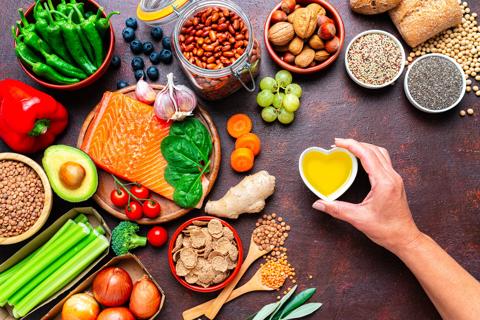
Eating more natural, whole foods can help lower your risk of heart and cardiovascular diseases

Age, sex and genetics are just a few factors that can affect your risk of developing coronary artery disease

You don’t have to wait until you have symptoms of heart disease to seek cardiology care

Move a little more, eat a little healthier, sleep a little better and destress a lot
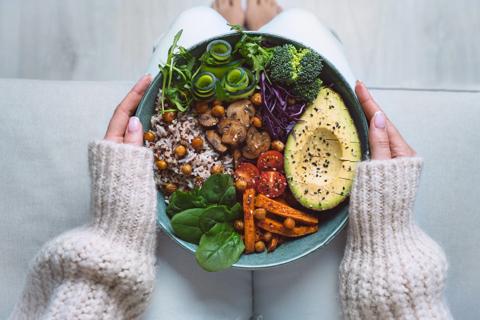
The Mediterranean diet, DASH diet or more plant-based eating plans can improve heart health
Having underweight, having overweight and having obesity can be dangerous for your heart

Avoid smoking, eat a good diet and exercise to prevent your heart from aging prematurely
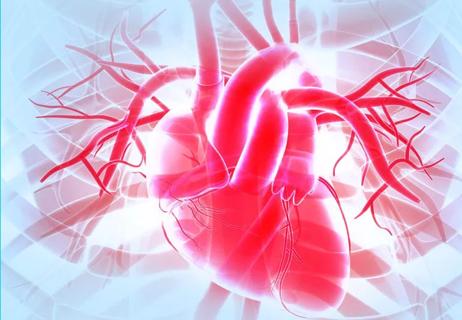
Your life depends on this incredible organ doing its job 24/7

Managing your weight through physical activity may lower your chances of getting this common cancer

It typically starts in October and winds down in early spring, with cases at their highest in the middle of winter

Anxiety disorders, health conditions and past trauma can make driving nerve-wracking — help is available
 Search










