Locations:





This multitasker can help keep your skin clear, support wound healing and disinfect surfaces around your home
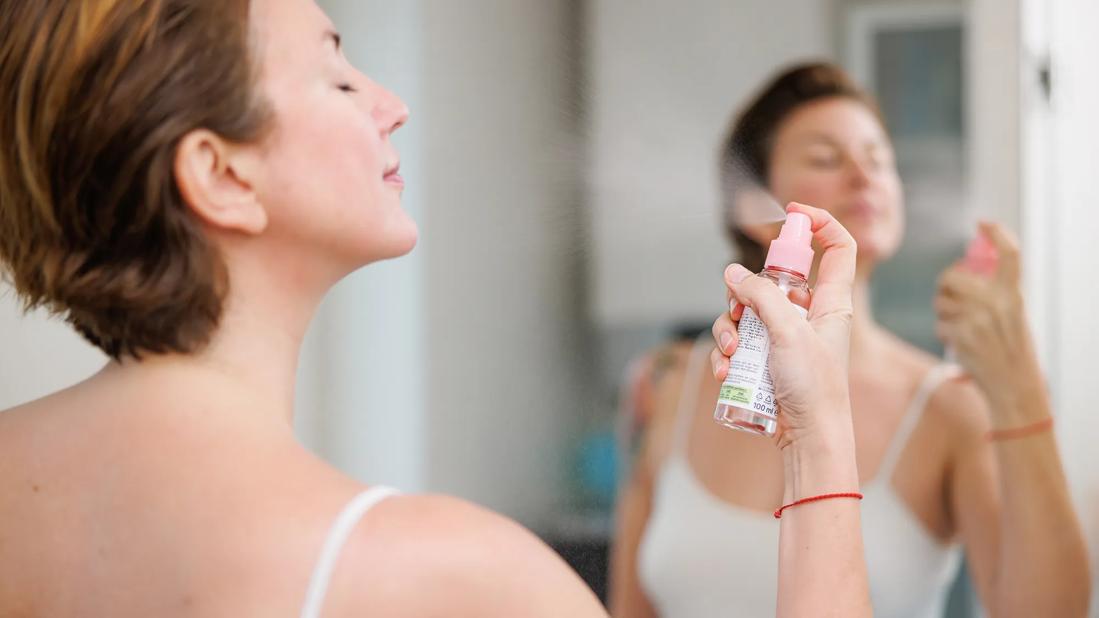
Image content: This image is available to view online.
View image online (https://assets.clevelandclinic.org/transform/a793d2d5-3784-42f2-bdac-d4e6e33edc95/facial-spray-skin-care-2202267681)
Person spraying skin care product on their face
Hypochlorous acid may sound like something found in a chemistry lab rather than the skin care aisle. But despite the intimidating name, it’s a popular and gentle disinfectant that promises everything from clearer skin to cleaner countertops.
Advertisement
Cleveland Clinic is a non-profit academic medical center. Advertising on our site helps support our mission. We do not endorse non-Cleveland Clinic products or services. Policy
Dermatology resident Sadia Tahir, MD, explains what hypochlorous acid is, how it works and where it belongs in your daily routine.
Hypochlorous acid (HOCl) is a naturally occurring compound your body makes as part of its immune response. When bacteria, viruses or other harmful germs invade your body, HOCl helps destroy them.
“Hypochlorous acid is one of your body’s natural defenses against infection,” Dr. Tahir explains. “It’s very effective at killing microbes, but it’s also very gentle on healthy tissue.”
Scientists have learned to recreate that same compound outside your body with a simple yet highly effective saltwater solution. That’s allowed manufacturers to harness the germ-fighting power of hypochlorous acid in skin care products, wound-care solutions and household cleaners.
Sorry to break it to you, but your skin is crawling with germs. Hypochlorous acid can help kill the bad ones without the drawbacks that come with using harsher ingredients. That’s why it’s become so popular in skin care products like facial sprays, serums and gels.
“It’s a great option for sensitive skin,” Dr. Tahir says. “For many people, it provides antimicrobial benefits without the burning or dryness you can get from harsher products.”
Advertisement
Specifically, HOCl may help:
Germ-fighting properties also make hypochlorous acid a popular ingredient in household cleaners and disinfectants. It’s used in products meant for everything from scrubbing your kitchen and shower grout to freshening up dog beds.
HOCI may help:
And HOCI does all of that while also being safe for use around kids and pets.
But pay attention to the label to know what you’re getting. Manufacturers use different formulas depending on whether a product is meant for your skin or your home. What’s safe to mist on your face isn’t the same as what’s designed to disinfect your toilet seat.
“Always use these products for their intended purpose,” Dr. Tahir emphasizes. “They’re not interchangeable.”
For most people, hypochlorous acid is considered very safe. Still, Dr. Tahir recommends a few precautions:
“There really isn’t much risk when you’re using these products as directed,” Dr. Tahir states. “Hypochlorous acid is pretty remarkable because it has powerful antimicrobial properties that don’t irritate most people’s skin.”
Advertisement

Sign up for our Health Essentials emails for expert guidance on nutrition, fitness, sleep, skin care and more.
Learn more about our editorial process.
Advertisement
This gentle facial cleanser removes dirt, oil and most makeup without drying out your skin
Warm water, lotion, cooking oils or nail polish remover may all help to loosen the adhesive
Educate your child about body image, expectations and skin care first
Coffee skin care products contain anti-aging and brightening benefits — but there may be better options
Although it could be used as a moisturizer, this new trend is not recommended

Changes in texture, smell, color and performance are signs it’s time to throw the cosmetic item away
Strengthening your skin barrier, simple routines and minimizing products are ongoing, popular trends
Glycolic acid benefits skin tone, texture and pigmentation by exfoliating dead skin

Managing your weight through physical activity may lower your chances of getting this common cancer
It typically starts in October and winds down in early spring, with cases at their highest in the middle of winter

Anxiety disorders, health conditions and past trauma can make driving nerve-wracking — help is available
 Search










