Locations:





 Search
Soap, water and an antibiotic ointment are your best bet
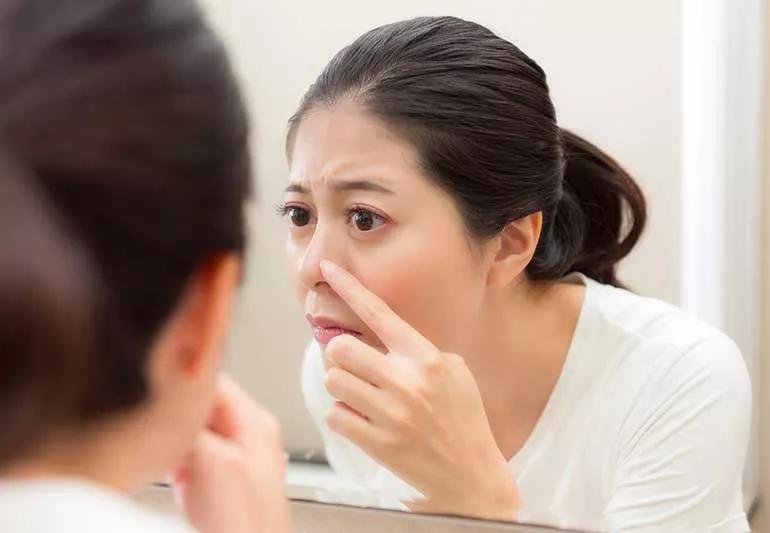
A nose piercing is a great way to express yourself, update your look or mark a milestone in your life. But all piercings come with the risk of infection, which isn’t cool if that piercing is in the middle of your face.
Advertisement
Cleveland Clinic is a non-profit academic medical center. Advertising on our site helps support our mission. We do not endorse non-Cleveland Clinic products or services. Policy
Infected piercings are common. Nearly 1 in 4 people with body piercings (except in their earlobes) have had an infection or other medical issue.
“Fortunately, your nose has a rich supply of blood that helps it heal quickly,” says family medicine provider Daniel Krajcik, DO. “Most nose piercing infections are minor and easy to treat at home.”
After getting your nose pierced, you can expect some mild pain, redness and clear fluid that forms a crust. With proper care, those symptoms should get better in a few days.
The main signs of infection around any piercing site, including your ears, belly button or nose, include:
“You shouldn’t have a fever with a mild infection,” notes Dr. Krajcik. “We typically only see a fever with more severe infections. That would be a rare but serious situation and you should immediately seek medical attention.”
The redness and irritation around your nose piercing could be due to an allergy. In fact, allergic reactions to metal piercings are more common than infections, says Dr. Krajcik. An allergic reaction is usually itchy and rash-like, with small, raised, red dots around the area.
Nickel, a metal often used in jewelry, frequently causes allergic reactions. Up to 20% of people may have a nickel allergy.
Advertisement
If you suspect an infection, Dr. Krajcik recommends that you:
Preventing an infection starts with choosing the right place to get your piercing. And don’t try piercing yourself, Dr. Krajcik warns. “The person piercing your nose should wear gloves and use sterilized equipment,” he says. “I recommend walking away if the environment isn’t clean.”
After getting your nose pierced, the highest risk of infection is in the first week. Keeping the area clean during this time is critical:
You may have a higher risk of infection after getting your nose pierced if you have certain health conditions, such as:
Take extra caution to keep the area around your nose piercing clean. Your healthcare provider may also recommend an over-the-counter antibiotic ointment to prevent an infection.
Talk to your healthcare provider if your symptoms don’t get better with at-home treatment or they worsen. “Getting seen sooner is better since severe infections are harder to treat,” states Dr. Krajcik.
The possible complications of an infected nose piercing include:
To clear up an infection, your provider may recommend a nonprescription antibiotic ointment or prescribe an oral antibiotic. Your provider can also figure out if your symptoms are due to an infection or an allergy. If you have an allergy, swapping the piercing for one made of a higher-quality metal should solve the problem.
Advertisement
The 1-2-3 on nose piercings:
With good care, your piercing will heal quickly, and you’ll be rocking your new look.
Advertisement
Learn more about our editorial process.
Advertisement
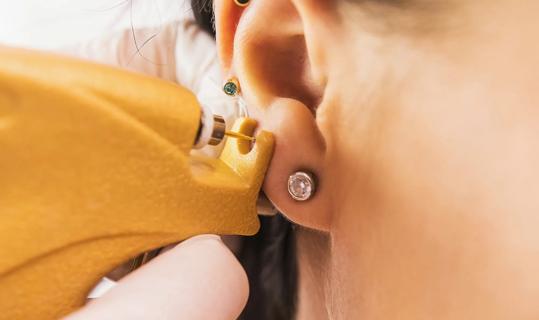
Earlobe piercings heal quicker and are less painful than cartilage piercings — proper cleaning and care are important

It isn’t risk free and shouldn’t replace the aftercare recommended by your piercer

Understand the risks and take precautions against infection
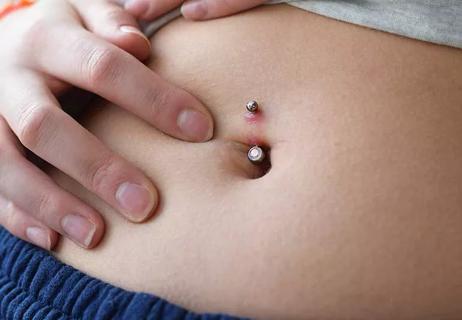
Twice-a-day cleaning with a saltwater solution can help you resolve (and avoid) problems

A dermatologist explains why it happens and how to address it
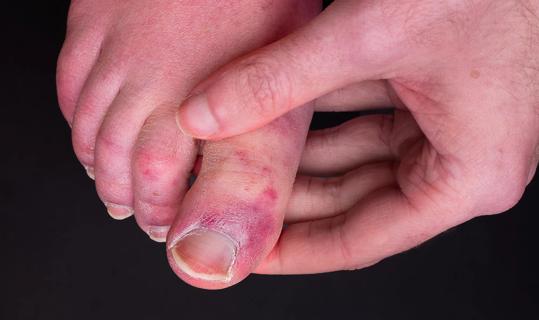
Chilblain-like skin lesions and rashes are mild (and rare) complications of many viral infections, not just COVID-19

They can feel similar, but the differences matter — especially if you’re at higher risk for complications

Understanding how your health information is recorded can help you take charge of your care
Wearing a scarf, adjusting your outdoor activities and following your asthma treatment plan can help limit breathing problems

Your diet in the weeks, days and hours ahead of your race can power you to the finish line

When someone guilt trips you, they’re using emotionally manipulative behavior to try to get you to act a certain way











