Locations:





 Search
Introverts refuel with quiet time, while extroverts thrive on connection
Are you an introvert or an extrovert? That seems like a straightforward question. But the answer isn’t always obvious, especially if you have preconceived notions of what both personality types look and feel like.
Advertisement
Cleveland Clinic is a non-profit academic medical center. Advertising on our site helps support our mission. We do not endorse non-Cleveland Clinic products or services. Policy
Health psychologist Grace Tworek, PsyD, talks through the differences and offers advice.
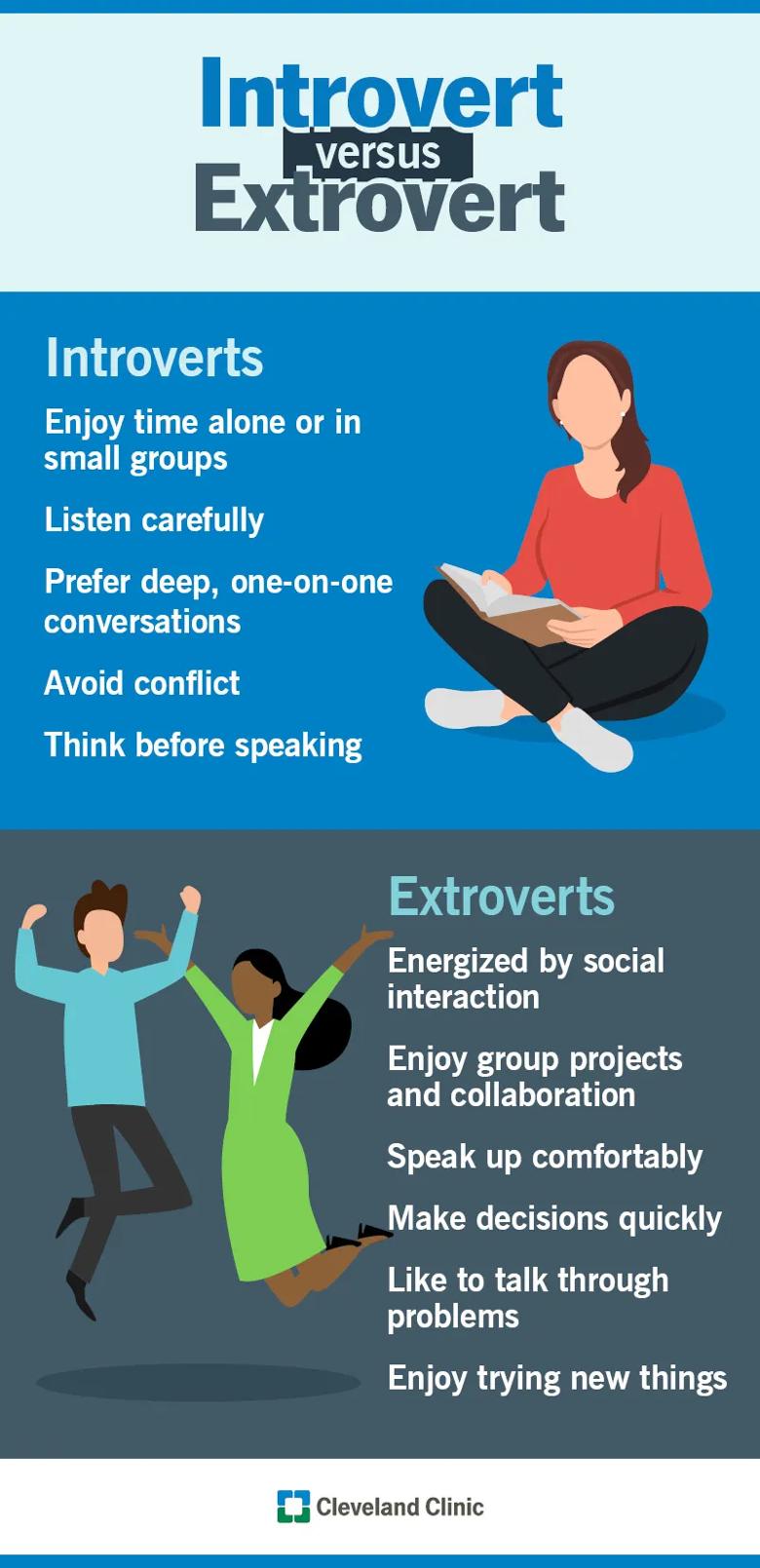
Image content: This image is available to view online.
View image online (https://assets.clevelandclinic.org/transform/4782dc6d-51ef-4a93-8d7b-4ffdd5de140d/introvert-extrovert-infographic)
The main difference between introverts and extroverts comes down to how you recharge and process the world around you.
“At its core, being an introvert or an extrovert is about how you get your energy,” Dr. Tworek explains. “It’s a matter of what stimulates you and what drains you.”
But it’s not always clear-cut. Personality types exist on a continuum. Some people may lean more drastically toward either introversion or extroversion. Others may find themselves closer to the center — a happy medium called ambiversion.
Introverts typically prefer reflection and independence. They thrive in quieter environments and find solitude restorative. Introverts tend to be deep thinkers and good listeners.
“Time alone gives introverts an opportunity to get their thoughts together and charge their batteries,” Dr. Tworek notes.
And while introversion is sometimes confused with being shy, there’s a difference. Shyness is a fear of being judged negatively by others. Introversion isn’t a matter of confidence or worrying about others’ opinions. It’s simply about preferring to have time for yourself to look inward and process your thoughts.
Advertisement
In other words, not all introverts are shy, and not all people who are shy are introverts.
Not every introvert checks all the boxes. But if several of these traits sound familiar, you may lean more toward the introverted side of the spectrum:
Extroverts are energized by social settings and being with other people. They often thrive in group environments and tend to think out loud.
“Extroverts may want to go out with friends after work, or want to meet up for drinks,” Dr. Tworek says. “They’re at their best when they’re around others.”
Extroverts are often seen as outgoing and confident, and many are natural leaders.
Of course, not all extroverts are the same. But if these traits resonate with you, you likely lean toward extroversion:
There’s no “better” personality type. Both introverts and extroverts bring important strengths to the table. And they can have their challenges, too. Which is more helpful for you depends on the situation.
For example, if you’re an extrovert, teaching a classroom full of rowdy kindergarteners might feel fun and exciting. For an introvert, that could be overstimulating and tiring.
If you’re an extrovert, crunching numbers at a desk all day may feel isolating and draining. For an introvert, that kind of intellectual work can be invigorating.
“There are positive qualities that come with both introverts and extroverts, as well as drawbacks,” says Dr. Tworek. “We can actively work on developing traits from personality types to better suit our needs in specific circumstances.”
If your tendencies aren’t serving you well at times, take a chance to practice developing skills from the other side of the personality continuum. For example:
“The first step is just noticing the traits you want to build,” Dr. Tworek advises. “With a little effort and practice, you can tap into the best of both worlds.”
Advertisement
Advertisement

Sign up for our Health Essentials emails for expert guidance on nutrition, fitness, sleep, skin care and more.
Learn more about our editorial process.
Advertisement
Otroversion is all about making connections on your own terms

Openness, conscientiousness, extraversion, agreeableness and neuroticism all shape your core identity

Type A characteristics can fuel success, but they can also be a source of stress
Ambiverts tend to balance traits of both introverts and extroverts — and they’re more common
Both types display introverted and extroverted tendencies, but the difference lies in the extremes

Extroverts are energized by people and places around them and tend to process thoughts out loud
Introverts tend to seek alone time to gain energy — they may keep small, close groups of loved ones and often think before they speak
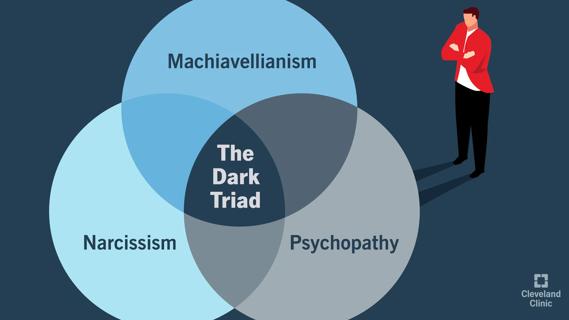
This personality type involves three overlapping traits: Machiavellianism, narcissism and psychopathy

Gradually increasing your training, choosing proper footwear and listening to your body can help keep shin pain from sidelining your workouts

Self-stimulating behaviors can help you self-regulate or cope with intense emotions

At-home remedies may help calm symptoms and make it easier to relax at bedtime











