Locations:





 Search
Keto can reduce blood sugar, but that doesn’t mean it’s right for everyone

Image content: This image is available to view online.
View image online (https://assets.clevelandclinic.org/transform/e7fe99df-e7a9-4f36-96f6-03c11ed5f1b3/prepping-chicken-2150613705)
Person slicing raw chicken on cutting board, with oil and spices
The ketogenic diet (or “keto diet”) stresses eating fats and proteins and severely limits carbohydrates and sugars. Because controlling carbs is important to managing Type 2 diabetes, it may seem that keto would be a go-to diet for people living with diabetes.
Advertisement
Cleveland Clinic is a non-profit academic medical center. Advertising on our site helps support our mission. We do not endorse non-Cleveland Clinic products or services. Policy
While the keto diet may be effective for some people living with Type 2 diabetes, there’s a lot more to consider, says registered dietitian Melissa Matteo, RD, LD.
Let’s learn more about the pros and cons of the keto diet for people with diabetes.
When you’re on the keto diet, you avoid foods that contain carbohydrates — including grains and most fruits — and instead, load up on proteins and fats (think meats, eggs, cheese, oils, nuts and seeds). The goal is to have your body convert fat into energy instead of eating up those easy-to-convert carbohydrates.
When your body is running on fats (in a state of ketosis), you’ll burn off more calories. That means you ultimately lose weight because your body is putting in some serious work to keep the juices flowing.
While research shows that the keto diet is effective for managing Type 2 diabetes by lowering blood sugar (glucose) and promoting weight loss, researchers also caution that the keto diet can be notoriously difficult to stick with. Plus, research on keto’s long-term effectiveness and risks is still in its early stages.
The keto diet can be done safely and effectively for some people living with diabetes. Matteo says determining whether it’s right for you is a question of weighing the pros and cons and talking with your doctor.
Advertisement
“Diabetes is a lifelong condition, so you need to consider the sustainability of such a restrictive eating pattern,” she advises. “Restrictive meal plans like keto can be effective, but it’s not always the right choice when it comes to the long term.”
The ketogenic diet may help people living with Type 2 diabetes:
The ketogenic diet does pose some potential risks. It may:
By cutting carbohydrate intake to essentially zero, following a strict keto diet has been shown to lower blood sugar levels. But for people with diabetes, Matteo cautions that low blood sugar should be avoided.
“For people with diabetes, there’s cause for concern if their blood sugar drops too low,” she continues. “Low blood sugar is especially a risk if you’re also on certain diabetes medications or taking insulin.”
Monitor your blood glucose levels regularly and speak with your doctor if you notice signs of hypoglycemia, like:
“Hypoglycemia is a potentially dangerous condition that can occur for people with diabetes when your food intake is reduced or if the medication type or dose isn’t the right fit,” she stresses.
“Before you start any restrictive eating pattern on your own, you should talk with your doctor or registered dietitian,” Matteo emphasizes. “They can help you understand your options, advise you on whether any particular diet could benefit you and help you understand any risks.”
The bottom line? The best diet for Type 2 diabetes is the one that manages your diabetes, works for your lifestyle and is sustainable.
“Managing diabetes with diet truly takes an individualized approach,” Matteo notes. “There’s a lot to consider, in terms of your health needs and your goals. Keto can help some people manage their diabetes, but it’s not right for everyone.”
Advertisement

Sign up for our Health Essentials emails for expert guidance on nutrition, fitness, sleep, skin care and more.
Learn more about our editorial process.
Advertisement

Remission is possible for Type 2 diabetes, but it requires significant, sustained changes to your health

Avoiding outside messaging may be difficult, but you can change how you think about T2D

Track your blood sugar levels and pay attention to any symptoms, like feeling thirstier than normal

Prioritize your health by managing stress, strengthening your social connections and getting quality sleep

Opt for foods that have a mix of protein, fiber and healthy fats

Pack extra medication and supplies, bring healthy snacks and set reminders

Use the ‘plate method’ to create a meal with non-starchy vegetables, lean proteins and carbs
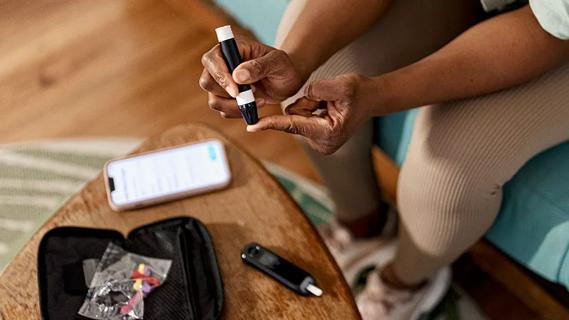
Type 1 diabetes happens when your body doesn’t make insulin, while Type 2 happens when your body can’t use insulin properly

Your period may occasionally line up with someone else’s, but science suggests coincidence is responsible — not a mysterious biological connection

Most penis-enlargement products, devices and procedures deliver only modest (if any) gains

Make meals with lean proteins, non-starchy vegetables and complex carbohydrates











