Locations:





Make meals with lean proteins, non-starchy vegetables and complex carbohydrates

Image content: This image is available to view online.
View image online (https://assets.clevelandclinic.org/transform/e1f360cd-c46c-48ef-b90f-c3689f0c6d7f/gestational-diabetes-2164605288)
Pregnant woman at appointment with their healthcare provider
Gestational diabetes isn’t your fault. Pregnancy hormones can make it harder for your body to use insulin. But the foods you choose to eat can help keep your blood sugar in a healthy range to keep complications at bay.
Advertisement
Cleveland Clinic is a non-profit academic medical center. Advertising on our site helps support our mission. We do not endorse non-Cleveland Clinic products or services. Policy
Registered dietitian Tegan Bissell, RD, LDN, CDCES, along with diabetes educator and registered nurse Megan Asterino-McGeean, BSN, RN, CDCES, explain what healthy eating with gestational diabetes looks like.
A gestational diabetes diet balances complex carbohydrates with lean proteins and healthy fats to keep your blood sugar levels steady, Asterino-McGeean explains.
“It also has the nutrients needed to support a healthy pregnancy for both you and the fetus,” she says.
“During pregnancy, the placenta makes hormones that make it harder for insulin to do its job,” explains Asterino-McGeean. “As a result, your blood sugar can rise more easily, especially after carbohydrate-heavy meals and snacks.”
High blood sugar levels during pregnancy can be dangerous, bringing possible risks, like a larger-than-average baby and the need for a C-section.
That’s why what you eat can play such a big role in managing gestational diabetes.
Let’s take a closer look at the types of foods to opt for.
Protein helps you feel full, and it slows digestion. It’s also an essential building block for fetal growth.
“Lean” means the protein is lower in total fat compared to other types of protein. Examples include chicken, eggs, fish and tofu.
Advertisement
“It’s especially important to eat protein at breakfast for more stable hunger levels throughout the day,” Bissell says. “This may also help lessen morning sickness.”
Non-starchy vegetables are packed with important vitamins, minerals and fiber for both you and the fetus.
“They’re so low in carbs that you can consider them ‘freebie’ foods,” Bissell notes.
Non-starchy vegetables include:
Healthy fats help you feel full and are beneficial for heart health. They include avocado, seeds, nuts and nut butters, and olive oil.
Carbs are a key source of energy, fiber and certain nutrients.
“Complex carbohydrates digest more slowly than simple and refined carbs, like sugar,” explains Bissell. “So, they tend to cause smaller blood sugar spikes”
Complex carbs include:
So, what does this balance of food look like? Here’s just one day’s worth of gestational diabetes meal ideas.
Breakfast
Lunch
Dinner
Three snack ideas
Some foods are more likely to cause blood sugar spikes. If you have gestational diabetes, Bissell says it’s best to limit or avoid:
Seeing some of your pregnancy cravings on this list may feel discouraging. But you don’t have to be perfect.
“It’s about balance and moderation,” Asterino-McGeean encourages. “Aim for healthy eating patterns most of the time."
And keep in mind that gestational diabetes won’t last forever. Once your baby is here, it’ll be safer to indulge your salty-sweet favorites.
You may know which foods are most helpful to eat. But putting that knowledge into action can be challenging, especially while you’re balancing all the other ups and downs of pregnancy.
Here are some tips to keep in mind as you manage gestational diabetes:
Advertisement
It’s not easy doing the work of a body system that’s usually automatic. Be kind to yourself and celebrate each small win. If you feel like you’re fighting an uphill battle, ask your healthcare provider for help.
“In some cases, diet alone isn’t enough to manage gestational diabetes,” Asterino-McGeean recognizes. “Your healthcare team may suggest medication to help your body get what it needs.”
Advertisement

Sign up for our Health Essentials emails for expert guidance on nutrition, fitness, sleep, skin care and more.
Learn more about our editorial process.
Advertisement
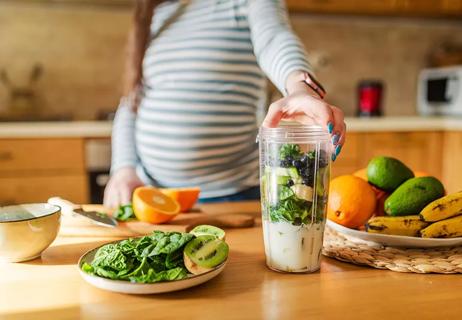
Watch your diet, exercise regularly and get a blood glucose level screening early
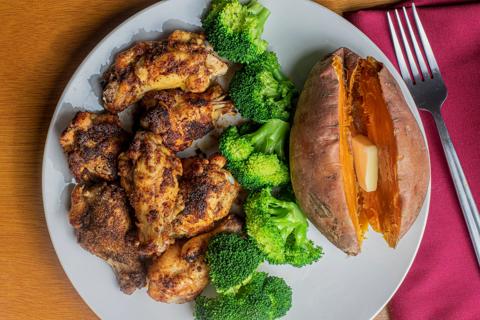
Fill your plate with lean proteins, non-starchy vegetables and complex carbohydrates

From personal items to baby blankets, be sure to pack for labor and delivery a month or two before your due date
Proper timing and storage matter when it comes to harvesting this liquid gold
Focus on exercise, healthy eating and weight management to help lower your risk

This antiviral treatment can help you avoid flu complications

Limit your caffeine intake to no more than 200 milligrams a day, including caffeinated food and drinks

No one can predict exactly how your labor will go — but you can share your preferences

Managing your weight through physical activity may lower your chances of getting this common cancer

It typically starts in October and winds down in early spring, with cases at their highest in the middle of winter

Anxiety disorders, health conditions and past trauma can make driving nerve-wracking — help is available
 Search










