Locations:





 Search
This amino acid is touted for relaxation and mental clarity, but current research remains inconclusive
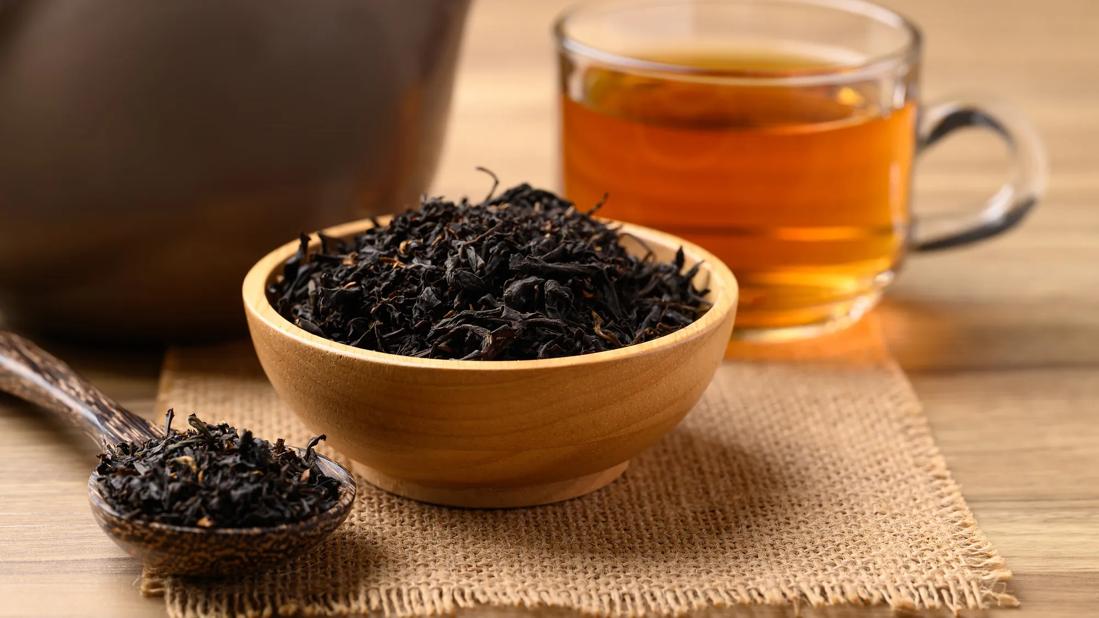
Image content: This image is available to view online.
View image online (https://assets.clevelandclinic.org/transform/44b3192e-91af-4e74-bef2-aed5b5689b61/black-tea-l-theanine-2191989684)
Bowl and spoonful of black tea, with glass mug of tea near
The amino acid L-theanine is having a big moment. It’s showing up in supplements, stress-relief blends and “calm focus” products. And it’s filling social media feeds with big promises about relieving anxiety, improving sleep and sharpening mental clarity.
Advertisement
Cleveland Clinic is a non-profit academic medical center. Advertising on our site helps support our mission. We do not endorse non-Cleveland Clinic products or services. Policy
But the science behind it is far from definitive.
“There’s growing interest in L-theanine, and there’s some promising research,” says naturopathic medicine specialist Jacob Hill, ND. “But we don’t have enough evidence to say it treats any specific condition.”
So, what is L-theanine, and is it worth trying? Dr. Hill shares what you should know before you add it to your routine.
L-theanine is a non-essential, non-protein amino acid found mostly in tea leaves (like green and black tea) and in some mushrooms.
What does that mean?
“Amino acids are often thought of as the building blocks of protein, but L-theanine is a little different,” Dr. Hill clarifies. “It’s not one of the amino acids used to build proteins in humans, and it’s not something your body needs to survive. People have started to use it as a dietary supplement for potential health benefits, but our bodies don’t depend on L-theanine to function properly.”
Instead of being included in proteins, L-theanine appears to affect brain chemistry.
Dr. Hill explains that L-theanine affects neurotransmitters — the chemical messengers in your brain that help regulate your mood, stress and focus. In particular, it’s linked to changes that promote alpha brainwave activity, which is associated with a state of calm, focused relaxation.
Advertisement
That’s part of the reason L-theanine has gotten a reputation for being soothing. But it’s not the whole story.
If you pick up a bottle of L-theanine supplements, you’ll see a wide range of claims — from better sleep to sharper focus.
There’s some research behind these ideas. But overall, the evidence isn’t strong enough to be considered conclusive. Current studies are limited by:
Without more research to go on, healthcare professionals aren’t turning to L-theanine as a first-line treatment.
“The research is trending in a positive direction,” Dr. Hill notes. “But we don’t have strong enough evidence yet to recommend it as a primary treatment for specific health conditions.”
Let’s take a look at where the science stands.
Perhaps the most studied benefit of L-theanine lies in the idea that it may lower stress and promote relaxation. Because it affects neurotransmitters in your brain, the thinking is that L-theanine may help shift your body into a calmer state.
“This is one of the more heavily studied potential benefits,” Dr. Hill says. “It appears that L-theanine may support relaxation and stress reduction, but larger studies are needed to confirm these findings.”
Results can vary from person to person. And we don’t have a strong enough understanding of its effects to consider it a replacement for proven strategies to lower stress and anxiety.
Some research suggests L-theanine may help you get better sleep, especially by promoting relaxation before bedtime.
But it’s not a sleep aid in the traditional sense: It hasn’t been shown to induce sleep directly.
For example, in some studies that suggest L-theanine can promote better sleep, the L-theanine supplements studied also included several other sleep-supportive ingredients. That makes it difficult to parse out how much of the effect comes from L-theanine itself.
L-theanine is sometimes promoted for focus and cognitive performance.
Some people will tell you it can help with “relaxed focus” — like when you’re “in the zone” and your brain seems to be well focused without much effort or stress. Or like giving you a bit of energy, without the crash that comes after downing an energy drink or too much coffee.
But once again, the results aren’t definitive.
Some people may report better mood or energy when taking an L-theanine supplement. But it’s tough to draw a line directly from L-theanine to those benefits.
Advertisement
“If sleep improves or stress goes down, you might feel more energized,” Dr. Hill explains. “But again, larger, long-term studies are needed to fully establish these benefits.”
Short-term studies suggest L-theanine is relatively well tolerated in many adults, but long-term safety data are limited.
From what we do know, the side effects of L-theanine are usually mild. They may include drowsiness and headaches.
“The safety profile looks fairly good, particularly in lower doses or when you’re getting it from tea,” Dr. Hill notes.
But that doesn’t mean it’s risk-free or right for everyone. Keep these important caveats in mind:
Advertisement
If you’re curious about what L-theanine does and whether it’s worth trying, it helps to keep your expectations realistic.
“I wouldn’t recommend it as a first-line treatment for a specific health condition,” Dr. Hill emphasizes. “But for relaxation or stress support, it may be worth discussing with your provider.”
If you do want to try it:
Remember: Supplements aren’t the only way to manage stress. And in a lot of cases, they’re not your best bet.
“Lifestyle approaches should always come first,” Dr. Hill encourages. “Things like exercise, stretching, yoga or other stress-management techniques can be very effective and good for your body as well as your mental health.”
Advertisement

Sign up for our Health Essentials emails for expert guidance on nutrition, fitness, sleep, skin care and more.
Learn more about our editorial process.
Advertisement

This nutrient-rich fruit offers a surprisingly long list of potential health benefits, like lowering blood sugar and boosting brain health
Packed with vitamins and nutrients, watermelon can be enjoyed all year ’round

With a sweet, tangy flavor, this tropical fruit is versatile, nutrient-rich and full of antioxidants
These versatile little fruits are full of powerful antioxidants that can help fight cell damage, manage cholesterol, boost body functions and more

These sweet red berries benefit your memory, boost your immune system and keep your heart healthy

These tasty little fruits can help fight inflammation, improve digestion and stabilize blood sugar
This legume is a good source of plant protein and fiber
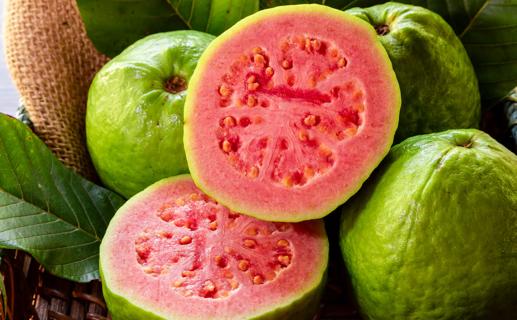
The superfood is high in vitamin C and can help improve your digestion and boost your immune system

These tiny saltwater larvae can get trapped under your swimsuit and trigger an itchy reaction called seabather’s eruption

Searching nature for edible items requires training and knowledge to avoid poisonous plants

Yes, but you can protect yourself with hats, scarves or even hair sunblock











