Locations:





The superfood is high in vitamin C and can help improve your digestion and boost your immune system
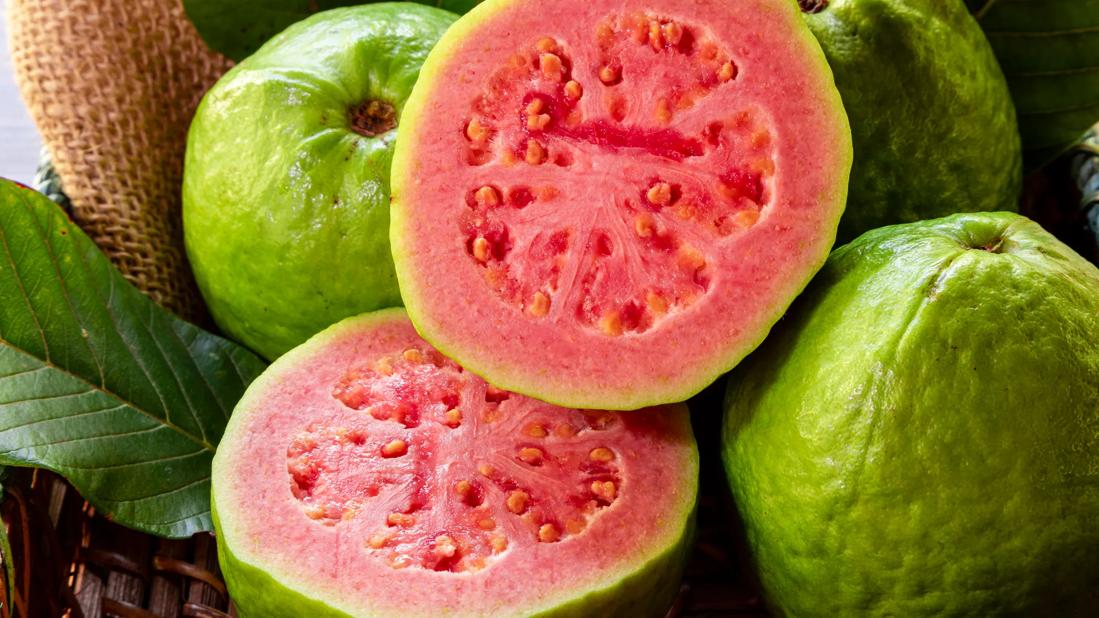
Image content: This image is available to view online.
View image online (https://assets.clevelandclinic.org/transform/5a2f078d-e3d3-491e-a09c-c9dce9778f81/guava-fruit-1224636159)
Whole and sliced open guava fruit
When you think of fruit, you might picture apples, bananas and oranges.
Advertisement
Cleveland Clinic is a non-profit academic medical center. Advertising on our site helps support our mission. We do not endorse non-Cleveland Clinic products or services. Policy
Ready to mix it up? Try guava, a fruit that grows on trees native to Central America. It’s a good source of vitamin C that may also help ease digestion and support heart health.
Registered dietitian Julia Zumpano, RD, LD, shares what we know about the health benefits of guava.
Guava fruit is considered a superfood. It’s a tropical fruit with a similar texture to pears, but a sweeter flavor. The leaves are edible and are often used to make an herbal tea.
One cup (or 165 grams) of raw guava has approximately:
It also provides these nutrients:
“Guava is high in vitamin C, containing more than 119% of the daily value,” says Zumpano. “It’s also one of a few fruits that has protein with about 4 grams per cup.”
Yes. Guava is full of nutrients that can support your health in a variety of ways. Zumpano outlines the potential health benefits of the fruit.
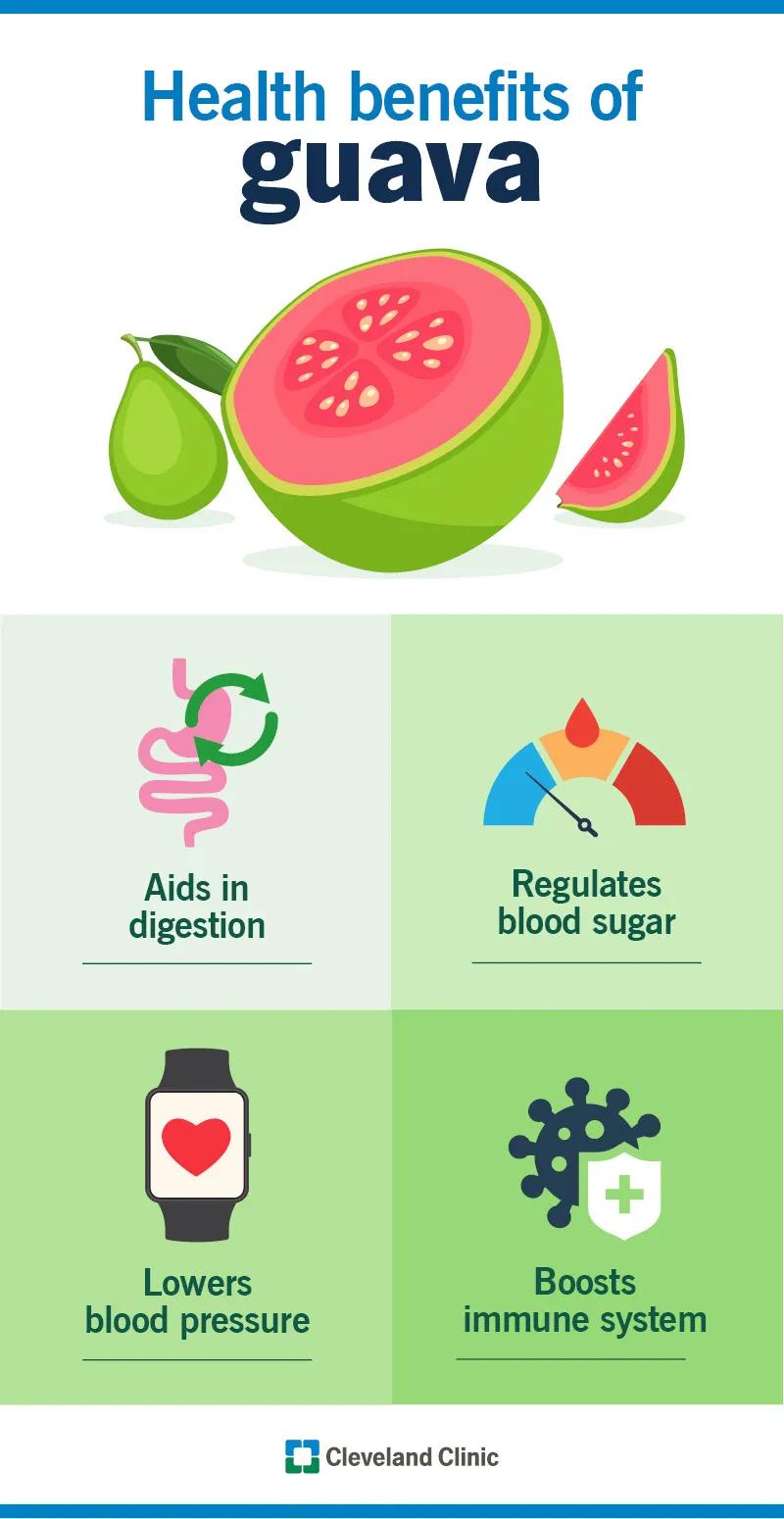
Image content: This image is available to view online.
View image online (https://assets.clevelandclinic.org/transform/b2a311c6-1244-4e11-a270-7fc3654adbe5/guava-infographic)
You can get about 9 grams of fiber per cup of guava. That makes it a good move for your gut microbiome.
“Guava can help you have regular bowel movements and relieve constipation,” says Zumpano. “The fiber in guava can aid in binding stool to aid in the prevention of diarrhea.”
Advertisement
Research shows that eating guava may help lower high blood pressure, which may be thanks to nutrients like potassium.
Experts say getting enough potassium is important — not only as a preventive measure for your heart health, but also as a possible treatment for people with hypertension (high blood pressure).
Research shows guava may be a smart choice for people with Type 2 diabetes, as it’s a low glycemic index food.
“Low glycemic index foods like guava take longer for your body to absorb and digest, which means your blood sugar won’t spike, and it provides you with sustained energy,” says Zumpano.
Vitamin C is often linked to helping fend off colds and the flu. While oranges usually get the credit, one guava actually packs about three times more of the essential nutrient.
“While vitamin C isn’t proven at preventing a cold, research shows eating foods high in vitamin C, like oranges and guava, can help reduce how severe a cold may be,” says Zumpano.
Guava is generally safe to eat. But eating too much guava may lead to some digestive issues, like:
Also, some people may experience an allergic reaction to the fruit. In this case, you should avoid guava and seek advice from a health professional.
There are many ways to enjoy guava. You can eat it fresh, add it to a smoothie or fruit salad, or use guava jam or paste in your baking.
“The goal is to eat three to four servings of fruit per day,” says Zumpano. “Adding guava to the mix can decrease the chance you’ll get bored with your meals. It’s high in fiber and a great source of vitamin C.”
Advertisement

Sign up for our Health Essentials emails for expert guidance on nutrition, fitness, sleep, skin care and more.
Learn more about our editorial process.
Advertisement

From sauerkraut to kimchi, these foods can help keep your gut healthy
This East Asian and subtropical fruit is packed with delicious nutrition
Lean meats, fish, dairy and plant proteins can help you meet your protein needs without piling on saturated fat and sugar

Choosing snacks with protein can help curb hunger, support muscle health and keep your energy steady between meals

Fish packs plenty of protein, heart-healthy fats and other body-boosting nutrients into every bite

Both are healthy choices, but wild-caught salmon offers a few more benefits
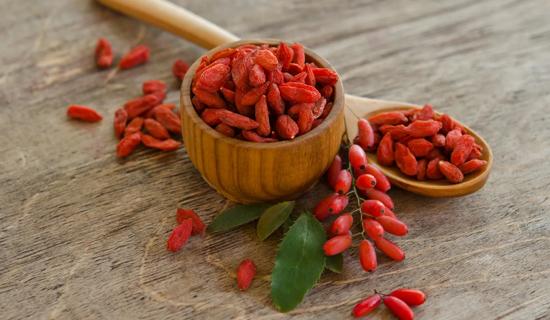
These bright berries are packed with nutrients and antioxidants that may support your eyes, immune system and overall well-being

The general rule is 1.2 to 1.6 grams of protein per kilogram of body weight — but that may not be exactly right for you

Managing your weight through physical activity may lower your chances of getting this common cancer

It typically starts in October and winds down in early spring, with cases at their highest in the middle of winter

Anxiety disorders, health conditions and past trauma can make driving nerve-wracking — help is available
 Search










