Locations:


This tiny fruit offers fiber and vitamin A in a sweet-tart little package
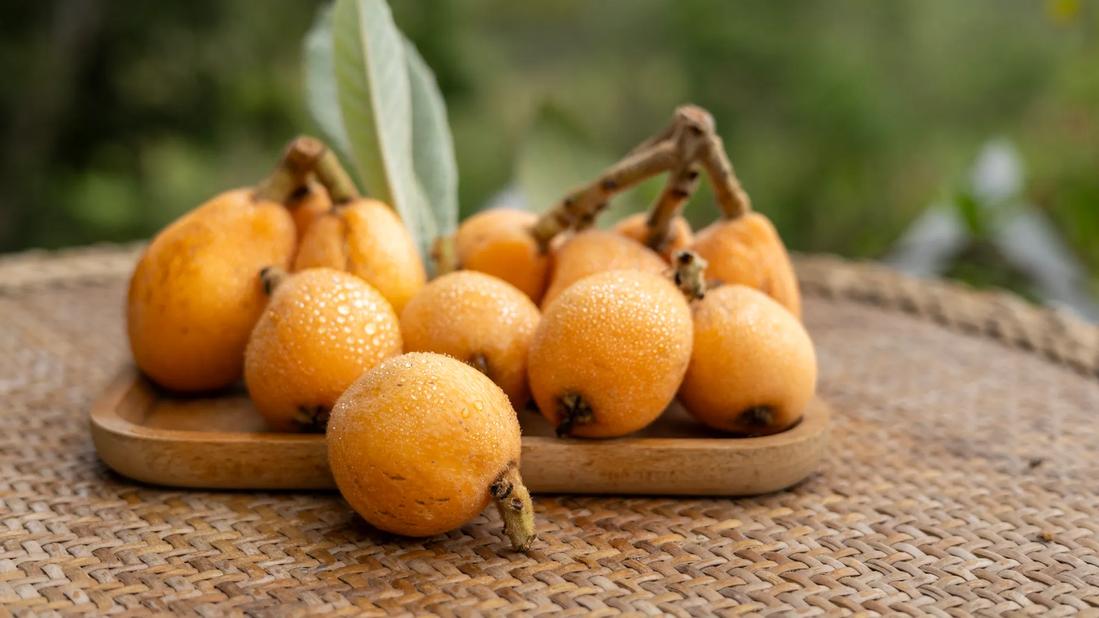
Image content: This image is available to view online.
View image online (https://assets.clevelandclinic.org/transform/10d77959-8d8b-411a-a35b-93f40e24fc86/loquats-2268396845)
Loquats on a table in an outdoor garden
It can be easy to confuse loquats with apricots. Both types of fruit are small and yellowish orange with a sweet-tart flavor. But loquats have juicier flesh and contain seeds instead of one single pit. So, unlike apricots, they aren’t considered a stone fruit.
Advertisement
Cleveland Clinic is a non-profit academic medical center. Advertising on our site helps support our mission. We do not endorse non-Cleveland Clinic products or services. Policy
Research on loquats and their health benefits is limited, but there’s plenty to like — including being a good source of fiber and essential nutrients.
Registered dietitian Beth Czerwony, RD, LD, explains what we need to know about the golden fruit.
Native to China, these little oval fruits grow on trees. They come in different varieties and colors, like yellow and orange. You may also hear loquats called Japanese plums.
Depending on where you live, loquats may not be available in your grocery store. But you may be able to find them at Asian markets and specialty grocery stores.
One cup of cubed loquat fruit contains about:
The United States Department of Agriculture (USDA) doesn’t specifically include sugar in its nutritional breakdown of loquats. But it’s believed one cup may have about 13 grams of natural sugar.
Loquats also provide nutrients like:
When it comes to the benefits of eating loquats, it’s important to keep expectations in check. Research on the fruit is limited, and more studies in humans are needed. Don’t assume eating loquats will prevent or treat a health condition.
Advertisement
Czerwony shares how loquats may benefit you:
Loquats contain nutrients that play an important role in your heart health. But there isn’t any solid research that shows eating loquats can directly impact your heart.
Loquats provide potassium and magnesium, which are known to help manage blood pressure.
They also contain plant compounds called carotenoids and phenolic compounds, both of which have antioxidant properties. Research shows carotenoids may help reduce inflammation that can cause high blood pressure and high cholesterol.
“Antioxidants are good at protecting your cells from damage caused by free radicals,” explains Czerwony. “Eating antioxidant-rich foods can help support your heart health.”
Loquats — specifically, the carotenoids found in the fruit — may help give your immune system what it needs to do its job. Your body can convert carotenoids into vitamin A, which contributes to a healthy immune system.
While loquats aren’t a cure-all and won’t prevent you from catching a cold, eating them can give you nutrients that may help support your immune function.
One big benefit of loquats? Just one cup of the fruit provides more than 2.5 grams of fiber.
The type of fiber found in loquats can be especially helpful. Pectin, a kind of soluble fiber, acts as a prebiotic that can expand the variety of microorganisms in your gut.
Advertisement
“Fiber keeps your digestive system working properly and can lead to regular bowel movements,” notes Czerwony. “It also helps feed the good bacteria found in your gut.”
Loquats contain a good amount of vitamin A, which is essential for healthy vision. Also, carotenoids — and their antioxidant properties — help protect cells from vision-related damage.
“That doesn’t mean loquats prevent age-related macular degeneration (AMD) or cataracts,” stresses Czerwony. “More research is needed to fully understand how loquats can impact your eye health.”
The large, brown seeds found inside loquats may be poisonous. Make sure you remove them before eating the fruit, emphasizes Czerwony.
Additionally, some people may have an allergic reaction to loquats. Symptoms of a food allergy include:
If you experience any of these symptoms, stop eating loquats and talk with a healthcare provider. If you have trouble breathing or swallowing, seek emergency medical care.
Traditionally, the leaves and flowers of loquats have been brewed into tea and used to soothe sore throats and reduce inflammation. But research hasn’t shown that drinking loquat tea can benefit your health in these ways.
Advertisement
Czerwony says it’s important to talk with a healthcare provider before using loquat leaves or loquat leaf products as an herbal remedy.
There are plenty of ways to use loquats.
Wash the fruit and remove its seeds. You can eat the skin of a loquat, just like you would the skin of an apple. But some people prefer to peel it.
Try enjoying loquats:
Whether you eat them fresh or use them in a recipe, loquats can add a nice punch to your fruit rotation — and give you some beneficial nutrients.
“The fiber, vitamins and minerals found in loquats give these fruits plenty of reasons to shine,” concludes Czerwony.
Advertisement

Sign up for our Health Essentials emails for expert guidance on nutrition, fitness, sleep, skin care and more.
Learn more about our editorial process.
Advertisement

The lean meat can be a good source of proteins, B vitamins and minerals
The tiny cousins of blueberries are packed with antioxidants

Look for options that have protein, fiber and healthy fats

Don’t underestimate the power of a pause

From sauerkraut to kimchi, these foods can help keep your gut healthy

This famously funky-smelling fruit is packed with fiber, vitamins and minerals

Choosing snacks with protein can help curb hunger, support muscle health and keep your energy steady between meals

Fish packs plenty of protein, heart-healthy fats and other body-boosting nutrients into every bite

A combination of lifestyle and health factors may be behind the trend

The plant-based milk option is low in calories and high in heart-healthy fats

Some birth control methods — and how you use them — may lighten or stop your period
 Search