Locations:





Diseases, other factors can increase men's risk
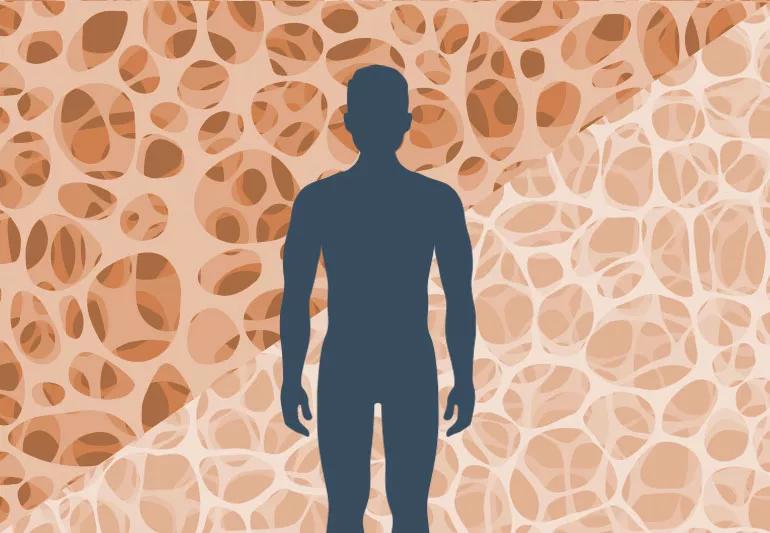
Image content: This image is available to view online.
View image online (https://assets.clevelandclinic.org/transform/821e73b9-5b15-4e29-a606-4e919939c0b2/osteoMale1-544486252-770x533-1_jpg)
Osteoporosis in males
It’s common knowledge that osteoporosis, a disease that causes the skeleton to weaken and bones to break, affects women. The National Osteoporosis Foundation estimates there are 2.8 million men with osteoporosis and 14.4 million men with low bone mass (osteopenia).
Advertisement
Cleveland Clinic is a non-profit academic medical center. Advertising on our site helps support our mission. We do not endorse non-Cleveland Clinic products or services. Policy
After age 50, 6% of all men will suffer a hip fracture as a result of osteoporosis. And because of osteoporosis, men also are vulnerable to minor spinal fractures that result in chronic pain in the back and neck.
Osteoporosis is not just a “woman’s disease,” says Abby Abelson, MD, Chair of Cleveland Clinic’s Department of Rheumatic and Immunologic Disease.
However, there are important differences between men and women when it comes to osteoporosis, Dr. Abelson says. For men, bone loss starts later and progresses more slowly.
While men in their 50s do not go through the rapid loss of bone mass that women have in the years following menopause, the rates of bone loss are the same by age 65 or 70, Dr. Abelson says.
“There are a number of medical problems that could be associated with bone loss in men,” says family medicine specialist Donald Ford, MD, MBA. “If someone used to be 6’4” and has lost more than 1.5 inches in height, an X-ray is recommended since osteoporotic fractures can cause that loss.”
Additionally, a bone density is recommended for men over age 70 and if, risk factors for low bone mass are present, after age 50.
Once bone is lost, the body can’t replace it with just calcium and vitamin D. Excessive bone loss causes bones to become fragile and more likely to fracture. Osteoporosis-related fractures most commonly occur in the hip, spine and wrists and can be permanently disabling, Dr. Abelson says.
Advertisement
Men who sustain hip fractures are more likely to die from complications than women. More than half of all men who suffer a hip fracture are discharged to a nursing home, and 79% of those who survive for one year after a hip fracture still live in nursing homes or intermediate care facilities.
Dr. Abelson says osteoporosis in men is often associated with:
Risk factors that affect men and women equally include a family history of osteoporosis, smoking, excessive drinking, low calcium intake and a sedentary lifestyle, Dr. Abelson says.
These diseases can trigger osteoporosis in men, Dr. Abelson says:
Dr. Abelson says it’s important for men to avoid letting misconceptions prevent them from taking care of your bone health.
“Men get osteoporosis, and when men sustain the fractures from this disease, they may suffer more from the devastating consequences,” she says. “Be aware of bone health even if you’re male — and take preventive steps when needed.”
Getting calcium in your diet is also a good preventative measure, adds Dr. Ford. The recommended daily intake of calcium is between 1,200 and 1,500 mg per day.
“If you don’t eat dairy products, there are actually better sources of calcium that are nondairy,” he says. “Leafy green vegetables and many other vegetables are actually much better sources of calcium than dairy products.”
Advertisement

Sign up for our Health Essentials emails for expert guidance on nutrition, fitness, sleep, skin care and more.
Learn more about our editorial process.
Advertisement
Some osteoporosis medications help slow bone breakdown, while others help grow new bone — what’s best for you depends on your needs

It’s best to aim for calcium-rich foods instead of turning to supplements
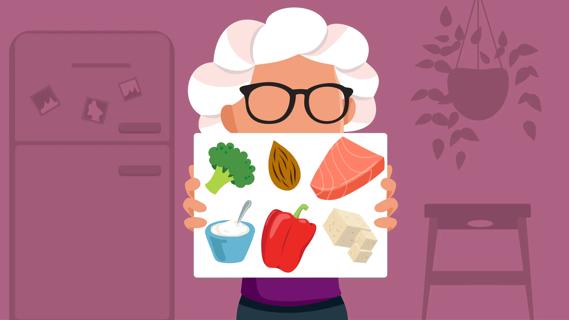
Eating enough dairy, fish and leafy greens is a good way to help keep your bones strong
The right exercises can protect you from future fractures
Your skeleton has a lot of moving parts, jobs and abilities!
Your symptoms can be affected by hormones, medical conditions and other factors that can change with age and time
Bone health starts with proper nutrition, exercise and healthy lifestyle changes
For most people, the risks outweigh the possible benefits

Managing your weight through physical activity may lower your chances of getting this common cancer

It typically starts in October and winds down in early spring, with cases at their highest in the middle of winter

Anxiety disorders, health conditions and past trauma can make driving nerve-wracking — help is available
 Search










