Locations:





This herbal drink may ease allergies and boost prostate health
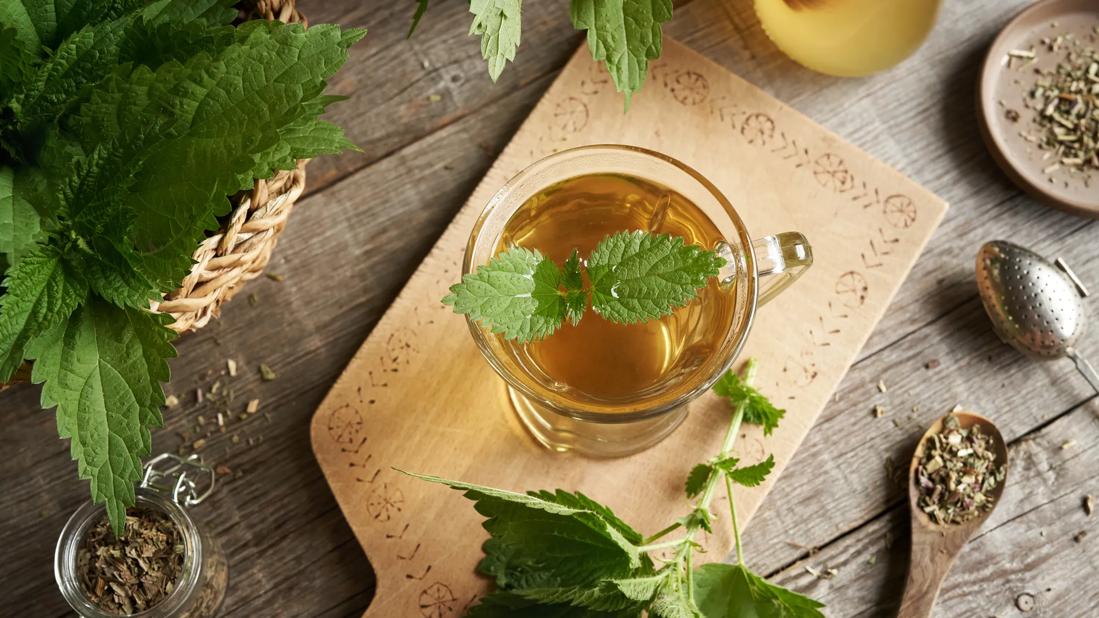
Image content: This image is available to view online.
View image online (https://assets.clevelandclinic.org/transform/b7cf3d9d-1d20-4528-8f40-925ab79ba7a7/nettle-tea-1786242944)
Glass mug of nettle tea on decorative cutting board, with fresh and dried nettle leaves around
Stinging nettle (Urtica dioica) sounds like it could easily be a dangerous or poisonous plant. But it’s actually a nutritious herb that some people use as a natural remedy.
Advertisement
Cleveland Clinic is a non-profit academic medical center. Advertising on our site helps support our mission. We do not endorse non-Cleveland Clinic products or services. Policy
And nettle tea is a popular herbal drink that’s packed with nutrients.
Registered dietitian Michela Palma, RD, LD, discusses the possible benefits of nettle tea and how to enjoy it.
Drinking nettle tea may have several potential health benefits, including:
Small studies show that nettle may help reduce fasting blood glucose, and in others, even reduce hemoglobin A1C. But larger studies are needed.
“Nettle shouldn’t be used as a substitute for diabetes medications,“ stresses Palma. “If you’re interested in taking nettle tea and have diabetes, consult with your doctor prior to taking it.”
Benign prostate hyperplasia (BPH) is a noncancerous condition where your prostate gland is enlarged. Nettles are a common herbal remedy for BPH, which can cause an urgent need to urinate, as well as leaking or pain while urinating.
“Nettles have been used for urinary and prostate problems for centuries,” says Palma. “Some evidence suggests that nettles might interfere with the growth of prostate cells. And a human study suggests that stinging nettles could improve BPH symptoms. But it’s important that you discuss any prostate issues with your healthcare provider first.”
If you’re sniffling and sneezing when pollen season arrives, using a proven antihistamine medication can help provide relief. But you might think about adding a cup of nettle tea to your anti-allergy regimen.
Advertisement
“Studies are mixed on whether nettle tea helps allergies,” clarifies Palma. “This herb may be worth a try if you have very mild allergies or want to try boosting the effects of your allergy medications.”
High blood pressure (hypertension) is a potentially serious health condition. Without treatment, high blood pressure can raise your risk of heart attack and stroke.
Nettle tea isn’t an approved therapy for high blood pressure. But it could be helpful if you want to keep your blood pressure healthy.
“Some evidence suggests that regularly drinking nettle tea can lower blood pressure in some people,” shares Palma. “However, it’s not a replacement for blood pressure medications. It’s important to keep your blood pressure well-managed with the help of your healthcare provider. And if you already take blood pressure medications, your doctor may not recommend nettle tea.”
Nettles contain lutein and zeaxanthin. These antioxidants may help prevent several eye conditions, including:
“Consuming foods and drinks rich in antioxidants has many health benefits, including a lower risk of some eye conditions,” says Palma. “But nettle tea can’t take the place of regular eye exams or any medications that your healthcare provider has prescribed for you.”
You can purchase nettle tea in ready-made tea bags or as a fresh or dried herb. To make nettle tea:
Nettle tea is generally safe for most people, but any herb can have side effects. Talk with your healthcare provider before you start drinking nettle tea.
Nettle tea can interfere with some medications, such as:
Some people are also allergic to stinging nettle. Get medical care immediately if you notice signs of an allergic reaction, such as itching, hives or trouble breathing. You also want to avoid nettle tea if you’re pregnant.
Finally, you might want to stick to daytime sipping. “Nettle tea is a diuretic, so drinking it before bed could send you to the bathroom during the night,” notes Palma.
Advertisement
Some research shows that nettle tea could have some health benefits, but don’t count on it to treat a medical condition.
“Nettle tea contains a lot of nutrients, so it can be part of a healthy diet,” says Palma. “But don’t use it in place of medical care. Instead, with your doctor’s OK, use it to boost your health.”
Advertisement

Sign up for our Health Essentials emails for expert guidance on nutrition, fitness, sleep, skin care and more.
Learn more about our editorial process.
Advertisement

This caffeinated South American tea contains antioxidants and other nutrients that may offer some health benefits
Matcha delivers antioxidants and other plant compounds in a concentrated form that may support your heart, brain and more
Matcha is one of the most versatile flavors out there — the grade you choose depends on how you want to use it
Different teas offer different health benefits — but they all bring something to the table
Catechins (antioxidants) in green tea help fight inflammation and diabetes, while improving memory and heart health
This subtly minty beverage can help balance hormones and loosen stiff joints
Weeds be gone! This tea contains lots of antioxidants and may help reduce inflammation
Flavonoids in black tea are good for your health, helping prevent strokes and heart disease

Managing your weight through physical activity may lower your chances of getting this common cancer

It typically starts in October and winds down in early spring, with cases at their highest in the middle of winter

Anxiety disorders, health conditions and past trauma can make driving nerve-wracking — help is available
 Search










