Locations:


When surgery isn’t your best option, radiation, immunotherapy or targeted medications may help
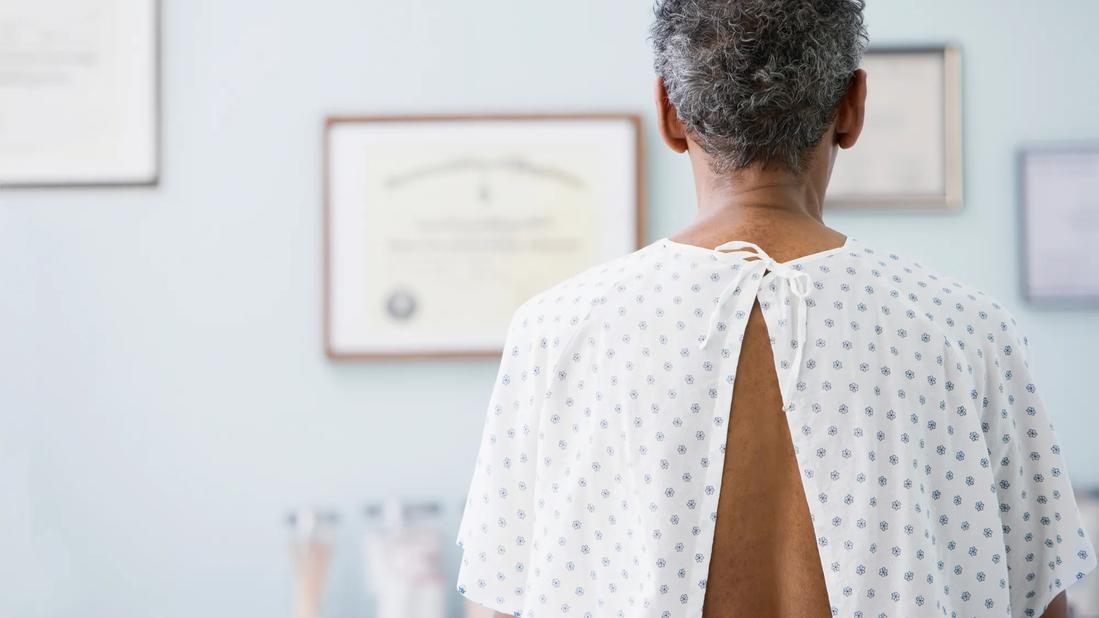
Image content: This image is available to view online.
View image online (https://assets.clevelandclinic.org/transform/26a6d325-75eb-4ca1-aecd-ff53597a7dcc/non-surgical-skin-cancer-82149808)
Person wearing hosptial gown with the back open, waiting for healthcare provider
Surgery can be highly effective for treating skin cancer, including nonmelanoma skin cancer, but it’s not always the safest or most practical approach. Fortunately, surgery isn’t the only treatment available.
Advertisement
Cleveland Clinic is a non-profit academic medical center. Advertising on our site helps support our mission. We do not endorse non-Cleveland Clinic products or services. Policy
Advances in skin cancer care have given healthcare providers more ways to shrink tumors, manage cancer and help preserve your quality of life.
“Surgery is our first choice for many skin cancer tumors, but there are often times when additional or alternate treatments are recommended,” says head and neck oncologist Jessica Geiger, MD.
Dr. Geiger explains when surgery may not be the best option for advanced cutaneous squamous cell carcinoma or advanced basal cell carcinoma, and the nonsurgical strategies your care team may consider.
Surgery alone may be an option for removing skin cancers that are small and haven’t advanced to other parts of your body. But that’s not always the case when you’re living with advanced skin cancer. As cancer grows and spreads, surgery can become more complicated, and recovery can be more difficult.
“Advanced nonmelanoma skin cancers are often found on the head and neck,” Dr. Geiger says. “That’s some precious real estate, which can make surgery tricky.”
For example, surgery as a standalone treatment may not be the best choice if:
Advertisement
“We approach treatment on a case-by-case basis,” she continues. “There can be a lot of factors that we weigh with people when we’re discussing their plans.”
When surgery isn’t an option — or if it’s not your best or only one — your team may recommend nonsurgical strategies. Depending on your health and the cancer, these strategies may be considered on their own or in combination with other treatments.
Dr. Geiger explains how these nonsurgical treatments work.
Radiation therapy uses high-powered X-rays or radioactive medications to kill cancer cells and shrink tumors.
“Radiation is used as a treatment for a lot of types of cancer, and it can be very effective for advanced nonmelanoma skin cancer, too,” Dr. Geiger says.
Radiation may be used:
Immunotherapy medications for skin cancer, called PD-1 inhibitors, essentially harness your own defense system to attack cancer cells. There are currently three immunotherapy medications approved for advanced skin cancer:
Immunotherapy may not work for everyone, but the results can be impressive.
“We’ve seen a great deal of people have long-term, complete responses to immunotherapy,” Dr. Geiger shares. In other words, there are times that immunotherapy can make your cancer undetectable.
Like radiation, immunotherapy may be a treatment on its own. It’s also sometimes used before surgery to shrink tumors and allow for a less intensive operation.
For some people with advanced basal cell carcinoma, oral medications known as hedgehog inhibitors may be used in addition to or instead of surgery. These targeted therapies go by the names vismodegib and sonidegib.
Hedgehog inhibitors turn off the signals that tell basal cell cancers to grow. That can help to gradually shrink tumors. But these medications aren’t always well-tolerated and can come with side effects, including:
Chemotherapy isn’t often used these days for managing advanced cutaneous squamous cell carcinoma or advanced basal cell carcinoma.
Advertisement
“Chemotherapy hasn’t proven to be as effective as other treatments for advanced nonmelanoma skin cancer,” Dr. Geiger notes. “In cases where immunotherapy or other treatments aren’t available or haven’t been effective, chemotherapy may still be an option.”
Finding out that surgery may not be right for you, at least for now, can bring a whirlwind of emotions. You may be glad to have other routes to consider. Or it may be disappointing to not have a clear path forward.
Nonsurgical options for advanced skin cancer can be highly effective at treating cancer. In some cases, they may even mean avoiding extensive surgery, recovery and reconstruction.
“The best treatment is really going to vary and depend on your needs and your goals,” Dr. Geiger reiterates. “We’re fortunate to have several ways to help you treat advanced skin cancer and help you live as healthy and full a life as possible.”
Advertisement

Sign up for our Health Essentials emails for expert guidance on nutrition, fitness, sleep, skin care and more.
Learn more about our editorial process.
Advertisement
Your care team can determine if you’re a good match for this newer type of targeted treatment
Skin cancer can sometimes itch, but it’s not usually the most common symptom — a persistent itch still warrants a visit to a healthcare provider

Breast cancer treatments can lower estrogen, which has a ripple effect on your bones
Follow a balanced diet, get lots of rest, stay hydrated, tend to your mental health — and don’t skip your appointments
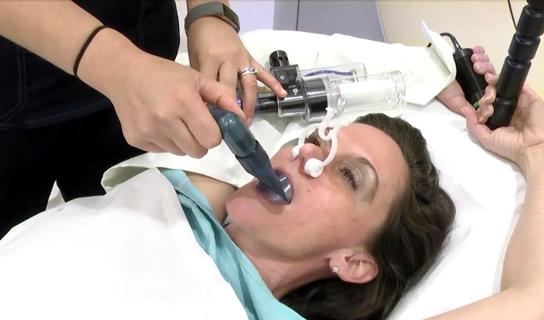
This breathing technique can help protect your heart during treatment for certain types of cancer

Side effects like nausea and fatigue are common, but there are ways to feel better
Any fever, especially one of 100.5 degrees Fahrenheit or higher, should trigger a call to your oncologist — and maybe a trip to the ER

Smoking can make symptoms from cancer treatment worse, and can even make treatments less effective

This simple practice can help you notice what’s meaningful, comforting or going well

Maca root supplements claim benefits like sexual health, menopause symptom relief and more energy — but human research is limited
It can take a few months — and you’ll need to put down the tweezers to give your brows time to recover
 Search