Locations:





A drizzle of olive oil may help your hair feel softer, shinier and less frizzy

Image content: This image is available to view online.
View image online (https://assets.clevelandclinic.org/transform/31deada6-b192-4748-b6d1-878af03b0ec6/apply-olive-oil-hair-2256196142)
Carafe of olive oil, with person applying drops of olive oil to their hair
A splash of olive oil starts countless recipes — but could it also be the secret ingredient for healthier hair? The ancient Egyptians certainly thought so. Ditto for the ancient Greeks and Romans.
Advertisement
Cleveland Clinic is a non-profit academic medical center. Advertising on our site helps support our mission. We do not endorse non-Cleveland Clinic products or services. Policy
Given those historical roots, we asked dermatologist Amy Kassouf, MD, whether our ancestors were onto something.
Your hair can’t repair itself or replace its own natural oils. It needs outside assistance to look and feel its best. Here’s how a drizzle of extra virgin olive oil can help the cause.
Olive oil won’t stimulate your hair follicles or speed up hair growth. (Sorry!) But by helping to protect the hair that’s already on your head, your locks may appear a bit longer and thicker over time.
Advertisement
“By preventing breakage, your hair might feel fuller,” explains Dr. Kassouf. “But you’re not growing more of it.”
If you want to try olive oil on your hair, remember that less is more. “A little olive oil goes a long way,” notes Dr. Kassouf. “Using too much can leave your hair greasy.”
So, start with just a few drops. Rub the olive oil between your palms before applying it mainly to the middle and ends of your hair, where dryness and damage tend to be more noticeable. It works best on damp hair to help seal in the moisture.
After the olive oil is worked in, brush or comb your hair to help distribute the oil evenly.
Make sure to use plain extra virgin olive oil (EVOO). There’s no need to go with “flavored” varieties that may include ingredients that could cause irritation.
Dr. Kassouf recommends doing a patch test before going all in on olive oil.
“Find a small area kind of out of the way and use it for a few days,” she advises. “Make sure there’s no adverse reaction to it. Then, get a little braver with it.”
Some people like to use olive oil as an overnight conditioning treatment, sometimes called “hair slugging.” Dr. Kassouf says olive oil works well for this because it’s lighter and easier to wash out than thicker products (like petroleum jelly).
Olive oil is generally safe to try, but it isn’t the right fit for everyone. It works especially well if you have thick, coarse, curly or dry hair. If your hair is naturally fine or oily, it may leave it looking greasy or weighed down.
Be cautious about getting too much olive oil on your scalp and letting it sit, too.
“There are some yeasts on the skin that may feed on that and worsen some scalp conditions,” cautions Dr. Kassouf. “If you’re using it deep in the hair follicles, it’s best to get it washed off regularly so the yeast doesn’t build up.”
One more tip: Give your olive oil a sniff before applying it to your hair. “If it doesn’t smell good, don’t use it,” says Dr. Kassouf. “Culinary oils can go rancid, especially when they’re sitting in a warm environment.”
There’s a reason olive oil has been used as a natural hair and skin care beauty product for thousands of years: It’s a time-tested way to perk up your appearance. (Cleopatra wouldn’t lead you wrong, right?)
So, if your hair needs a boost, you may find the solution in your kitchen.
“I like the simplicity of it,” says Dr. Kassouf. “It can be used straight out of the bottle you already have on hand.”
Advertisement

Sign up for our Health Essentials emails for expert guidance on nutrition, fitness, sleep, skin care and more.
Learn more about our editorial process.
Advertisement
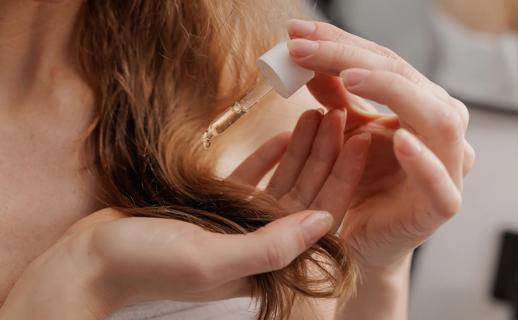
Yes, but you can protect yourself with hats, scarves or even hair sunblock
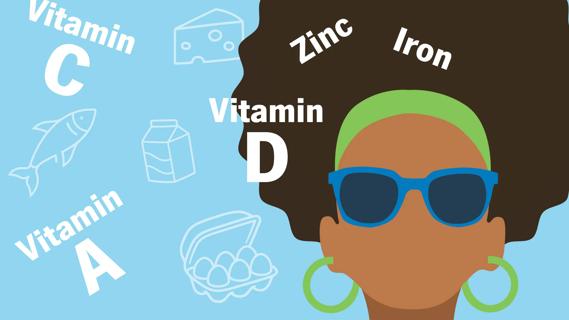
Iron, biotin and omega-3 fatty acids can help boost hair growth
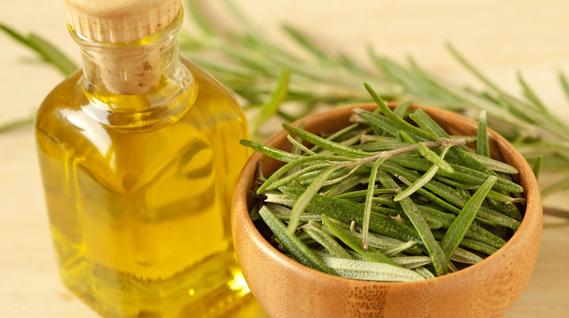
Rosemary oil’s antioxidant, anti-inflammatory and antimicrobial properties could help stimulate hair growth
Soften your skin with warm water and shaving cream before shaving with the grain of the hair
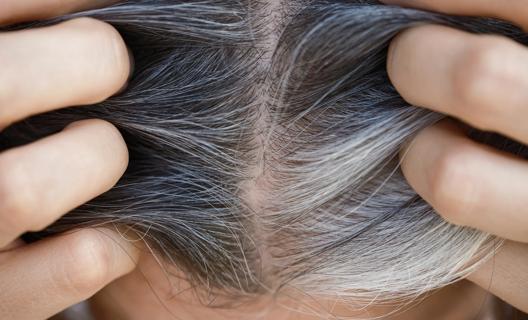
Age is the most likely reason for typical graying, but premature graying may be caused by stress, diet, smoking or autoimmune disease

Focus on nutrition, gentle styling habits and adapting to your hair type

How often you lather up your locks can depend on various factors, like hair type, age and ethnicity

Eating whole grains, salmon, fruits and vegetables can help you achieve longer, healthier locks

Managing your weight through physical activity may lower your chances of getting this common cancer

It typically starts in October and winds down in early spring, with cases at their highest in the middle of winter

Anxiety disorders, health conditions and past trauma can make driving nerve-wracking — help is available
 Search










