Locations:





Otroversion is all about making connections on your own terms

Image content: This image is available to view online.
View image online (https://assets.clevelandclinic.org/transform/26baca5d-85a7-4fad-8149-80d81535f38b/otrovert-22022703)
Four people eating and talking, with one person sitting slightly aloof from the others
You’re probably somewhat familiar with some standard personality types, like introvert and extrovert. But a newly coined way to describe certain personality traits is starting to catch fire: otrovert.
Advertisement
Cleveland Clinic is a non-profit academic medical center. Advertising on our site helps support our mission. We do not endorse non-Cleveland Clinic products or services. Policy
It’s a new concept and not yet backed by much research. But that hasn’t kept a lot of people from musing on this emerging personality type.
Health psychology fellow Alivia Murdock-Frazier, PhD, explains the origins of otroversion and what we know about it so far.
An otrovert is typically described as someone who can socialize just fine but doesn’t really care about fitting in. They don’t feel tied to group identity or approval.
The idea of otroversion is new. It was introduced to the lexicon in 2025 by psychiatrist Rami Kaminski, MD. His book, The Gift of Not Belonging, was the first to put forward a definition of otroverts.
Unlike introversion, extroversion or ambiversion, otroversion isn’t a recognized personality type. At least as of now.
“It’s more of an idea that people are seeing in themselves and feeling a connection to,” Dr. Murdock-Frazier says. “It’s very new and not currently a fully defined or researched concept.”
Because otroversion isn’t fully defined in research, there’s no strict set of traits. But a few themes tend to show up.
“Otroverts are described as independent and not really fusing with a group or group ideals,” Dr. Murdock-Frazier explains. “But at the same time, they’re also emotionally intelligent and can fit in well in social settings.”
Advertisement
Let’s take a closer look at some traits of an otrovert:
In his book, Dr. Kaminski points to artist Frida Kahlo as one possible example of otroversion in action. Despite being socially engaged and respected, Kahlo maintained a strong sense of individuality.
“She was independent,” Dr. Murdock-Frazier notes. “Her life and work reflected a person who could connect with others while still standing comfortably apart from group norms and expectations.”
Otroversion can be empowering, but it can also come with challenges. Again, this isn’t yet backed by rigorous research. But based on what we understand so far, Dr. Murdock-Frazier suggests some ways otroversion may prove difficult.
Let’s take a quick look at the differences between otroversion and more well-established personality types:
Advertisement
Otroversion likely doesn’t replace other existing personality types — and it’s not a formally recognized category of its own. Instead, it may sit alongside other well-known personality frameworks, like the Big 5 personality traits.
“There’s a well-researched extroversion-to-introversion spectrum,” Dr. Murdock-Frazier says. “Otroversion is likely somewhere on that spectrum, but we don’t have enough research to know exactly where.”
That means you could identify as introverted or extroverted and also relate to otroversion — like some extra flavor that rounds out your personality.
As research continues, experts may better define where otroversion fits. For now, it’s best viewed as a possible way to describe and understand your personality and preferences — not a fixed category of its own.
Advertisement

Sign up for our Health Essentials emails for expert guidance on nutrition, fitness, sleep, skin care and more.
Learn more about our editorial process.
Advertisement
Introverts refuel with quiet time, while extroverts thrive on connection

Openness, conscientiousness, extraversion, agreeableness and neuroticism all shape your core identity

Type A characteristics can fuel success, but they can also be a source of stress
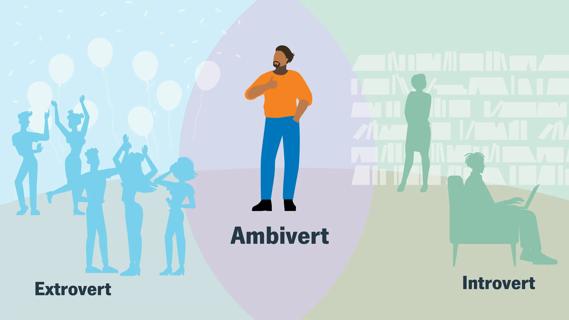
Ambiverts tend to balance traits of both introverts and extroverts — and they’re more common
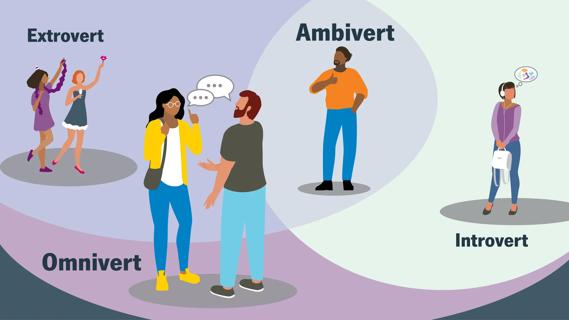
Both types display introverted and extroverted tendencies, but the difference lies in the extremes

Extroverts are energized by people and places around them and tend to process thoughts out loud
Introverts tend to seek alone time to gain energy — they may keep small, close groups of loved ones and often think before they speak

This personality type involves three overlapping traits: Machiavellianism, narcissism and psychopathy

Hormonal changes, a slower metabolism and muscle loss can make weight gain more common around menopause — healthy habits can help you manage it

Life-threatening complications include sepsis, stroke, pneumonia and more
Fruity-smelling breath can happen when your body burns fat for energy, and in some cases, can signal a medical emergency
 Search










