Locations:





 Search
Relax into this form of stretching while a prop or partner assists you
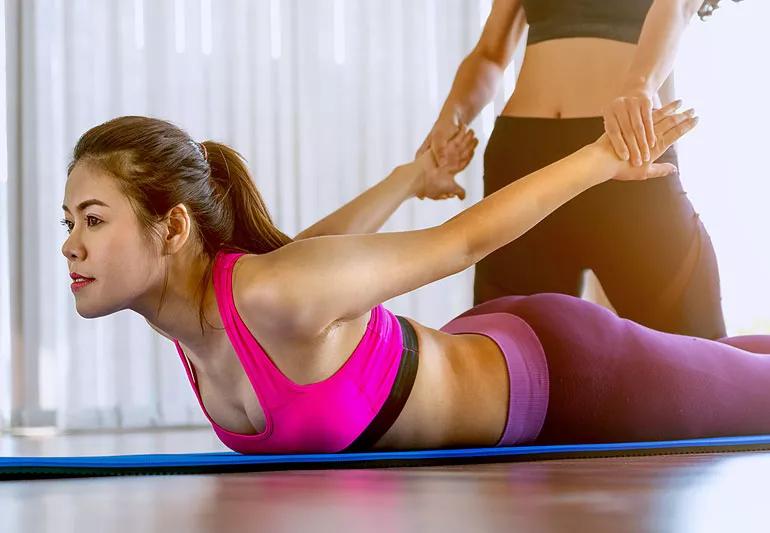
When you think of stretching, you might picture someone sitting on the floor, legs extended, reaching for their toes. But passive stretching takes a different approach. Instead of relying on your own flexibility, you use something (or someone) else to help.
Advertisement
Cleveland Clinic is a non-profit academic medical center. Advertising on our site helps support our mission. We do not endorse non-Cleveland Clinic products or services. Policy
Licensed massage therapist and registered nurse DeBorah Hill, RN, LMT, explains passive stretching and how it can benefit your health.
Most people are familiar with dynamic and static stretching. Static stretching focuses on holding a pose that stretches your muscle as far as you can. Dynamic stretching uses movements, like walking lunges or hip circles, to warm up your muscles before an activity.
Dynamic and static stretches are limited to how far you can physically move. Think of toe touches: Some people can touch their toes and beyond, while others can’t reach their knees.
Passive stretching uses other forces to stretch your muscles, rather than your own ability. “During passive stretching, your body is loose and relaxed,” says Hill. “You let an external force — like a partner, towel or fitness strap — do the work.”
For example, instead of touching your toes, you can perform a passive hamstring stretch. During this stretch, you lie on your back and use a rolled-up towel or strap to help you stretch the back of your thigh.
If you’re new to passive stretching, use care. You could accidentally stretch a muscle too much and cause injury.
“Listen to your body as you stretch,” advises Hill. “Passive stretching should not hurt, and many people overestimate how flexible they are. It’s helpful to talk with a licensed physical therapist or massage therapist before you start.”
Advertisement
Video content: This video is available to watch online.
View video online (https://cdnapisec.kaltura.com/p/2207941/sp/220794100/playManifest/entryId/1_rmcql7kc/flavorId/1_5f3sgelj/format/url/protocol/https/a.mp4)
Learn the importance of stretching.
Consider adding passive stretching to your routine to:
Unlike static or dynamic stretching, passive stretching requires your muscles to be relaxed for it to work. This release of physical tension can benefit your mental health.
“When you fully relax for a passive stretch, you tell your brain to shift out of fight-or-flight mode,” explains Hill. “Passive stretching can take you out of survival mode so you feel relaxed.”
One study found passive stretching to be better than dynamic stretching at increasing hamstring flexibility.
“Passive stretching can increase your range of motion when other stretches don’t work for you,” says Hill. “Your prop or partner can help you gently stretch beyond what you can normally do yourself.”
If you have mobility issues or chronic pain, other forms of stretching can be difficult. Passive stretching works for people of all ages and fitness levels. Can’t bend over or move your body a certain way? Passive stretches can work around these limitations.
Passive stretches can work many different muscles. Try these stretches to get started:
This stretch focuses on your chest and shoulders:
This passive stretch focuses on your quadriceps, or the muscles on the front of your thighs:
The backs of your legs, or hamstrings, get a stretch here — no toe-touching required:
Taking a few minutes a day to stretch has big benefits, from preventing injuries to reducing joint pain. And if other forms of stretching haven’t worked for you, passive stretching is worth a try.
“The beauty of passive stretching is that it works for so many people,” states Hill. “Whether you’re just starting out or you’re an elite athlete, passive stretching can help you feel great physically and mentally.”
Advertisement
Advertisement
Learn more about our editorial process.
Advertisement
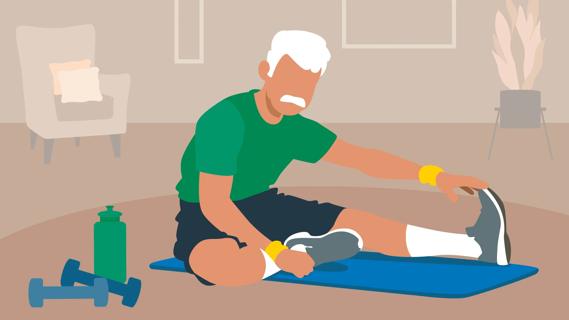
Shoulder rolls, hamstring stretches and calf exercises can all improve flexibility and endurance

This satisfying, involuntary act of yawning and stretching helps release tight muscles
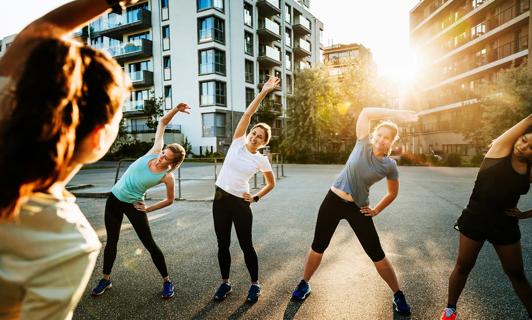
While one focuses on stretching through movement, the other requires holding poses for 30 to 90 seconds — both can have a place in your fitness routine
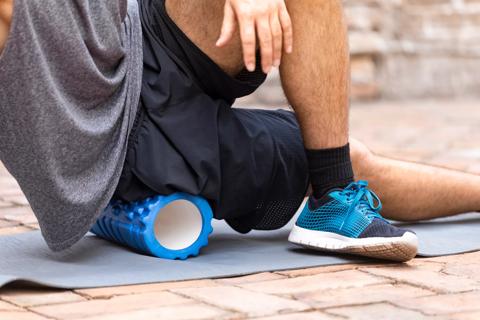
Stretch before and after your workouts for maximum benefits, but your pre-workout stretches should be different from your post-workout stretches
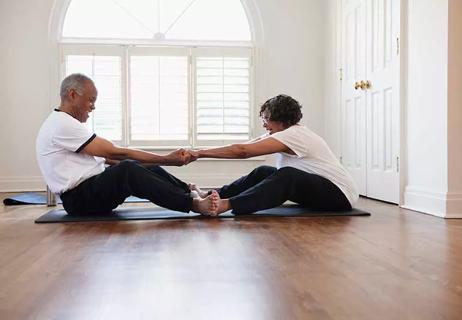
Having a partner help you stretch can prevent injury and lead to an increased range of motion
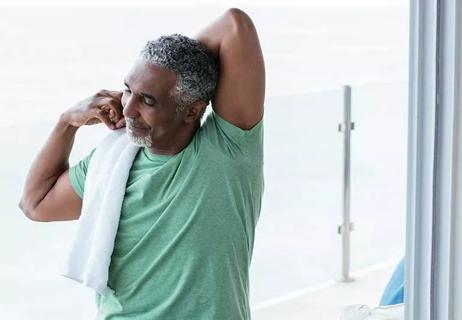
Simply contracting certain muscles provides a good stretch to other areas of your body
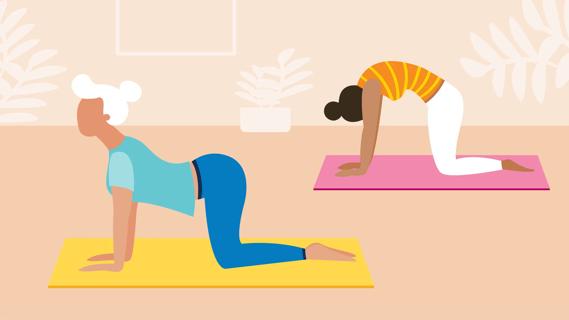
This gentle yoga stretch supports your spine, strengthens your core and calms your mind
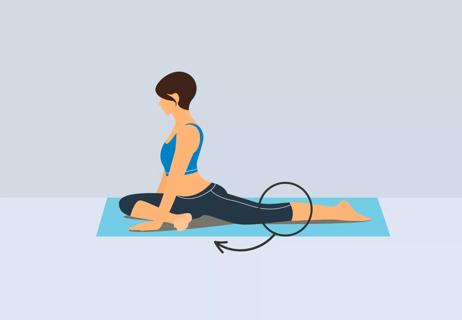
This extreme stretch can help build hip mobility and address pain in your back, knees and feet

Wearing a scarf, adjusting your outdoor activities and following your asthma treatment plan can help limit breathing problems
Your diet in the weeks, days and hours ahead of your race can power you to the finish line

When someone guilt trips you, they’re using emotionally manipulative behavior to try to get you to act a certain way











