Locations:





 Search
Focus on balanced meals, smart snacks, consistent eating and choice-driven conversations

Image content: This image is available to view online.
View image online (https://assets.clevelandclinic.org/transform/f4e7c0c7-f1a6-42ec-8cb1-38a77a5f7ec7/family-eats-together-1355162946)
Happy family eating a meal together at table
When your child is living with Type 1 diabetes (T1D), meal planning can become a central focus. Creating a family-friendly meal plan can not only help manage your child’s blood sugar levels, but it can also ensure that your entire family enjoys nutritious and delicious meals together without compromising on the kinds of food you all know and love.
Advertisement
Cleveland Clinic is a non-profit academic medical center. Advertising on our site helps support our mission. We do not endorse non-Cleveland Clinic products or services. Policy
Pediatric registered dietitian Jennifer Hyland, RD, CSP, LD, shares the importance of meal planning, how to get buy-in from your child and what foods you should focus on or avoid.
Video content: This video is available to watch online.
View video online (https://cdnapisec.kaltura.com/p/2207941/sp/220794100/playManifest/entryId/1_43wexdqi/flavorId/1_5f3sgelj/format/url/protocol/https/a.mp4)
Learn what causes Type 1 diabetes and ways you can treat it.
When kids are diagnosed with T1D, parents or caregivers are often concerned that they won’t be able to eat all the foods they used to. But this isn’t the case. In reality, kids will just need to make certain lifestyle adjustments, like taking the appropriate dosage of insulin to account for all the carbohydrates they’re consuming.
“When a child is diagnosed with diabetes, everything is focused on food because they can’t eat food without getting their medicine,” notes Hyland. “Eating with intention and healthy eating is always something we strive for. But regardless of what they eat, they have to manage their diabetes correctly.”
There’s no single diabetes diet that works across the board. But you’ll still want to find ways to be consistent and make sure every meal is healthy and well-balanced.
“The basics around family meal planning are about eating consistently every three or four hours throughout the day with regular meals and snacks,” explains Hyland. “This is advice I would give to anyone, with or without diabetes.”
Advertisement
Here are some helpful strategies to make family meal planning a success.
“When you’re building a meal, you want to balance every plate with various nutrients,” recommends Hyland. “You want to have carbs, protein, healthy fats and something with color like fruits and vegetables that provide fiber.”
Fiber, in particular, is really important when your child is living with T1D because fiber helps keep them full and slows down how fast their blood sugar rises.
Other examples of foods you should include regularly are:
Staying away from sugary drinks is one of the largest challenges for kids, but these often have the highest risk for raising your child’s blood sugar levels, along with concentrated sweets like candy.
In general, Hyland says kids can enjoy foods with sugar in moderation as long as they take the right amount of insulin required for that amount of carbohydrates. But she also strongly recommends avoiding beverages with pure sugar unless they’re having them with a meal. These include:
“If they have juice in the middle of the day by itself, there aren’t any nutrients there to buffer that increase in their blood sugar,” she clarifies. “But if they have it with a meal, you get that fiber, protein and fat — along with the insulin — to help make sure their blood sugars don’t rise so fast.”
Singling out your child as the only family member with a healthy meal plan can be detrimental to their mental and emotional health. Instead, get the whole family on board and create meals with everyone in mind. “If there are two kids in a family and one has diabetes and the other doesn’t, they should still be eating the same way,” stresses Hyland. “Really, it’s about finding ways to eat healthy and that’s going to be good for your entire family.”
“Consider giving them options and alternatives and let them pick what they want at a meal within reason,” advises Hyland. This not only gives your child a chance to get excited about mealtime, but it also sets them up for the long-term accountability they need to have when managing their condition in the future.
“Ask them if they want pasta or tacos,” she illustrates. “If they want pasta, you know you still need a protein to go along with those carbs, so ask them if they want meatballs or chicken.”
Advertisement
Some foods don’t require insulin if they’re minimally processed and don’t have carbs. So, consider including snacks throughout the day, like:
Still, Hyland emphasizes that it’s so very important for kids to avoid things like the keto diet, where carbs are extremely limited or avoided completely. Although it sounds like a good idea because kids usually hate shots, their growing bodies still need carbs in order to continue growing.
“If growing children aren’t getting enough carbs, they could have issues with weight gain over time, as well as concerns for nutrient deficiencies,” she continues. “I want kids to have carbs with every meal.”
One of the benefits of being a little kid is that you can sometimes get away with grazing or snacking all day, every day. But if your kid has Type 1 diabetes, they should let you know when they’re eating and what they’re eating at all times, at least when they’re younger. This helps with the appropriate administration of insulin and also helps your kid increase their awareness around the ways food directly affects their bodies.
“Every time they eat now, they have to take their insulin. They can’t just freely eat throughout the day,” states Hyland. “This can be hard because we don’t want to over-focus on food and have them obsess over it. But it’s important for kids to understand the safety behind it.”
Advertisement
Transitioning is hard, especially for kids living with T1D. Part of their journey will be centered around educating them about their condition and this new reality. Working with a pediatric dietitian can help ensure they’re getting all the right nutrients they need to live a long, healthy life. You may even want to consider finding a therapist who can help make sure they’re OK as they process all these changes.
“A lot of kids don’t pay attention to the food they eat until they have to,” recognizes Hyland. “So, encouraging them and listening to their concerns at every step of this process is really important.”
Advertisement

Sign up for our Health Essentials emails for expert guidance on nutrition, fitness, sleep, skin care and more.
Learn more about our editorial process.
Advertisement

With a sweet, tangy flavor, this tropical fruit is versatile, nutrient-rich and full of antioxidants

Turn to foods that are high in polyphenols, antioxidants and omega-3 fatty acids
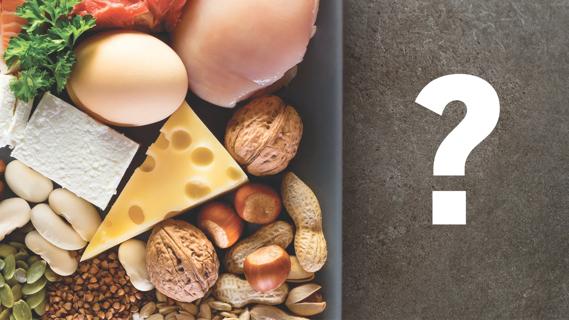
If your kidneys are healthy, an uptick in protein is usually fine, but going overboard can be risky

Nondairy milks like soy, oat and almond can offer many benefits, but the key to choosing one depends on your nutritional needs and taste preferences

These versatile little fruits are full of powerful antioxidants that can help fight cell damage, manage cholesterol, boost body functions and more

These sweet red berries benefit your memory, boost your immune system and keep your heart healthy

This dairy-free milk alternative is a great source of fiber, but it often contains added sugar

These tasty little fruits can help fight inflammation, improve digestion and stabilize blood sugar

Blue light-filtering glasses may help some people sleep better, but they don’t prevent eye strain and aren’t needed for eye health

Avoiding outside messaging may be difficult, but you can change how you think about T2D

The term refers to how long it takes you to fall asleep, which can be a key factor in overall sleep quality











