Locations:





A vagus nerve reset can help to relieve stress and find calm
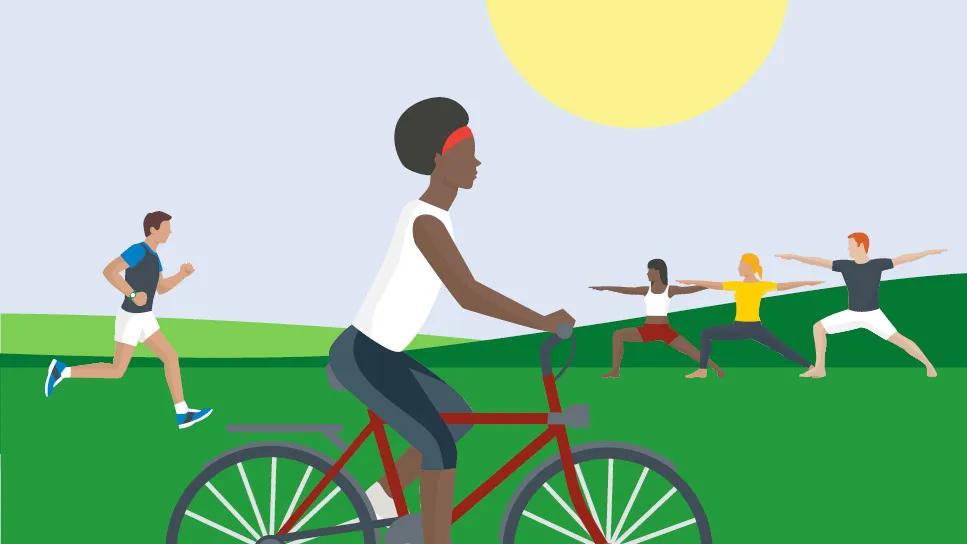
Image content: This image is available to view online.
View image online (https://assets.clevelandclinic.org/transform/d79d3969-258f-48f6-b5f3-0b39200acbe3/exercise-915709192)
Person riding bike through park, with others jogging and doing yoga
Your vagus nerve is the longest cranial nerve in your body. It’s a major highway that connects your brain to the rest of your body. Messages travel along this route to help regulate breathing, heart rate, digestion and more. It also helps direct traffic during stressful moments.
Advertisement
Cleveland Clinic is a non-profit academic medical center. Advertising on our site helps support our mission. We do not endorse non-Cleveland Clinic products or services. Policy
But when this nerve is on edge, traffic can crawl to a halt. The signals telling you to relax don’t get through, and you stay stuck in high gear — leaving you feeling stressed, tense and irritable.
That’s where a vagus nerve reset comes in. By using techniques that soothe your vagus nerve, you can help your body to naturally shift out of fight-or-flight mode so you can relax, heal and recover.
Neurologist Emad Estemalik, MD, explains how you can calm an overstimulated vagus nerve and return to a relaxed, more balanced state.
You can stimulate your vagus nerve yourself with some easy, at-home techniques that promote stress relief and mental clarity.
“It’s all about regulating your cardiovascular and respiratory functions,” Dr. Estemalik says. “When you’re breathing easily, and your heart isn’t beating too fast or too slow, your body can dial down the stress.”
Here’s what to try.
Deep, purposeful breathing is one of the simplest ways to refresh your vagus nerve.
“Breathwork is a powerful way to regulate your autonomic nervous system,” Dr. Estemalik says. “It can help lower rapid breathing, reduce heart rate and bring down cortisol (stress hormone) levels.”
Try this: Inhale for four seconds, then exhale for six seconds. When you exhale longer than you inhale, it tells your vagus nerve that you’re not in danger, which allows it to relax.
Advertisement
You can also pair deep breathing with practices like mindfulness, yoga or meditation to enhance the calming effect.
Exercise is another natural way you can reset your vagus nerve. Moderate aerobic activity has been linked to better autonomic balance and lower stress levels.
“Exercise helps your body shift between the sympathetic and parasympathetic systems,” says Dr. Estemalik. “That balance is key for good heart health and lung function.”
The exercise you do doesn’t have to be intense. Try things like walking, swimming or cycling.
Cold-water immersion has gained popularity as a mental refresh — and for good reason. Cold exposure can activate your body’s calming response, giving your nerves a chance to reset.
You can try:
These strategies may help slow your heart rate and redirect blood flow to your brain, helping you feel more centered.
Your vagus nerve passes through your throat and inner ear, which may explain why sound and vibration can influence how you feel.
Try humming, chanting or singing — especially long, drawn-out tones like “om.” You can also listen to calming music with low, steady rhythms.
Massage not only feels good, but it may also help improve the function of your vagus nerve and encourage your body to rest.
Certain types of touch — especially around your feet, neck or ears — may help calm your nervous system. And you don’t have to go to a professional to enjoy the benefits.
Try this simple foot massage:
Because your cranial nerve connects to so many systems in your body, showing it some love can have wide-ranging effects for your physical and mental wellness.
“Resetting the vagus nerve helps bring your body back into balance,” Dr. Estemalik encourages.
That may help:
For some people with depression or seizures or who are recovering from stroke, specialized medical devices that stimulate the vagus nerve can help, too. There’s also early research suggesting an overstimulated vagus nerve may play a role in long COVID symptoms, like dizziness, low blood pressure and voice changes. But further testing is needed.
Advertisement
Most at-home techniques are low-risk for healthy people. But it’s a good idea to check with your provider before trying anything new, especially if you:
Also, keep in mind: DIY vagus nerve resets aren’t a replacement for medical treatment. If you’re dealing with persistent symptoms, talk to a healthcare provider to find the root cause.
“While these strategies can be helpful, they’re part of a larger picture,” Dr. Estemalik advises. “They work best alongside other healthy habits and medical care when needed.”
Advertisement

Sign up for our Health Essentials emails for expert guidance on nutrition, fitness, sleep, skin care and more.
Learn more about our editorial process.
Advertisement

Meditation and yoga can exercise your vagus nerve and may improve your mental health

Symptoms include chronic exhaustion, overstimulation and skill loss
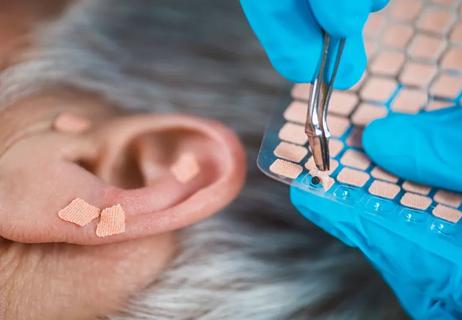
Early research suggests this auriculotherapy technique may help with pain, insomnia and more

This simple mindfulness exercise can help interrupt anxious thoughts by bringing your attention to your five senses
If a small frustration leads to a big emotional reaction, built-up stress may be to blame

Someone repeatedly pretending not to know how to do something can create an unhealthy imbalance in your relationship

Being mindful of your negative news habit can help you bring it to an end
Mindfulness, distractions and therapy can help when negative thoughts are stuck on repeat

Hormonal changes, a slower metabolism and muscle loss can make weight gain more common around menopause — healthy habits can help you manage it

Life-threatening complications include sepsis, stroke, pneumonia and more
Fruity-smelling breath can happen when your body burns fat for energy, and in some cases, can signal a medical emergency
 Search










