Locations:





This common sitting position for kids can cause problems with joint health, muscle development and motor coordination
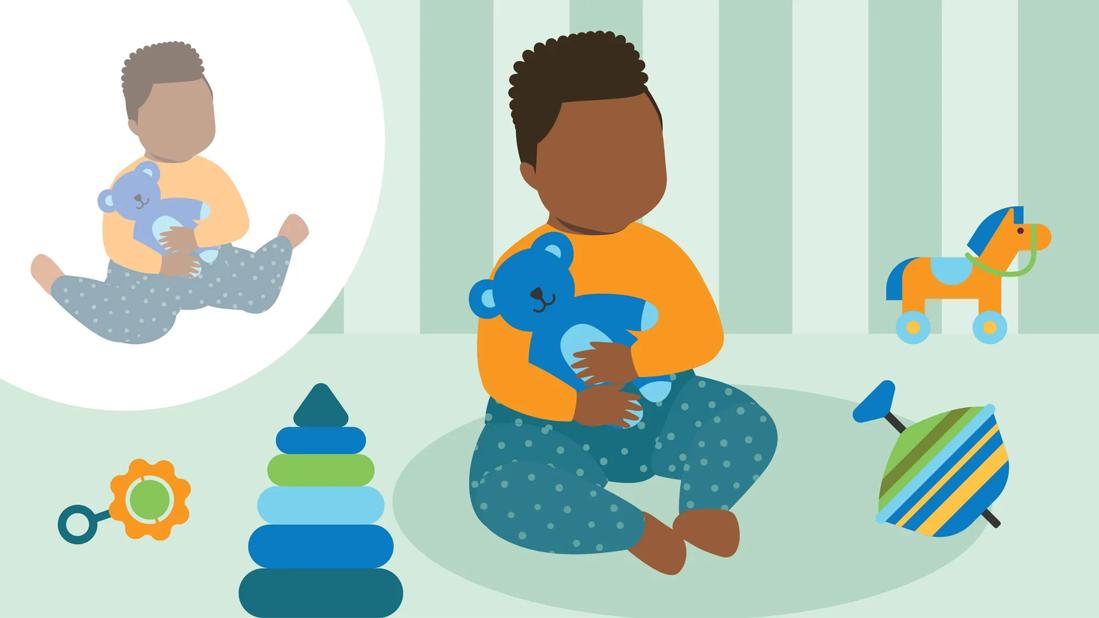
Image content: This image is available to view online.
View image online (https://assets.clevelandclinic.org/transform/bbdd1602-fabb-40d8-bdc6-5dc84b01f73a/child-sitting-floor-1495292381)
Baby sitting on floor crosslegged, with W sitting, or frog sitting, shown in background
Also known as “reverse tailor sitting” or “frog sitting,” W sitting is a position that’s common for toddlers and young kids when they’re playing on the floor. They sit with their knees bent and feet flared out behind them, forming what looks like a “W” when viewed from above.
Advertisement
Cleveland Clinic is a non-profit academic medical center. Advertising on our site helps support our mission. We do not endorse non-Cleveland Clinic products or services. Policy
Those backwards little legs may be adorable, but this habit can cause health concerns in the long run. Pediatric physical therapist Kathleen Finnan, PT, explains the risks, alternatives and how to help your child adjust their posture.
W sitting is a natural, comfortable way for small children to sit. It gives them a strong base of support that makes up for having weaker core muscles — which most kids build up over time, as they grow and become more active. But experts discourage it because the long-term consequences on their growing bodies outweigh those temporary benefits.
Finnan explains that over time, W sitting can affect joint health, muscle development and even motor coordination.
“It places a lot of force on soft, flexible bones and joints,” Finnan says. “It’s the opposite of the direction that’s naturally ideal.” Eventually, this added pressure can cause:
Advertisement
If you’ve read up on W sitting, you may have come across claims that it’s a symptom of autism.
Finnan explains that, while there does seem to be a correlation, there’s no proven cause-and-effect relationship between W sitting and developmental disabilities. And plenty of neurotypical children prefer W sitting, too. It’s a natural posture — it just isn’t one that’s good for them in the long term.
“We do often see W sitting in children with autism,” Finnan says. “But that’s usually because they also have lower muscle tone, decreased trunk control or a weak core. That makes W sitting feel easier for them. It’s not a definitive sign of anything.”
If you have a kid with a strong preference for W sitting, you may be wondering: Does this mean they’re hypermobile?
Not necessarily.
Kids who are hypermobile — meaning they have lax ligaments and unusually flexible joints — often have issues with core strength and posture. Finnan notes that they may appreciate the extra support W position sitting offers. But most small children can and do sit this way sometimes, even if it isn’t their preferred style. They don’t need to be hypermobile to find it comfortable.
While sitting in a W position isn’t ideal, Finnan says that time, reminders, strength-building and gentle encouragement are usually enough to help your baby or toddler break the habit. If you notice your child W sitting, encourage them to adjust their sitting posture to one that better supports muscle development and proper posture.
Safer sitting positions include:
“Parents can often just verbally cue their child, like saying ‘feet in front,’” suggests Finnan. “Over time, many kids learn to correct their position themselves.”
You can support your child by:
Correcting a baby or toddler’s sitting posture takes time. After all, you’re not just changing behavior (which is hard enough). You’re also helping them get stronger and more flexible, so they can be comfortable in healthier positions.
Advertisement
If your child’s sitting posture hasn’t improved after trying these tips for a few months — or you’re worried that something may be wrong — have a chat with their pediatrician.
“If you’re giving it time and reminders and the behavior isn’t changing, or your child can’t seem to sit upright on the floor at all, it may be time to talk with a children’s health provider,” advises Finnan. “They can help decide if physical therapy would be a good next step.”
Pediatric physical therapists can help your little one build strength, improve their posture and prevent problems down the line.
Advertisement

Sign up for our Health Essentials emails for expert guidance on nutrition, fitness, sleep, skin care and more.
Learn more about our editorial process.
Advertisement
Massage, teething rings, chilled items and pain relievers can help dull the discomfort when baby teeth erupt

Clean their bottom using plain water and a soft washcloth, then apply an ointment — and let them go diaperless when possible

Stay calm and validate your child’s feelings, but don’t give in to their demands

Big feelings, growing independence and lots of meltdowns are all typical parts of toddlerhood

Check for common causes, try soothing strategies and know when it’s time to take a break

Thumb sucking is a normal part of early development, but over time, it can affect teeth, speech and habits

From coos and babbles to first words and short sentences, there’s a wide range of what’s considered ‘normal’
Most teething symptoms are mild — fevers and other major symptoms are likely something else

Managing your weight through physical activity may lower your chances of getting this common cancer

It typically starts in October and winds down in early spring, with cases at their highest in the middle of winter

Anxiety disorders, health conditions and past trauma can make driving nerve-wracking — help is available
 Search










