Locations:


Collagen peptide supplements may support your skin, joints and bones — but there’s no guarantee
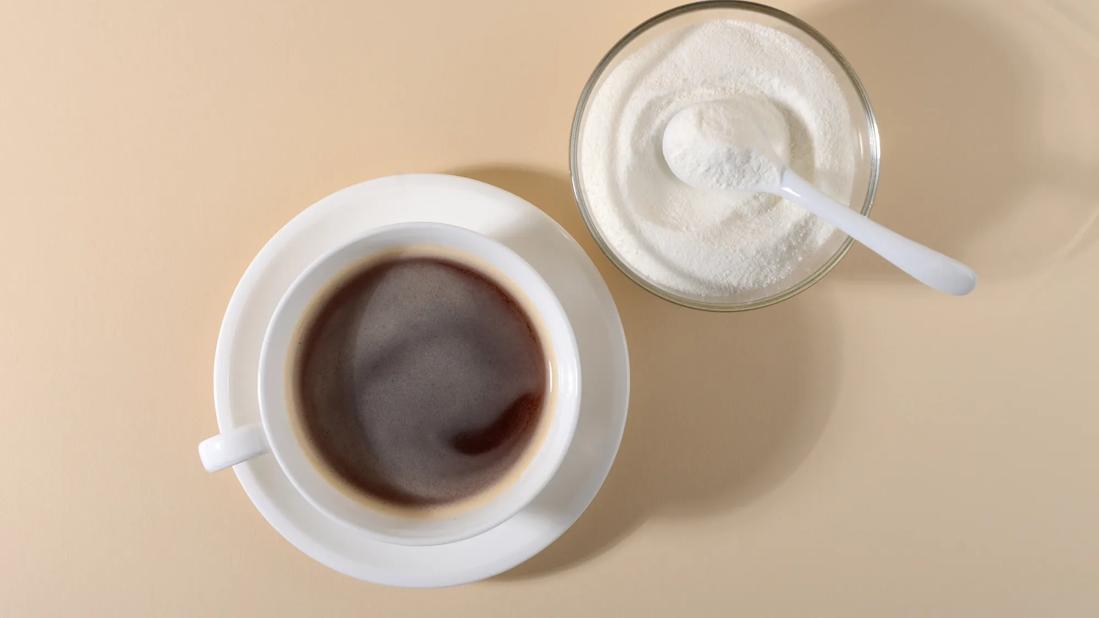
Image content: This image is available to view online.
View image online (https://assets.clevelandclinic.org/transform/900a301f-23cd-479f-992b-25a803bf5b65/collagen-1315237317)
Cup of coffee and bowl of collagen peptide powder with spoon
Collagen peptides are everywhere right now. They’re stirred into coffee, blended into smoothies and promoted as a way to support healthier skin, joints and muscles.
Advertisement
Cleveland Clinic is a non-profit academic medical center. Advertising on our site helps support our mission. We do not endorse non-Cleveland Clinic products or services. Policy
But what exactly are collagen peptides? And can a scoop of that powder really transform your body, as promised?
Registered dietitian Beth Czerwony, RD, LD, explains what collagen peptides are, the potential benefits and what to know before trying them.
“Collagen peptides are supplements that aim to help your body replace some of its lost collagen,” Czerwony explains.
Collagen is the most abundant protein in your body. In simple terms, it helps hold your body together by providing structure and support for your:
But as you get older, your body naturally starts producing less collagen. That decline begins as early as your 20s and continues over time.
“By age 40, you’re likely losing about 1% of your collagen each year,” Czerwony reports.
Collagen peptides — also called hydrolyzed collagen or collagen hydrolysate — are broken-down forms of collagen that are easy for your body to digest and absorb. They’re usually sold as powders or capsules and are commonly made from:
Research on collagen peptides is still evolving. And the results are often conflicting.
But some studies suggest they may offer benefits for your skin, joints and bones. Czerwony explains what collagen supplements may do for your body.
Advertisement
As you age and your collagen levels decline, your skin naturally becomes thinner, drier and less elastic. But some studies suggest collagen peptides may help keep your skin hydrated and more flexible, which could reduce the appearance of wrinkles over time.
“The idea is that they may help firm the skin and plump it up to keep you looking a little younger,” Czerwony says.
Still, they’re not a miracle cure for aging skin — and your results may vary.
Collagen also plays an important role in keeping your joints flexible and cushioned.
As collagen decreases, your risk of joint stiffness and osteoarthritis rises. Some research shows that collagen supplements may help reduce aches and pains in people with arthritis in their knees.
“Collagen peptides may help protect your ligaments and tendons,” Czerwony says. “So, they could be worth a try if you have arthritis pain or work out a lot.”
Your bones contain large amounts of collagen. And lower collagen levels may contribute to weaker bones over time.
Studies suggest collagen peptides may help support bone strength. That means they could play a role in preventing weakening bones and osteoporosis, especially in women who’ve gone through menopause.
Collagen also makes up part of your muscle tissue. And muscle strength is important for everyone, from young athletes to aging adults.
Researchers have found that collagen supplements may help:
Studies suggest that doses of collagen peptides between 2.5 and 15 grams per day are generally considered safe.
“More research is needed on the overall benefits of collagen peptides,” Czerwony clarifies. “But it’s well documented that they won’t harm you in proper doses.”
Still, there are a few things to keep in mind:
Advertisement
Collagen peptides probably won’t dramatically transform your appearance or erase joint pain overnight. But for many people, they may be a reasonable supplement to try.
“At worst, they may not work,” says Czerwony. “But if they do, all the better.”
Talk with a healthcare provider before starting any supplements. They can help you decide whether collagen peptides make sense for your health goals.
Advertisement

Sign up for our Health Essentials emails for expert guidance on nutrition, fitness, sleep, skin care and more.
Learn more about our editorial process.
Advertisement
Despite rumors, science hasn’t shown that creatine causes hair loss

This South Pacific plant is often promoted for stress relief and relaxation, but there are a few things you should know before trying it

The compound that gives chili peppers their kick may support your health — and even help relieve certain types of pain

This naturally occurring nutrient supports energy and heart health, but supplements aren’t necessary for everyone

They claim to boost energy and improve longevity, but there’s currently not enough research to confirm these benefits

Properly prepared, elderberries can be a safe and healthy part of a balanced diet — just steer clear of supplements
Science doesn’t support most claims about this bee byproduct, and supplements have potential risks
Until there’s more research on it, this plant’s greatest claim to fame is its deliciousness
Eyes typically increase to full size during two growth spurts in childhood
To start, opt for calorie-dense foods that are rich in protein and healthy fats

Pre-birth injections and monoclonal antibodies can help prevent serious complications
 Search