Locations:





Self-stimulating behaviors can help you self-regulate or cope with intense emotions

Image content: This image is available to view online.
View image online (https://assets.clevelandclinic.org/transform/06e11b03-cb76-4dea-b5ec-54a1062d5e23/child-twirls-hair-during-class-2196507828)
Child sitting at desk in classroom, twisting their hair, stimming
Do you click your pen in boring meetings? Play with your hair when you’re concentrating? Maybe you’re a habitual hummer or literally jump with joy when you’re excited.
Advertisement
Cleveland Clinic is a non-profit academic medical center. Advertising on our site helps support our mission. We do not endorse non-Cleveland Clinic products or services. Policy
These habits could be considered self-stimulatory behaviors, also known as stims. Developmental pediatrician Carrie Cuffman, MD, explains what stimming is, why people do it and when (if ever) it’s a problem.
“Stimming is a behavior where you repeatedly take an action or make a sound that helps you self-regulate,” Dr. Cuffman explains. “You do it, often without meaning to, because it helps you manage feelings like anxiety, excitement or overstimulation.”
While it’s often associated with autism spectrum disorder (ASD), attention-deficit/hyperactivity disorder (ADHD) and other neurodevelopmental conditions, most people stim from time to time. While they’re sometimes misunderstood, these activities are a form of self-soothing that anyone can benefit from and enjoy.
“Stimming is typically harmless,” she continues. “Think of it as another way to process what’s happening around you, good or bad. It doesn’t usually require any kind of medical management or intervention.”
In fact, recent research suggests that stimming has important social benefits for people with autism.
There are countless examples of self-stimulatory behavior, but here are some of the more common forms.
Auditory stimming involves making, listening to or seeking out sounds. That might look like humming, whistling or repeating certain words, phrases or noises.
Advertisement
Olfactory stims have to do with your sense of smell. They include sniffing different items around you, repeatedly smelling the same item or seeking out a specific scent.
Oral stimming involves using your mouth to get sensory input — think licking, chewing or mouthing objects, like a pencil or your shirt, or seeking out items with specific textures. Gustatory stims are specifically related to taste. You may, for example, seek out a specific food or flavor.
Tactile stims are repeated actions that involve touch, such as hair twirling, skin rubbing, tapping or stroking objects. You may also go out of your way to find — or take comfort in — specific textures.
Visual stimming is sight-related — meaning it deals with both how you use your eyes and the things you look at. Blinking and rolling your eyes both count as visual stims. So does lining things up or fixating on moving objects like a fan or a lava lamp.
Some stimming involves moving your body. Vestibular stimulation may take the form of rocking, spinning, hand-flapping, pacing and more.
While most stimming is harmless — or even helpful — it can become disruptive or dangerous in certain situations, for certain people.
“Sometimes, people who engage in extremely high rates of stimming struggle to attend to or focus on anything else,” Dr. Cuffman says. “That can cause problems at work or school.”
Stimming becomes a safety concern when someone is so fixated on the behavior that they wander or unintentionally enter dangerous situations, such as stepping into a busy street.
And some stimming behaviors are literally harmful, like head-hitting, skin-picking and biting.
If you’re a caregiver for someone whose self-stimulatory behavior puts themself or others at risk, Dr. Cuffman advises reaching out to a professional for help, like:
Common strategies for addressing harmful stimming behavior include:
Advertisement
In rarer or more extreme cases, Dr. Cuffman says protective equipment may be an option.
Stimming is a natural and important tool for coping with stressful situations, intense emotions and overstimulation. Most of the time, it’s healthy, safe and should be respected, not corrected.
“Many people within the autism community are passionate about stimming, and they emphasize that awareness and acceptance are key,” Dr. Cuffman shares.
If your or your loved one’s stimming behaviors are disruptive or dangerous, reach out to a provider for support. They can help you find healthy alternatives that will meet your needs.
Advertisement

Sign up for our Health Essentials emails for expert guidance on nutrition, fitness, sleep, skin care and more.
Learn more about our editorial process.
Advertisement

Mood stabilizers promote long-term mood stability, while antipsychotic medications work faster to manage acute episodes

Different medications can help manage different aspects of this condition

Fishing for compliments, provoking conflict and pouring on the melodrama are all ways of expressing an unmet need

By setting boundaries around how much you give, you can save your time and resources while also being a good person
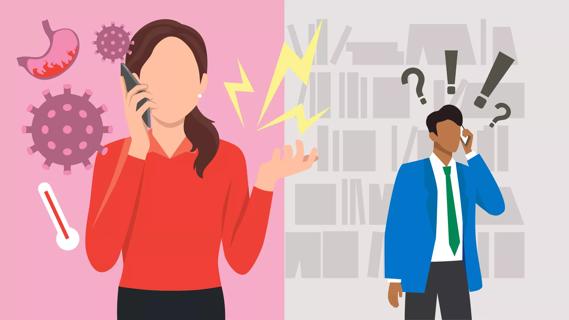
Whether it’s playing hooky or faking cancer, malingering behavior is always motivated by personal gain

Causes range from psychological conditions like PTSD to physical conditions like fibromyalgia

Always putting others’ happiness before your own can build resentment over time
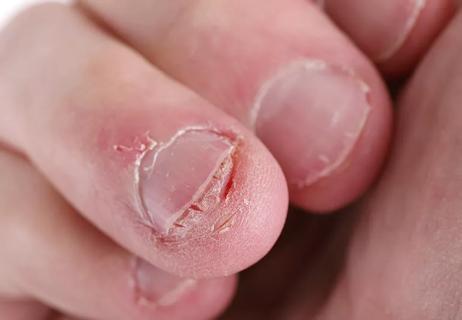
A combination of treatments can help you conquer the compulsion
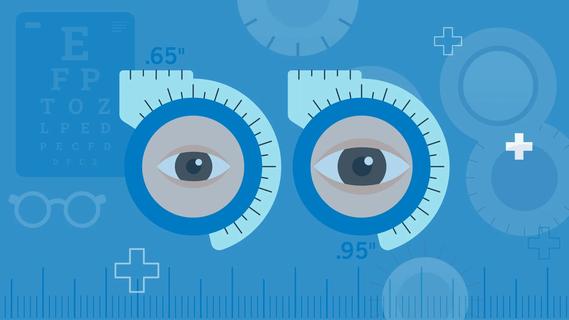
Eyes typically increase to full size during two growth spurts in childhood

To start, opt for calorie-dense foods that are rich in protein and healthy fats

Pre-birth injections and monoclonal antibodies can help prevent serious complications
 Search










