Locations:





If a small frustration leads to a big emotional reaction, built-up stress may be to blame
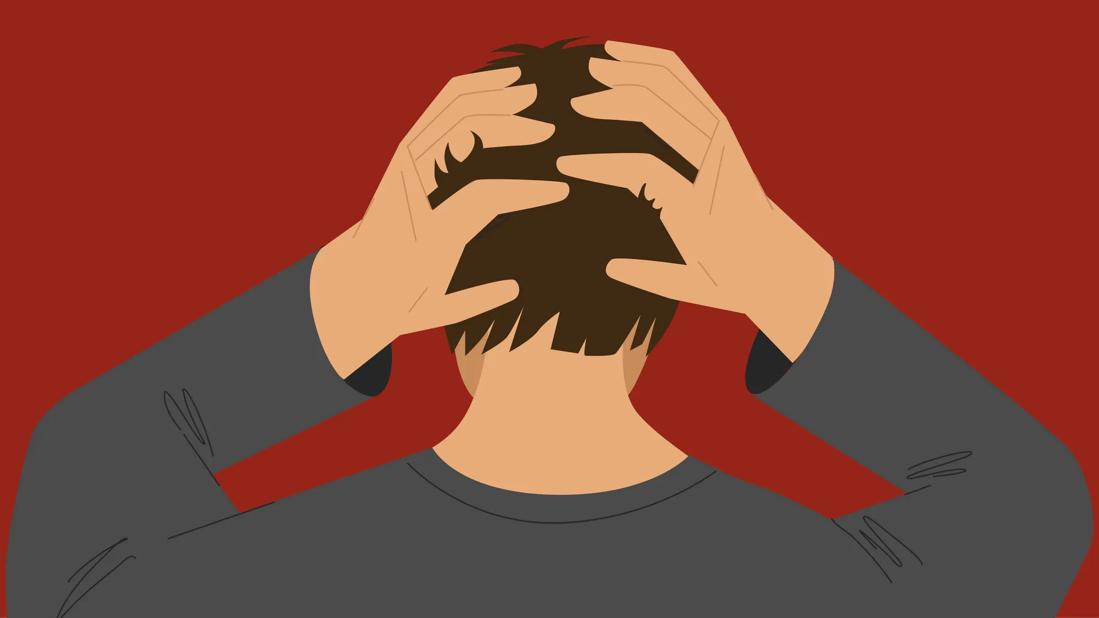
Image content: This image is available to view online.
View image online (https://assets.clevelandclinic.org/transform/7fb8986c-25fc-470b-ad06-800aa3d375d7/crashing-out-2279198264)
Person running their hands through their head in anger
Bad days happen. Traffic jams, rude customers and minor inconveniences can come out of nowhere and test anyone’s patience. But if a small frustration triggers a full-blown emotional meltdown, you may be crashing out.
Advertisement
Cleveland Clinic is a non-profit academic medical center. Advertising on our site helps support our mission. We do not endorse non-Cleveland Clinic products or services. Policy
Psychologist Chivonna Childs, PhD, explains what causes a crash out and how to prevent it from affecting your relationships, work and reputation.
A “crash out” is a slang term for what happens when stress, frustration or other difficult emotions boil over into an intense emotional outburst or impulsive reaction. Instead of taking a step back, you lash out, make a rash decision or otherwise react in a way you might later regret.
Years ago, people used “crash out” to describe falling asleep after extreme exhaustion. Today, thanks to social media, the phrase has taken on a new meaning.
“Crash outs can happen at any time or any place,” says Dr. Childs. “Something big or small happens, and you let everyone see just how upset you are.”
It’s more than just feeling annoyed or having a bad day. It’s screaming at the waiter or flipping a table when they get your order wrong. It’s quitting your job without any backup plan. Or it’s snapping at someone you love when they ask you a simple question.
“Back in the day, before we called it crashing out, we said we were ‘losing it’,” explains Dr. Childs. “Something that may seem small to other people feels like a big deal for you. It makes everything worse and you just let it out without thinking about the consequences.”
Advertisement
Dr. Childs also notes that it’s not the same as having psychosis — what people tend to call a ‘psychotic break.’
“A psychotic break involves seeing or hearing things that aren’t there,” she clarifies. “Crashing out is more about being so overwhelmed and stressed that your nervous system feels like it can’t take any more.”
Signs you’re crashing out can include:
It may even cause sudden physical symptoms, like:
With a crash out, there’s usually more going on behind the scenes than whatever triggered it. Often, emotions have been building beneath the surface for days, weeks or even months.
“We bottle things up. We let stress pile up. People treat us badly and we push it down and keep going until we’ve absolutely had it,” describes Dr. Childs. “Then, what should be a small thing becomes the last straw.”
Often, crash outs happen because of several factors:
Over time, anger can become the default emotion, making it harder to think clearly or act rationally.
“Rage isn’t really rational,” clarifies Dr. Childs. “When you’re raging out, you don’t care in the moment what happens or how it’s going to affect other people. You scream, you cry, you throw things and break things. And that impulsivity can damage relationships if we’re not careful.”
Improving your awareness is key to recovering from a crash out.
“If you’re aware that you’re crashing out, then you can also have the wherewithal to tell yourself to calm down, step back from the situation and take deep breaths,” notes Dr. Childs.
If you’re in the middle of a crash out, or you feel it’s about to happen, try to:
“The goal is to help your nervous system calm down so that you can think with a clearer head,” says Dr. Childs.
Advertisement
When you’re ready, some self-reflection can help. Ask yourself:
“Look at what caused the crash out and really think about everything that you felt and did,” she recommends. “The next time those emotions come up, you’ll be able to recognize them sooner and respond to them quicker in a more manageable way.”
Nobody manages stress perfectly. But there are ways to reduce your chances of crashing out — and the more you work on it, the easier it can be to prevent it.
Here’s what Dr. Childs recommends for preventing future crash outs:
And if it continues, it may be time to seek professional support.
“If it’s happening often and impacting your life, a licensed therapist can help you process what’s happening and help you dig through whatever’s causing it,” advises Dr. Childs. “When we have a trusted person we can talk to, when we name our emotions, sit with them, breathe and experience what’s happening, it can be a lot easier to manage it.”
Advertisement
Everyone reaches their breaking point. But crashing out doesn’t have to be your default response when life gets tough.
“Three-year-olds crash out all the time over small things, but there are healthier ways to manage what you’re feeling without hurting yourself or others,” encourages Dr. Childs. “It’s OK to scream when you’re frustrated. Roll up your car window and let it out. But then ask yourself how you can move forward in a better way.”
Advertisement

Sign up for our Health Essentials emails for expert guidance on nutrition, fitness, sleep, skin care and more.
Learn more about our editorial process.
Advertisement

Going numb may be your brain’s way of protecting you from trauma, depression, anxiety and overwhelm

Start from the center ring and work your way out to more defined, specific emotions

You can subconsciously adopt the emotions and behaviors of others

Be patient and try at-home remedies like applying a cold compress and elevating your head while sleeping

The more developed your EQ, the more in touch you are with your feelings, as well as with others’

Strengthening your EQ involves reflection, accountability and practice

The end of a romantic relationship can bring a sense of disbelief and intense emotions like anger and depression

Feeling unable to manage your emotions can go hand in hand with other symptoms of ADHD

Managing your weight through physical activity may lower your chances of getting this common cancer

It typically starts in October and winds down in early spring, with cases at their highest in the middle of winter

Anxiety disorders, health conditions and past trauma can make driving nerve-wracking — help is available
 Search










