Locations:





 Search
It's a simple protein, but you still need it in moderation.
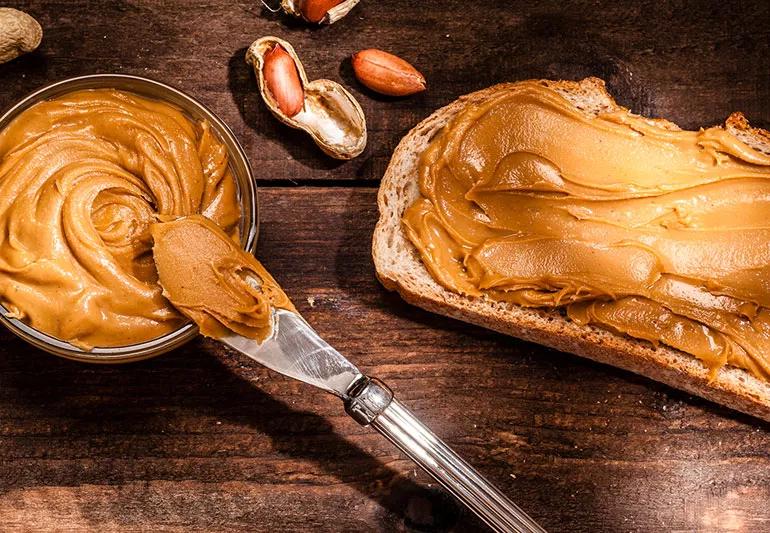
Image content: This image is available to view online.
View image online (https://assets.clevelandclinic.org/transform/931601a9-3dfc-475f-9a1c-c08f098d069b/peanutButterChol-816233402-770x533-1_jpg)
peanut butter on wheat bread
Peanut butter is one of the hallmarks of comfort food, from peanut butter and jelly sandwiches in school to peanut butter flavor and content in every baked good imaginable. It’s the perfect mix of salty and sweet for snacks.
Advertisement
Cleveland Clinic is a non-profit academic medical center. Advertising on our site helps support our mission. We do not endorse non-Cleveland Clinic products or services. Policy
But how healthy is peanut butter and, despite our love for it, is there really such a thing as too much?
Sadly, peanut butter isn’t very good for you — at least in the amounts that we’re used to consuming. Peanut butter contains protein, good monounsaturated and polyunsaturated fats and contains the powerful antioxidant vitamin E, bone-building magnesium, potassium and vitamin B6.
The problem is that many of us are eating way too much. Whether it’s slathering it all over bread or eating it by the spoonful, peanut butter is definitely a snack food we’re overdoing.
It’s that lack of moderation, those large amounts, that can have a negative impact on our health, according to cardiologist Dennis Bruemmer, MD, PhD. And we spoke with him in more detail about peanut butter and whether it’s something you can ever enjoy without worry.
Dr. Bruemmer says there’s no real cholesterol content in a peanut butter and jelly sandwich so, again, peanut butter in moderation is okay. “A little bit of peanut butter isn’t the worst thing,” he adds.
But while that may bring you a sigh of relief, it doesn’t mean that there aren’t other aspects of the snack spread that make it unhealthy, especially in larger amounts.
Advertisement
“Most people don’t consume just a little bit, though,” he continues. “For many people, they’ll take a spoon and suddenly half the jar is gone. A two-tablespoon serving of peanut butter has a couple of grams of saturated fats but when you eat half the jar, that becomes an issue.”
“Peanut butter does typically have a good amount of both saturated and unsaturated fats. It’s highly dense with salt and it’s high in calories,” he adds, “and I think the calories and sugar would be more of what I would be concerned about.” Major store-bought brands can also contain hydrogenated oil or palm oil, molasses and high fructose corn syrup.
In fact, the average store-bought brand of peanut butter, both creamy and chunky styles, contains around 190 to 200 calories per serving, which is only 2 tablespoons. It doesn’t take long for that to add up by the spoonful.
One issue when it comes to kids, Dr. Bruemmer adds, is how too much peanut butter could help contribute to childhood obesity. Around 70% of American adults are either have overweight or obesity, according to the CDC, and one in five kids in the United States has prediabetes.
“Both the amount of food and the types of food being consumed by kids is concerning. It’s a lot of ultra-processed food being consumed,” he says.
There are alternatives, like almond butter and nutella, that you could use instead of peanut butter. But are those really any healthier than peanut butter? Dr. Bruemmer says no.
“I don’t think nutella is healthier than peanut butter,” he says. As for other alternatives, like almond butter or reduced fat peanut butter, you’re simply replacing one component (peanut butter) with something that has only marginally less saturated fats, sugar or salt.
With low-fat peanut butter, too, the calories are the same or higher, thanks to the extra ingredients ― usually sugar ― that manufacturers add to improve the taste after taking out the fat.
“If the primary goal is to lower your cholesterol, I think the primary concern should be to decrease saturated fat content. Meats, butter, cheese, they’re high in saturated fats,” he says. “Cutting down on those, including peanut butter, should be the ultimate goal in bringing that down.”
You can also consider natural peanut butter, says registered dietitian Julia Zumpano, with nothing else but peanuts on the label’s ingredients list; you can always add a little salt to taste yourself. Avoid brands with added sugars, fats, salt, preservatives and chocolate. And be sure to read the ingredients list to make sure that “natural” peanut butter isn’t also trying to sneak in other additives.
Advertisement
Natural peanut butter brands have about half as much sugar as traditional peanut butter and the natural, healthy monosaturated fat helps you to feel satisfied and full.
Advertisement
Sign up for our Health Essentials emails for expert guidance on nutrition, fitness, sleep, skin care and more.
Learn more about our editorial process.
Advertisement

High cholesterol can be genetic, but testing and treatment can lower your heart disease risk
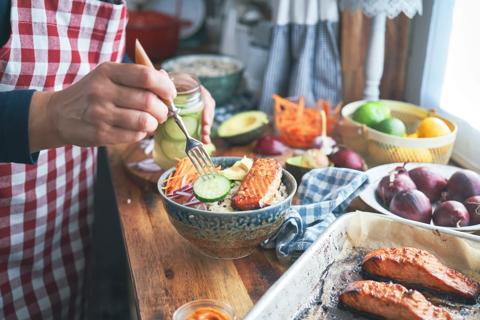
Limiting saturated fat, upping your fiber intake and moving around more can help reduce your ‘bad’ cholesterol
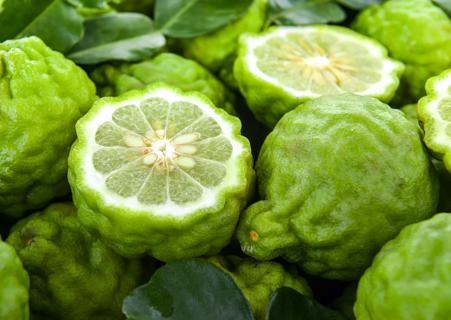
There isn’t enough research to recommend the supplement as a solution for lowering LDL levels
You may notice a decrease in your LDL ‘bad’ cholesterol in about four weeks
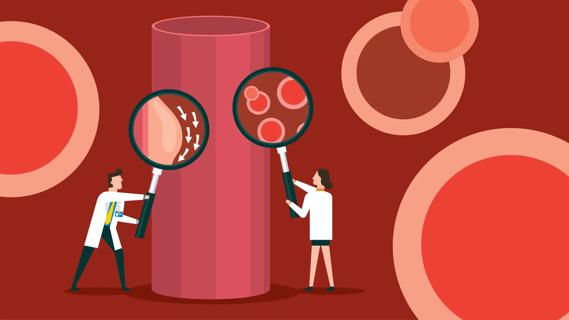
In the world of cholesterol, HDL particles are ‘good’ and LDL particles are ‘bad’ for your heart health

Medications known as statins can lower cholesterol levels to minimize the risk of blocked arteries
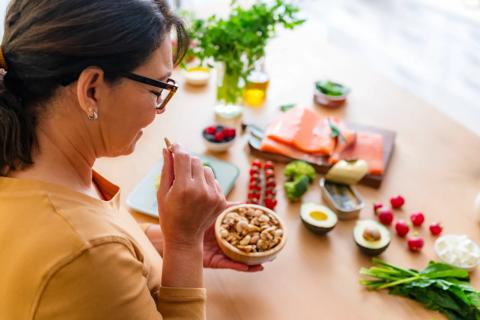
Fatty fish, flaxseed, extra virgin olive oil and nuts may help raise your HDL number
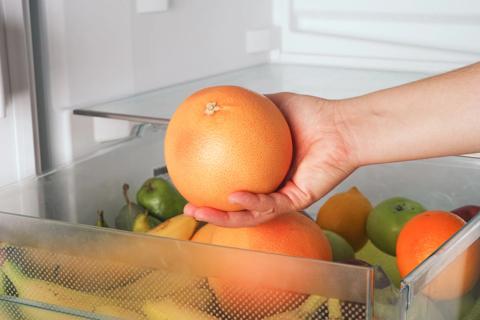
Grapefruit contains natural chemical compounds that can interfere with certain medications when it’s consumed in large amounts
Although it could be used as a moisturizer, this new trend is not recommended

Communicating clear limits helps protect your time, energy and emotional well-being
High cholesterol can be genetic, but testing and treatment can lower your heart disease risk











