Locations:





Take the proper precautions to protect yourself
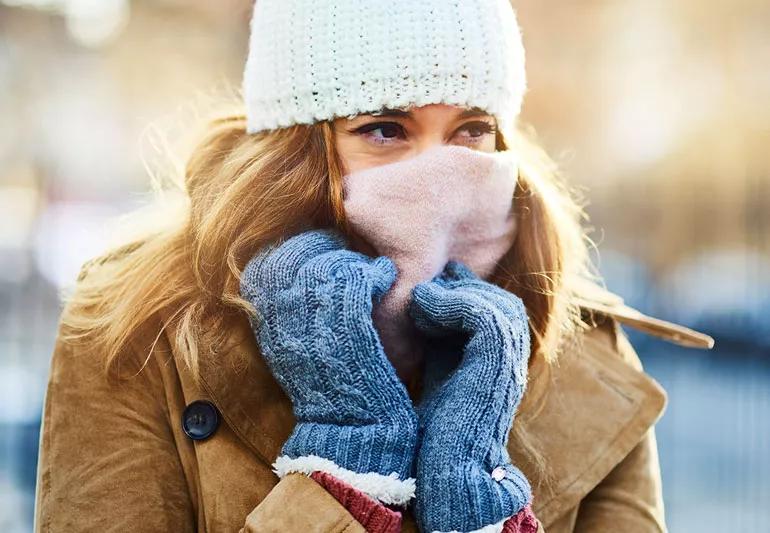
Image content: This image is available to view online.
View image online (https://assets.clevelandclinic.org/transform/d93689b8-0265-4c3d-8500-67e91dda145c/wmnDressedSnow-163354487-770x553_jpg)
A person dressed for the cold weather in hat, scarf over face, gloves and coat
We know to guard our skin against frostbite by covering up when we go outside in sub-freezing temperatures.
Advertisement
Cleveland Clinic is a non-profit academic medical center. Advertising on our site helps support our mission. We do not endorse non-Cleveland Clinic products or services. Policy
But extreme cold also can impact vital organs, such as the heart and lungs. For example, cold can make your heart beat faster, which makes your blood pressure go up, says interventional cardiologist Leslie Cho, MD.
“It’s really how the body reacts to the cold,” Dr. Cho says. “The body’s first reaction is to try to keep warm. So blood vessels constrict to keep in the heat. The heart also beats faster, which can increase blood pressure. All of that can have an impact on the heart.”
A severe wind chill only makes things harder on your heart because the wind can steal even more body heat, which could lead to hypothermia, Dr. Cho says.
Hypothermia is when your body’s core temperature falls to lower than 95 degrees. It occurs when your body can’t produce enough energy to keep the internal body temperature warm enough. Symptoms include lack of coordination, mental confusion, slowed reactions, shivering and sleepiness.
For people with underlying heart disease, the extra work your body has to do to stay warm could cause chest pain and possibly even a heart attack, Dr. Cho says.
If this is you, be sure to discuss exercise guidelines with your physician, especially strenuous activity, she adds.
Advertisement
But even experienced winter sports enthusiasts who don’t take certain precautions can suffer accidental hypothermia. Heart failure is the cause of most hypothermia-related deaths, according to the American Heart Association.
Your heart is under even greater stress when you combine cold weather with a vigorous activity like shoveling snow or walking through heavy, wet snow or snow drifts. Take frequent rest breaks during shoveling so you don’t overstress your heart.
You should treat this type of strenuous work as you would vigorous exercise.
So it’s important to stay well hydrated by drinking fluids and to dress warmly, she says.
Cold air also can impact your breathing – especially if you have a lung disease like asthma or chronic obstructive pulmonary disease (COPD).
For people with COPD, cold air can trigger spasms in the lung, creating symptoms similar to an asthma attack, says pulmonologist Rachel Taliercio, DO.
“You might be more breathless, or feel out of breath, you might cough or start to wheeze. You also may feel a bit of tightness in the chest,” Dr. Taliercio says. “All of these can be signs that you should get indoors.”
Both doctors agree it’s important to dress warmly when the mercury drops and that layers are a good way to insulate your body. The layers trap warm air next to your body.
It’s also a good idea to wear a hat so heat doesn’t escape through your head. Cover your nose and mouth with a scarf so the air is warm before it enters your lungs.
Advertisement

Sign up for our Health Essentials emails for expert guidance on nutrition, fitness, sleep, skin care and more.
Learn more about our editorial process.
Advertisement
Moisturizing, running a humidifier and adjusting your shower routine may help keep itchiness and irritation at bay
Dressing in multiple layers, drinking warm liquids and taking breaks indoors can help prevent these cold-weather injuries
Exerting yourself in cold temperatures increases your risk of a cardiac event
Used correctly, a humidifier can help with nose bleeds, allergies, dry skin, sleep quality and more
Stretch before heading outside, keep proper form and avoid jerking or twisting to throw snow

If the flakes are undisturbed, pristine white and come from the top layer, it’s typically safe to indulge in a scoop

A cold one out in the cold can cause a false sense of warmth and increase your risk of hypothermia
Indoor allergens know no season!
Rapid weight loss can cause loose skin, facial volume loss and body contour changes
Swallowing too much air, certain foods and drinks, and digestive conditions can all make you belch more
From poor hand hygiene and ventilation issues to contaminated food, many factors can make infectious diseases spread quickly
 Search










